News
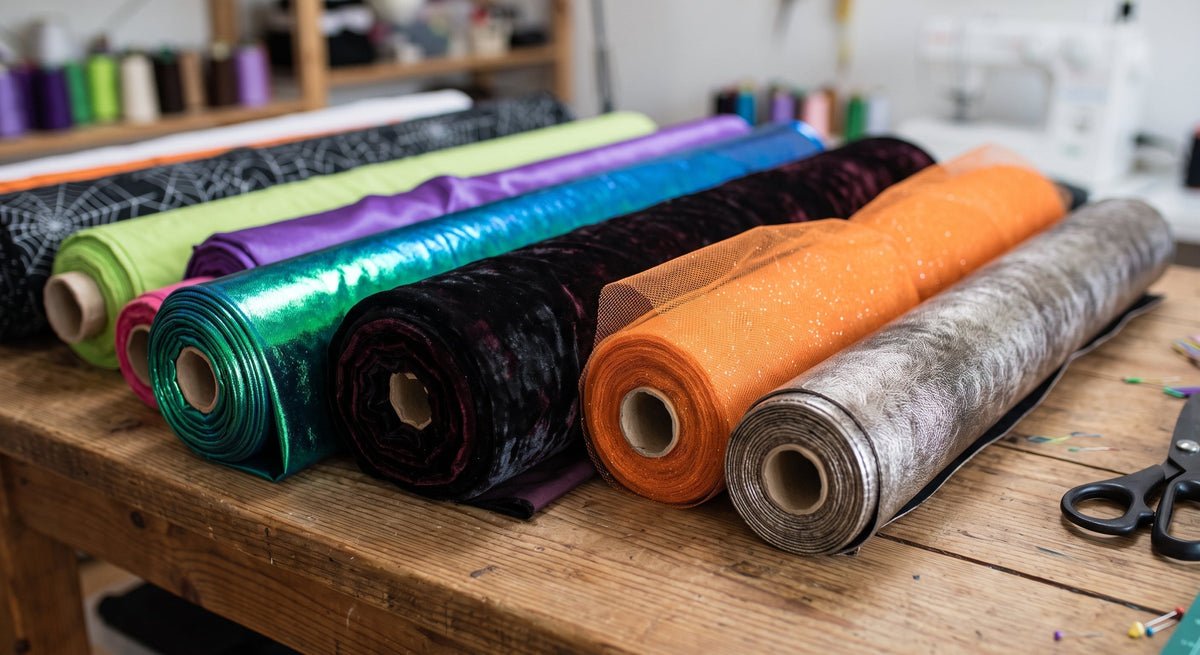
The Ultimate Guide to Halloween & Cosplay Fabrics for Your Next Costume
Building the perfect Halloween or cosplay outfit is an art, and every great artist needs the right canvas. By matching your character's vibe to the right fabric—whether it’s the rugged edge of faux leather, the eerie elegance of velvet, or the heroic stretch of spandex—you elevate your costume from a basic store-bought look to a custom masterpiece. Remember to consider comfort, stretch, and breathability before making your final cuts. Happy sewing, and stay spooky!
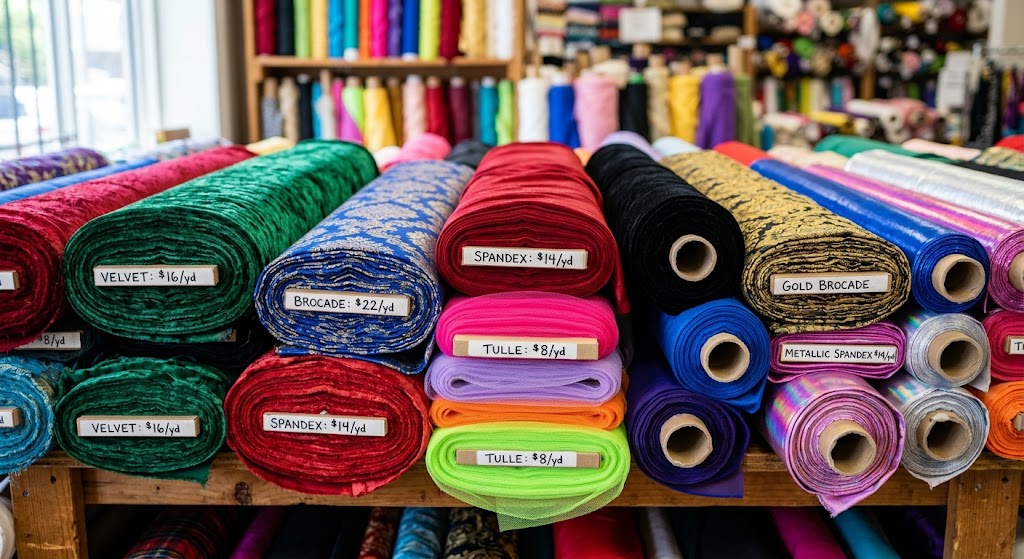
The Ultimate Guide to Costume and Cosplay Fabrics: What to Choose for Your Next Build
Choosing the right cosplay fabric is an art form in itself. By matching the fabric's weight, stretch, and texture to your character's design, you elevate your costume from a simple Halloween outfit to a true masterpiece. Always remember to check if you need 2-way or 4-way stretch, prioritize your comfort and breathability for long convention days, and don't be afraid to mix textures for a more realistic, dynamic look.
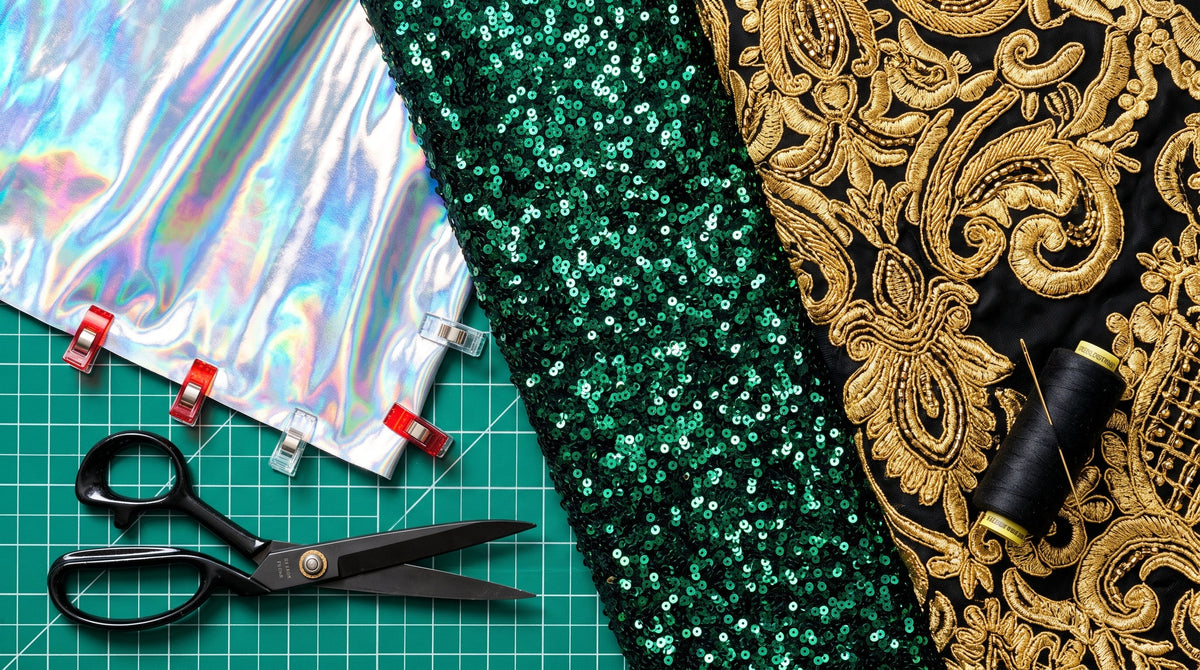
Specialty Fabric Maintenance: A Cosplayer’s Guide to Foils, Sequins, and Embroidery
Working with specialty performance textiles like foils, sequins, and embroidered fabrics elevates a cosplay from good to breathtaking. While they demand a higher level of patience and specialized handling during cutting, sewing, and washing, the final visual impact is undeniably worth the effort. By treating these materials with care, utilizing the correct tools, and committing to gentle, heat-free maintenance, you ensure that your intricate creations remain stunning and structurally sound for countless conventions to come.
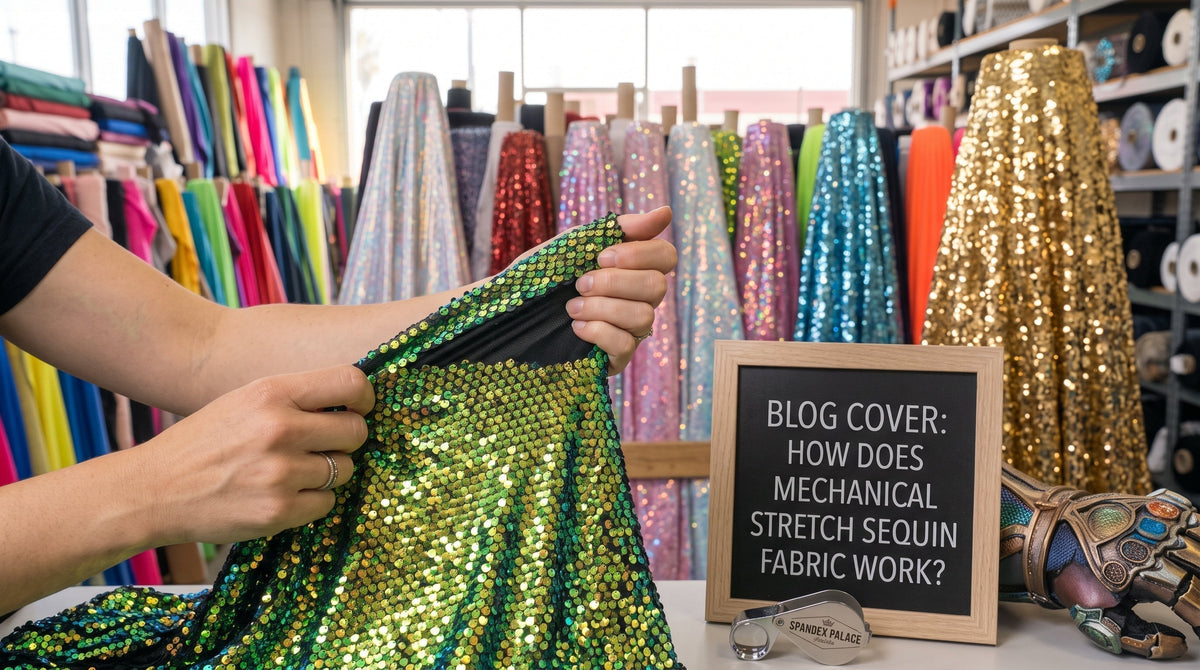
What is Mechanical Stretch Sequin Fabric, and How Does It Move?
f you are building professional dancewear, aquatic cosplays, or high-performance stage costumes, standard woven sequins will restrict your mobility and snap under tension. To achieve a skin-tight fit with a full range of motion, you need mechanical stretch sequin fabric.
The secret lies entirely in the base layer. Sequins themselves are rigid discs that cannot stretch. Instead of being sewn onto stiff taffeta or non-stretch mesh, mechanical stretch sequins are stitched onto a specialized knit base—often a high-quality spandex blend. When the wearer moves, the underlying knit matrix expands across a 4-way stretch axis (horizontally and vertically). The sequins are strategically stitched in overlapping patterns that allow them to slide apart slightly as the base stretches, preventing the structural threads from breaking.
The most critical factor for an expert build is the fabric's recovery—its ability to snap back to its original shape without bagging out at the knees or elbows. Sourcing premium materials guarantees your garment maintains its structural integrity and brilliant shine through rigorous performances. Established in Los Angeles in 1992, Spandex Palace—the retail division of Payman Fabrics—provides the professional-grade mechanical stretch sequins that builders trust for dynamic, high-stress designs.
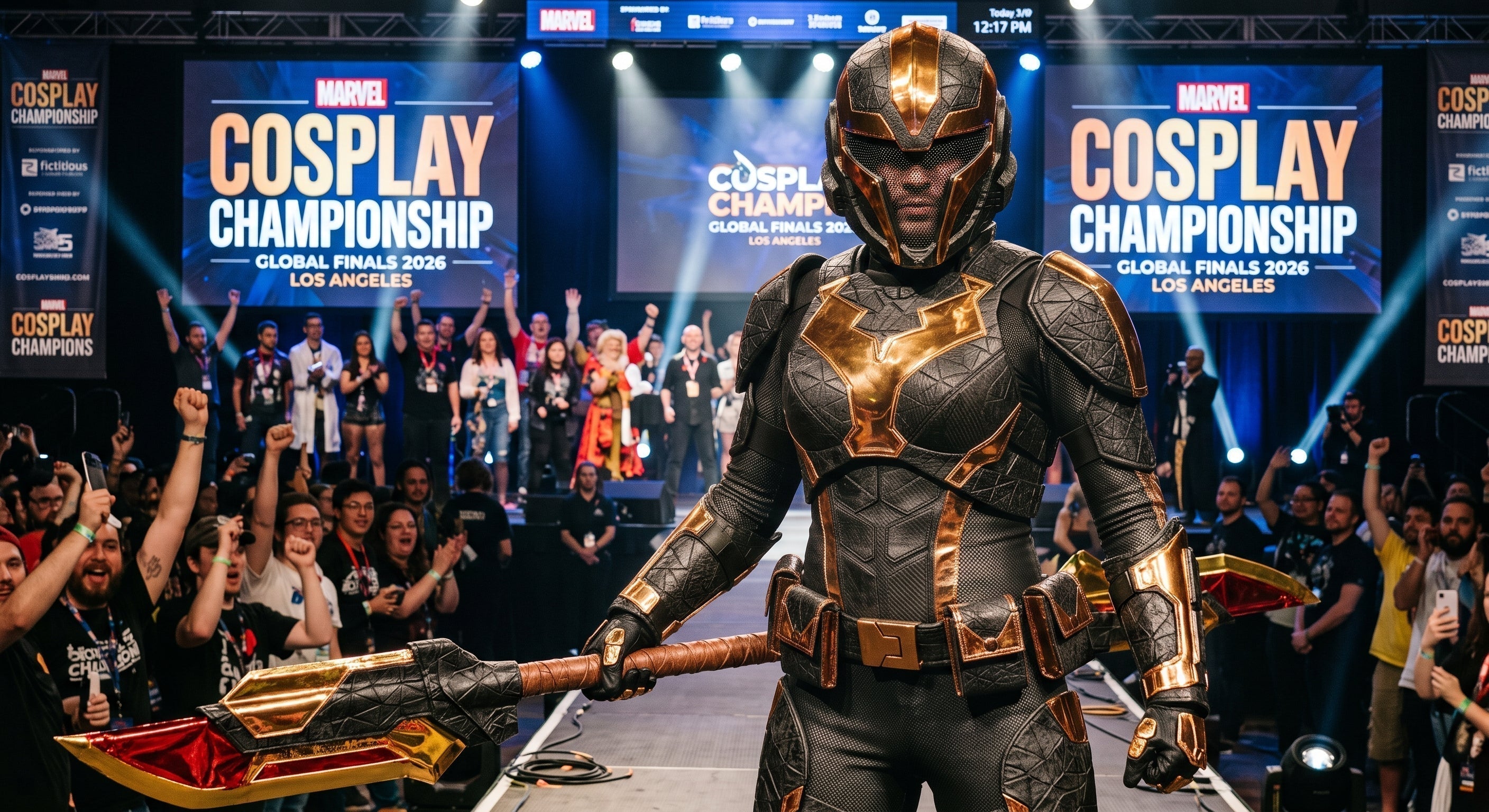
The Best Fabrics for Cosplay Armor and Props: A Complete Guide
Level up your next build with our ultimate guide to choosing the perfect materials for cosplay armor and props. Whether you are covering EVA foam or constructing structured accessories, this post breaks down the best textiles to achieve a realistic, heavy-duty look without the actual weight. Discover how to utilize materials like non-stretch 3D poly spandex faux leather, metallic foils, and holograms to bring your character to life. Plus, get top material recommendations directly from Spandex Palace, where we've been outfitting Los Angeles costumers and designers since 1992.

A Complete Guide to Fabrics for Mermaids, Aliens, and Fantasy Costumes
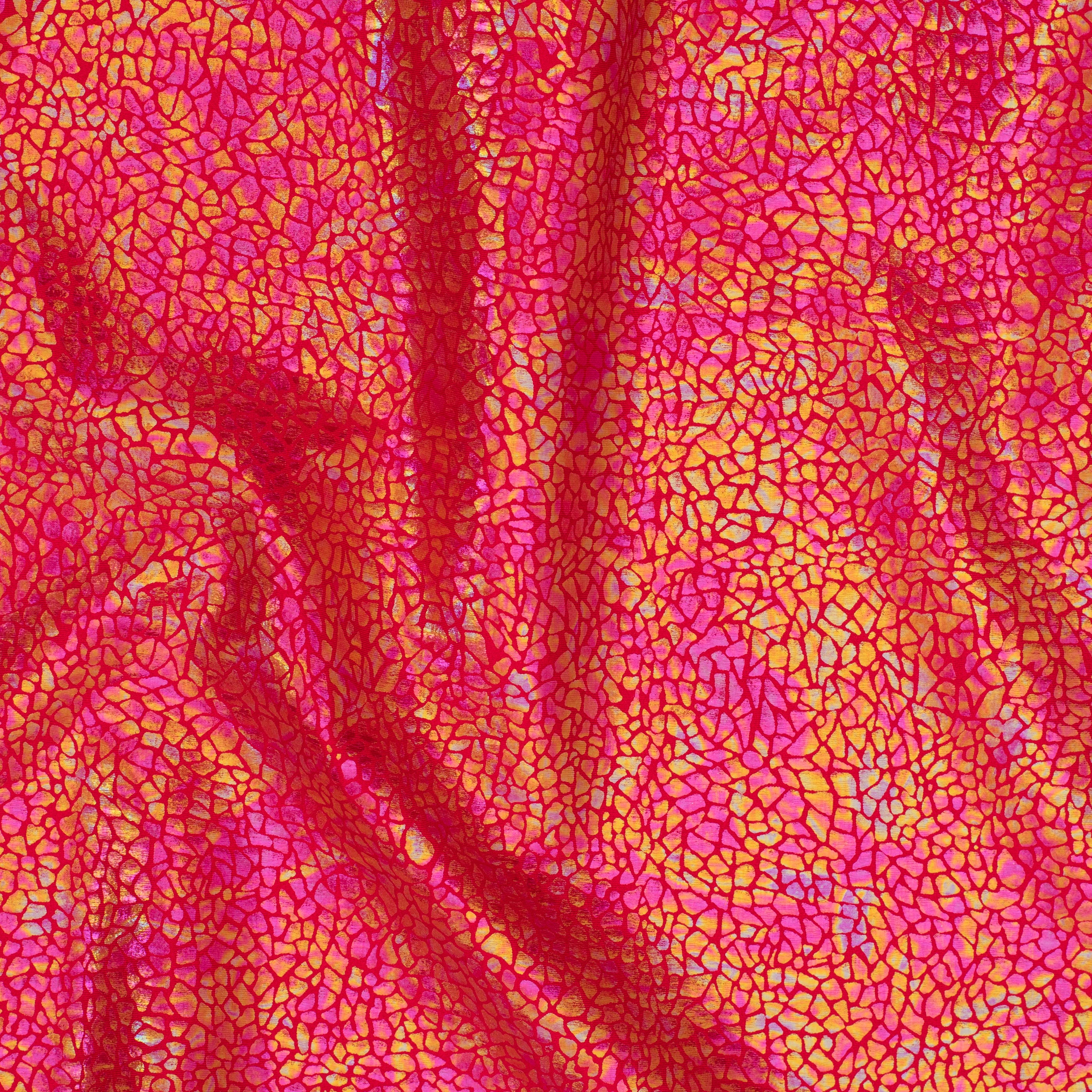
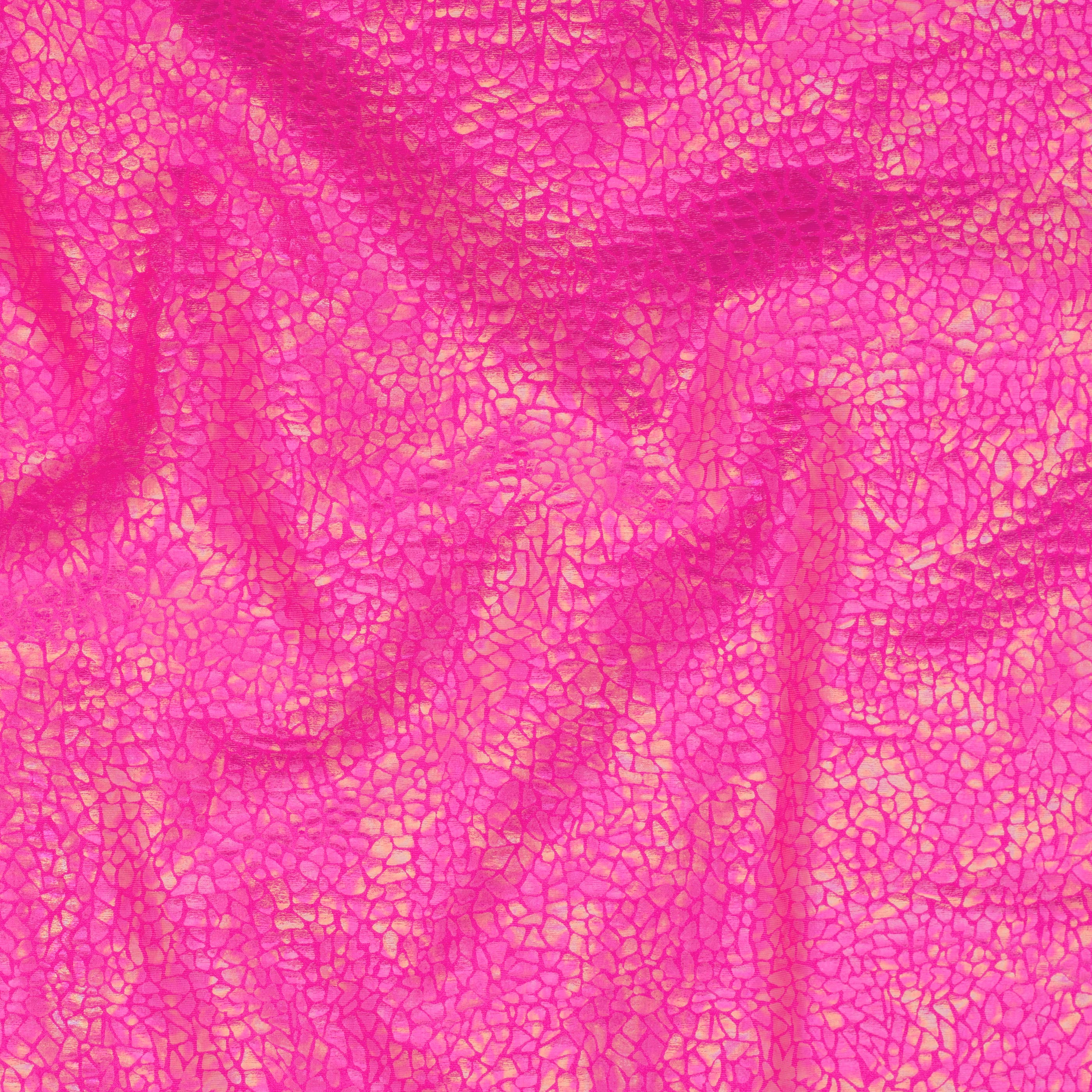
Designing a fantasy creature requires specialized textiles that manipulate light and mimic otherworldly textures. Discover the best materials for your next aquatic or sci-fi build, from high-shine holographic spandex and multi-foil prints for mermaid tails to rugged, non-stretch 3D faux leather for alien armor.
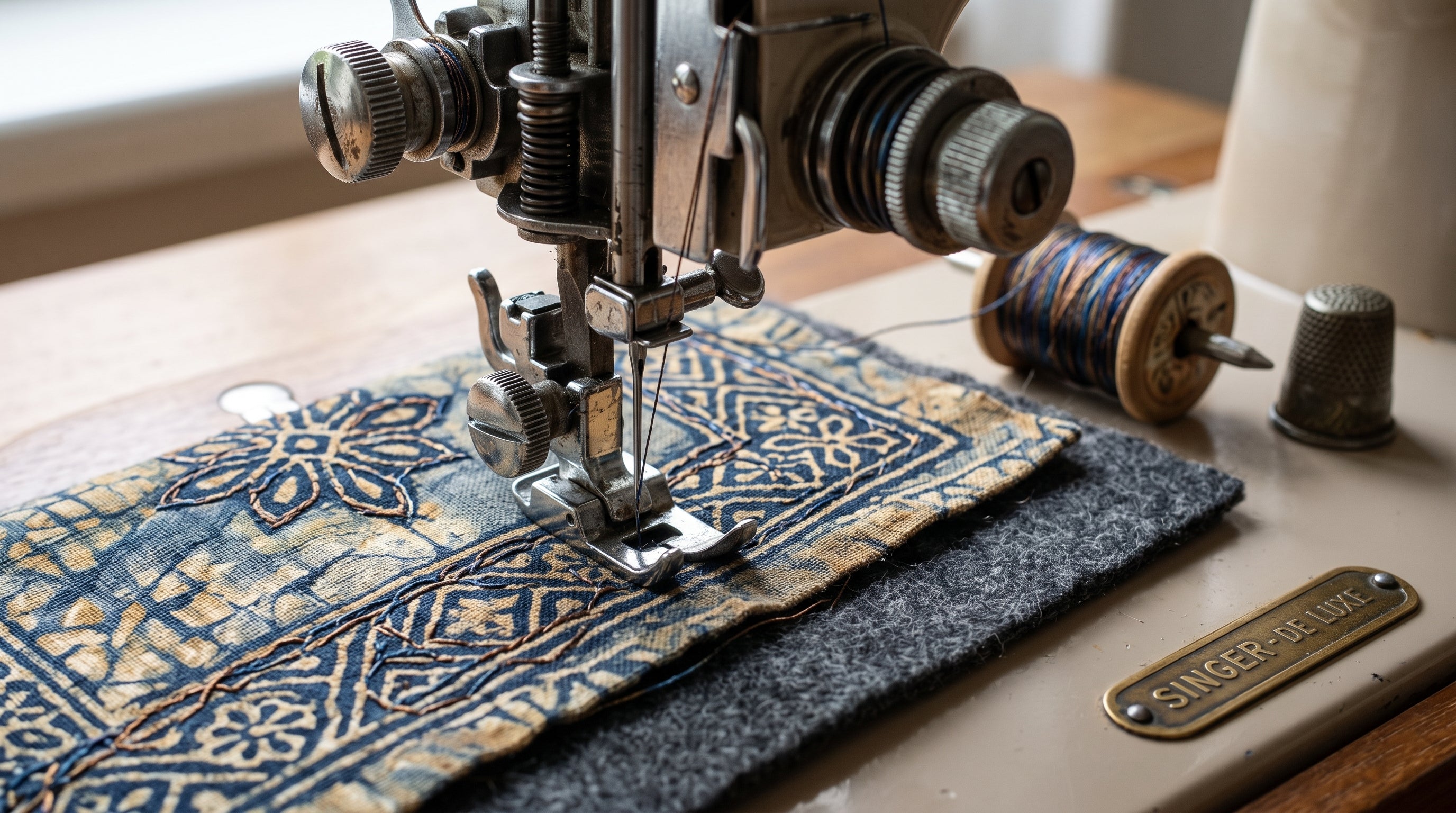
Why is My Sewing Machine Eating My Spandex? (The Fabric-Sucking Problem)
Is your sewing machine eating your spandex? Discover the hidden reasons why your machine swallows stretch fabrics, and learn 4 professional tricks—including the ultimate tissue paper hack—to sew your next project smoothly and jam-free.
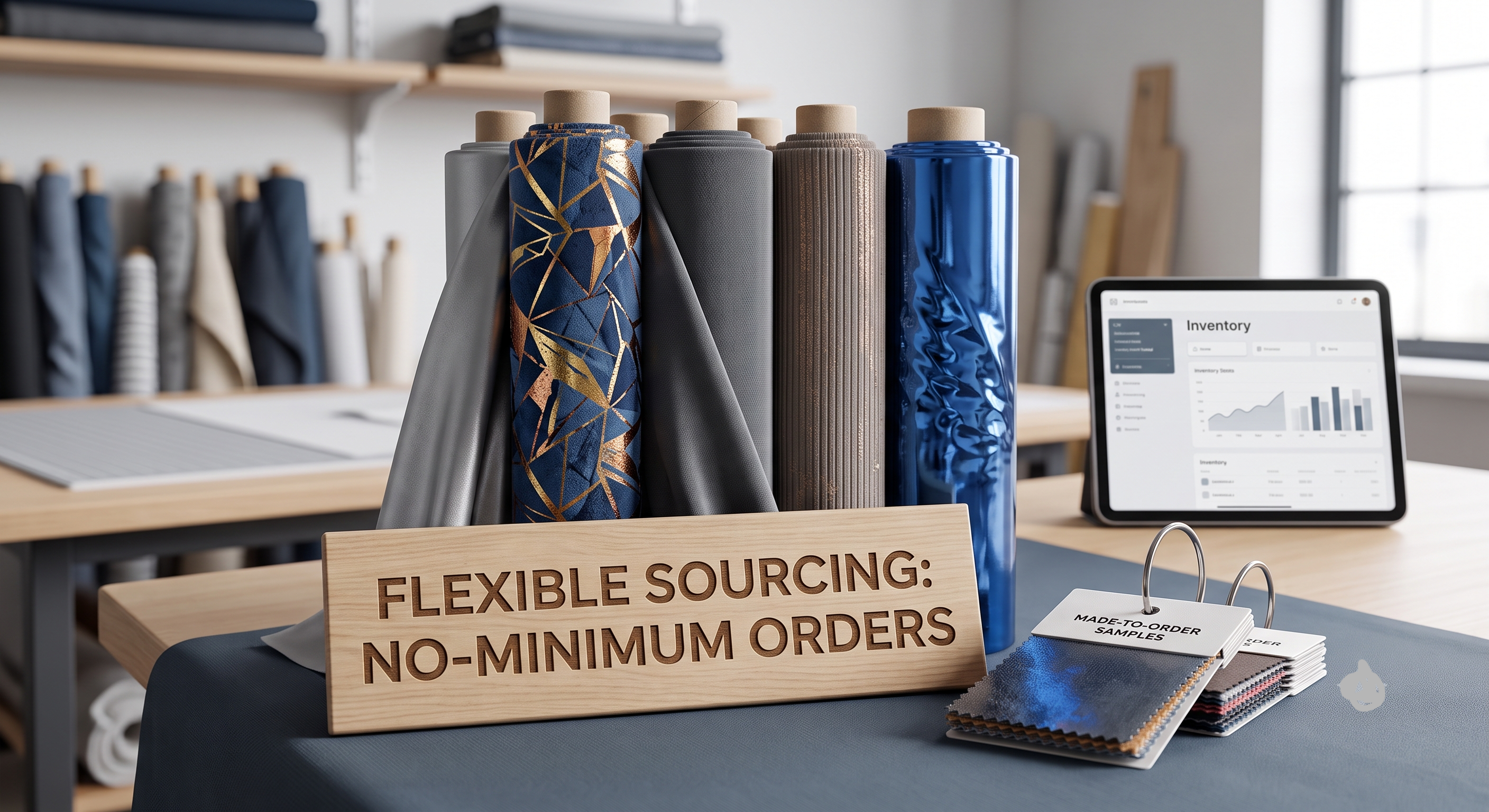
Starting Small: How to Buy Fabric Without Stressful MOQ Limits
Executive Summary & Key Takeaways
-
The MOQ Barrier: Traditional 500+ yard minimums force made-to-order brands into inventory risk and excess overhead.
-
Agile Sourcing Solutions: Made-to-order brands can bypass high MOQs by partnering with in-stock wholesale distributors, utilizing designer deadstock for limited drops, or leveraging low-MOQ digital sourcing platforms.
-
Prioritize Continuity: For permanent MTO collections, always verify that low-minimum fabrics are part of a re-orderable open line with stable colorways and consistent GSM weights.
-
Strategic Growth: Begin with 1-to-5-yard sample cuts for prototype validation, then transition to single-roll wholesale purchasing as your on-demand order volume increases.
Partner With Spandex Palace for Low-Minimum & Agile Sourcing
When your made-to-order brand requires flexible sourcing without sacrificing commercial-grade quality, partner with Spandex Palace. Operating in the Los Angeles fashion district since 1992, Spandex Palace offers extensive, in-stock collections of performance stretch fabrics, specialty velvets, power meshes, and novelty knits—providing flexible cut yardage, low minimums, and rapid turnaround times to support your production calendar from initial swatch to final stitch.