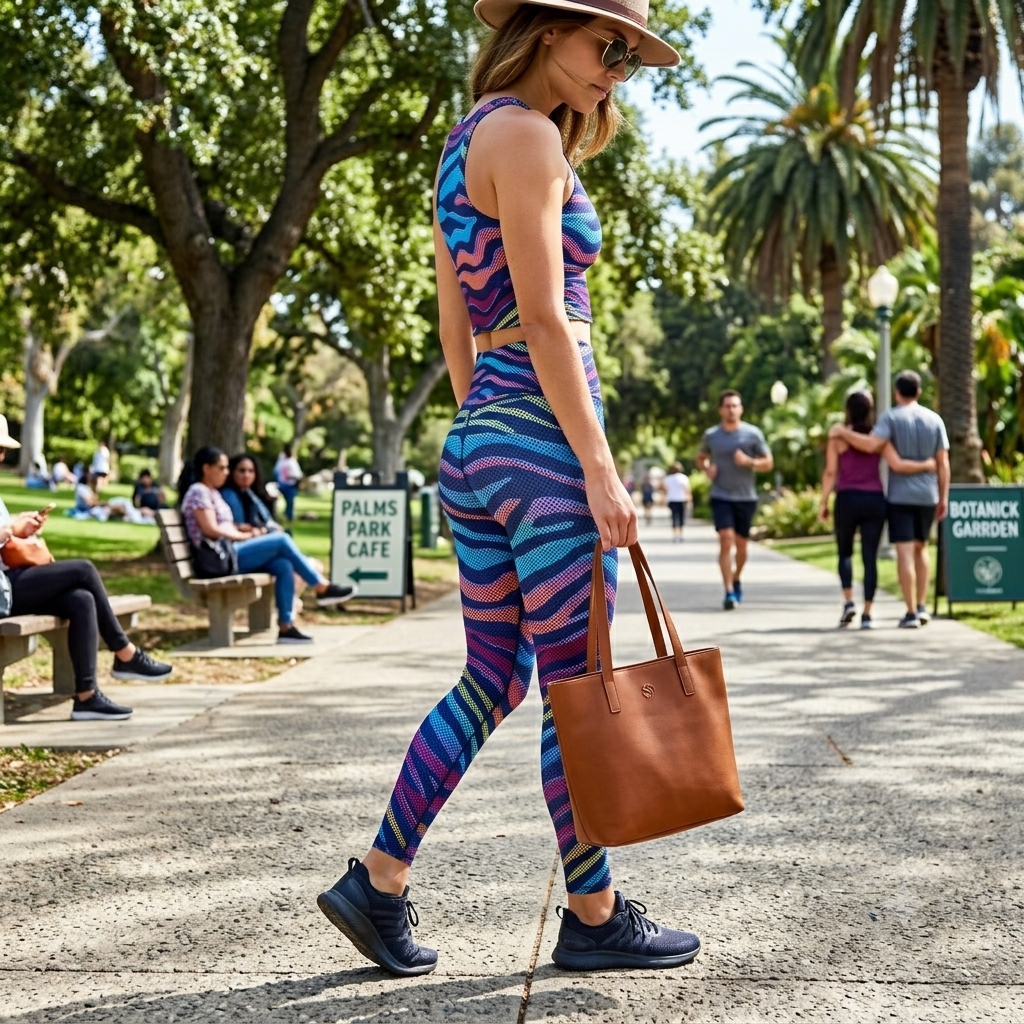

Wait, Did My Leotard Just Die?
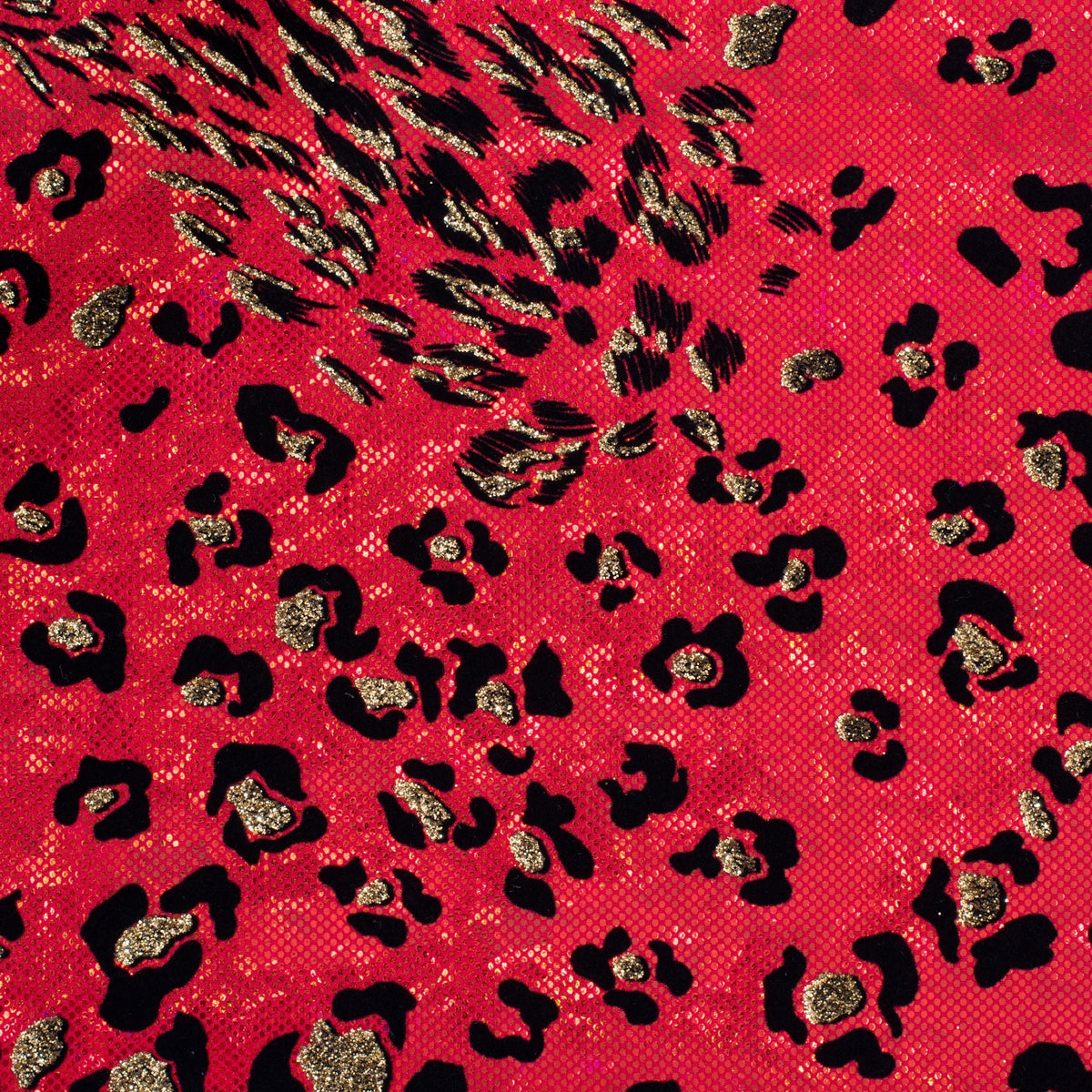
We’ve all been there. You’re mid-pirouette, feeling like a literal goddess, and suddenly—snap. Or worse, you realize your favorite "holographic" leggings now look like a sad, cracked disco ball.
If you think all dancewear is created equal, I’ve got some news for you. Understanding the "solution" to dancewear isn't just about finding a pretty color—it’s about the science of the stretch and recovery.
1. What Actually Makes Dancewear Work?
Real performance gear uses 4-way stretch. If it only goes one way, you’re fighting your clothes. High-quality fabric, like our premium Korean foils, has a high recovery modulus—meaning it hits the gym as hard as you do and never gets "tired."
2. A Trip Down Memory Lane
Before the 1950s, stretch meant heavy, smelly rubber. In 1958, Joseph Shivers invented Spandex (an anagram for "expands"). From Neil Armstrong’s moon suit to the 80s Flashdance explosion, spandex has quite the resume.
3. The Current Vibe: Sustainability & Inclusivity
In 2026, "Resilience" is the new black. High-performance brands are racing to create bio-based nylons that offer a buttery feel without sacrificing that signature snap-back. Furthermore, the industry is finally waking up: if a fabric doesn't perform with the same high-recovery modulus at every size, it’s not a solution; it’s a problem.
4. Future-Proofing Your Studio
Imagine leotards with biometric sensors or 3D-printed textures that change color with your body heat. The future of dancewear is about longevity and extreme performance.