

Fast shipping
Very Professional customer service will always buy my fabric from this company love them x
Literally such a stunning mesh. And they accommodated my need to change colors when I ordered the wrong one. Great customer service!
Fantastic quality and great customer service
Very happy with my purchase
Fast service, beautiful quality, I’ll definitely buy again (and again!)
I haven’t cut the fabric yet but it appears to be all I had hoped for. A shipping problem was rectified very quickly and 100% to my satisfaction.
I’ve been very satisfied with every order I’ve placed with Spandex Palace!
Beautiful color cards, love them will be ordering off these swatches in the future really helps me to match up existing pieces I have
This fabric is absolutely beautiful. It’s way more vibrant than in the pictures. Very soft and shiny, washes well and made a stunning cosplay. IG/Tiktok: @Pristinezdar
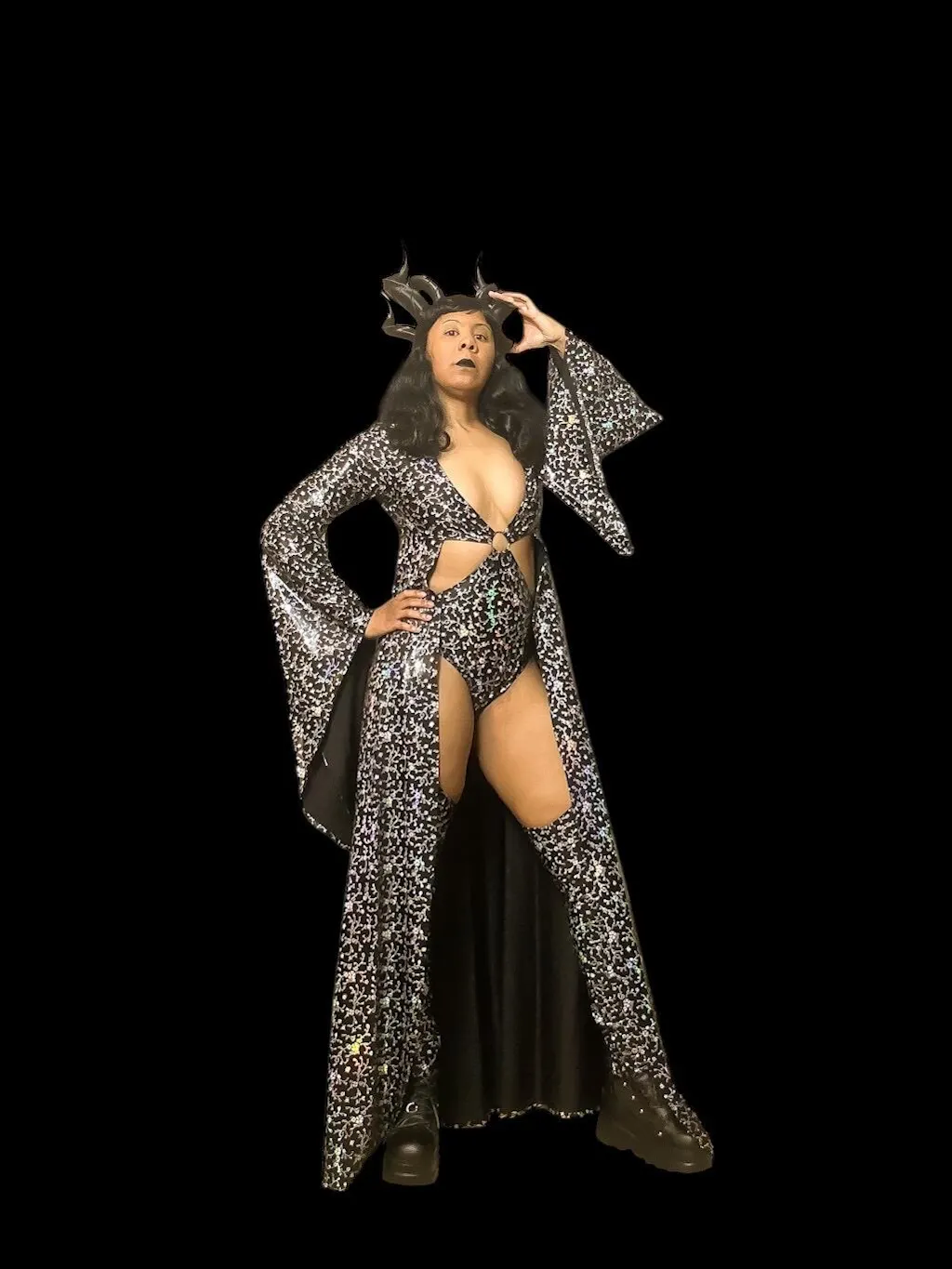
Beautiful looking print!!
Looks so cool as accent on a group of costumes!
I really like it. Quality is excellent, way stretchier than I expected, everything I could have wanted out of the fabric. One thing is, I ordered rainbow and I got blue purple and pink. I would have rated 5 stars but I do still wish I had gotten rainbow tie-dye!
Amazing quality fabrics and incredibly fast shipping!
Amazing quality fabrics and incredibly
Fast shipping!
Just as depicted. Made my costume today and have just a few finishing touches. Love how it turned out. It was perfect
Me encantó la calidad de la tela, excelente textura 10/10
Exactly what I ordered and came quickly
Exactly what I was looking for. Millikin spandex base and not see through
It was just was looking for.
I love the colors and how shiny they are
Fake Leather Laser cut on Mesh Fabric | Spandex Palace
Nice fabric make up stand out
The description said this fabric was 4 way stretch. While there is SOME stretch, it is very limited and definitely NOT “4way” as stated.
I love the color of fabric
The stretch fabric is sturdier than I expected and I love that for the project I have. It does stretch and I also think it’s a great choice that the company reuses boxes 💕 Look forward to buying more fabric
Thank you so much for your kind words! We're thrilled to hear the stretch fabric exceeded your expectations and that you appreciate our eco-friendly packaging. We look forward to helping with your next project! 💕Thank you for your continued loyalty—we truly appreciate your support! As a token of our gratitude, please enjoy 10% off all new arrival fabrics with the code NEW25 at checkout. We look forward to serving you again soon!
Its beautiful and stretchy and it looks great. I have not had a chance to sew it yet but it feels wonderful.
Thank you for your continued loyalty—we truly appreciate your support! As a token of our gratitude, please enjoy 10% off all new arrival fabrics with the code NEW25 at checkout. We look forward to serving you again soon!