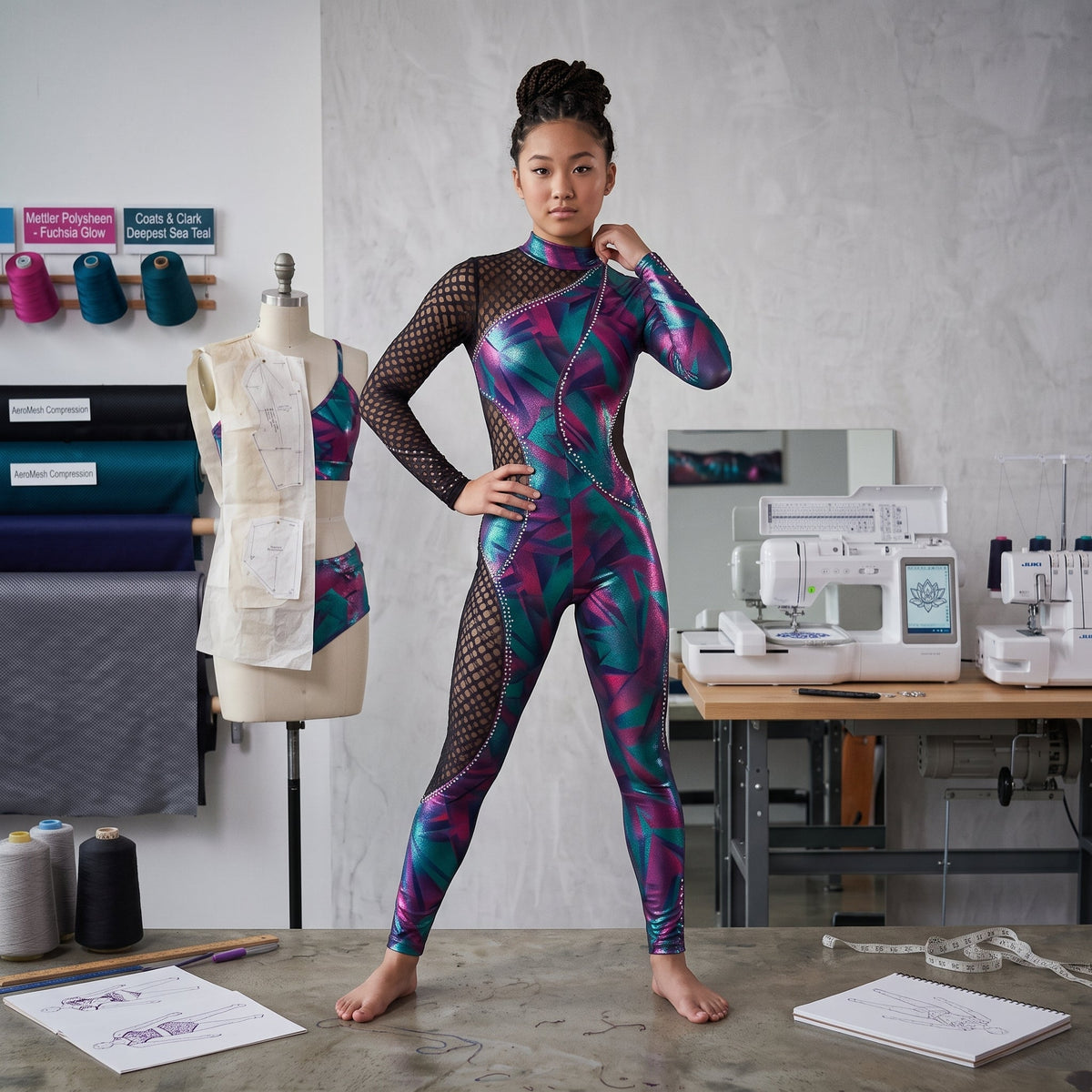
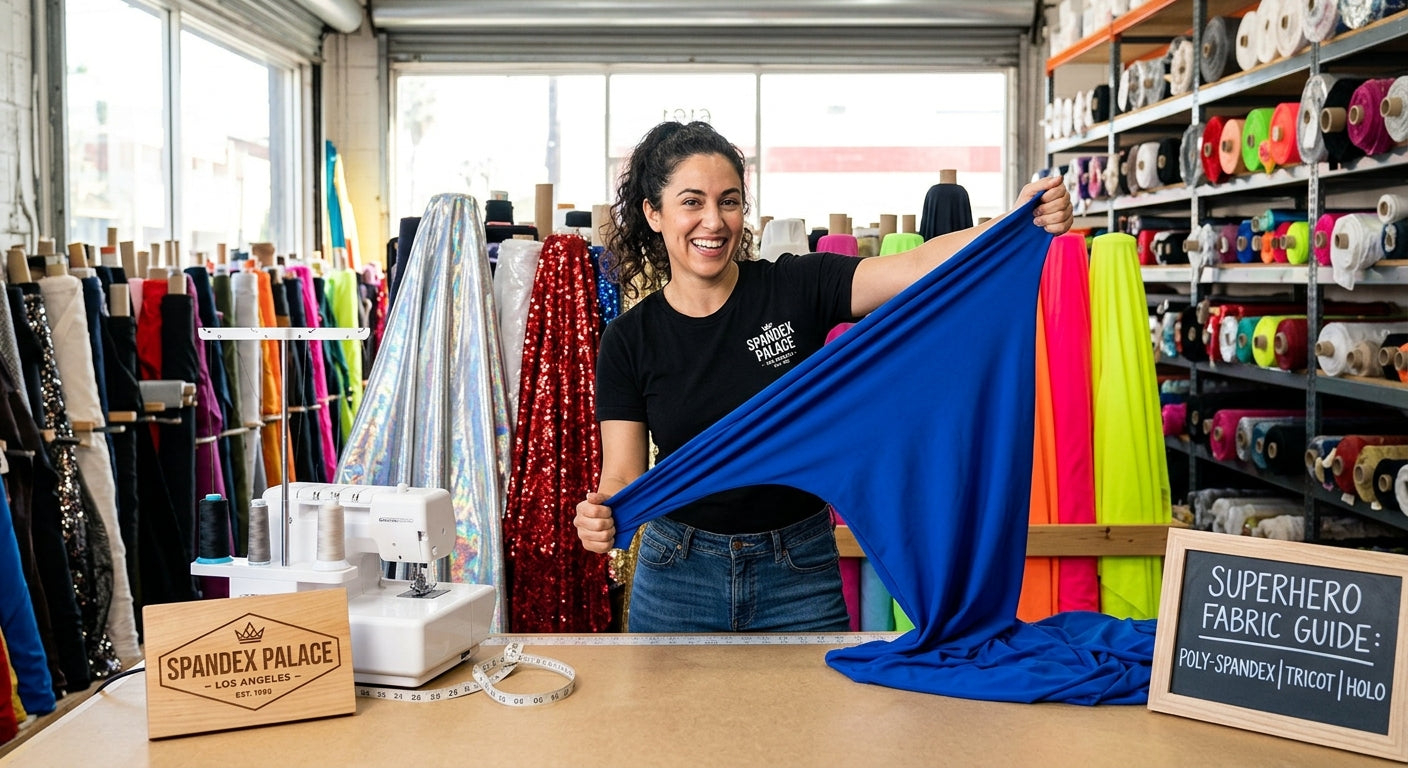
Whether you are designing an iconic comic book hero, an original sci-fi bodysuit, or a stage-ready catsuit, choosing the right material makes or breaks your build. A great superhero suit requires three essential qualities: 4-way stretch for full mobility, complete opacity (no see-through spots), and strong recovery so it doesn't sag after hours of wear.
Here is the complete breakdown of the best fabrics for bodysuits and superhero cosplays.
1. Lightweight 4-Way Stretch Polyester Spandex (The Gold Standard)
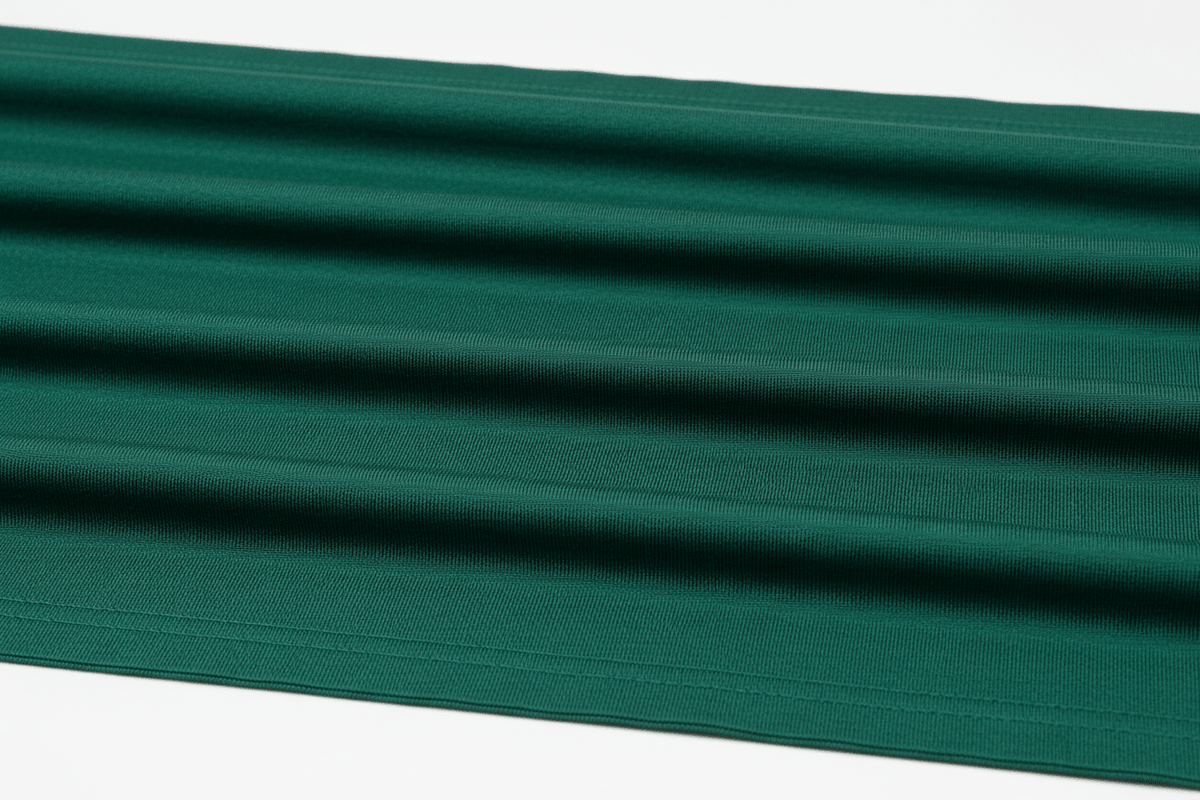
If you are crafting a full-body skinsuit, leotard, or form-fitting superhero suit, a 90% polyester and 10% spandex blend is the industry favorite.
-
Why it works: It offers true 4-way stretch, meaning it expands crosswise and lengthwise while bouncing right back to its original shape.
-
Breathability & Weight: Lightweight poly-spandex breathes well during long convention days or high-energy performances.
-
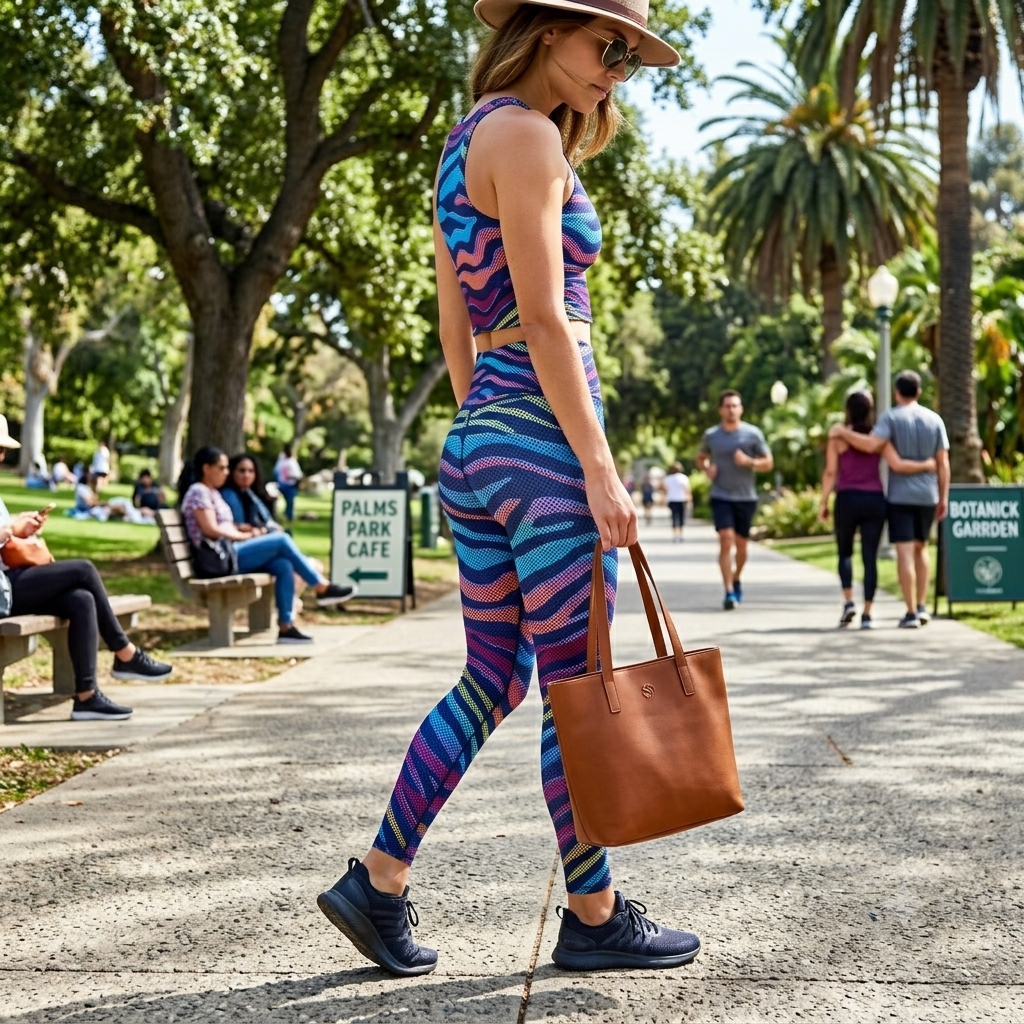
Vibrant Printing: Polyester holds dyes exceptionally well, making it ideal if you plan to sublimate custom muscle shading or comic-accurate patterns onto your suit.
2. Heavyweight Nylon Spandex (Tricot)
For suits that require extra compression, durability, and a sleek, athletic finish, heavyweight nylon spandex (often sold as athletic tricot or swimwear spandex) is a top contender.
-
Durability: More abrasion-resistant than standard knits, making it great for high-friction areas like inner thighs and underarms.
-
Structure: Provides light muscle support and a smooth, sculpting silhouette.
3. Specialty Accents: Holographic, Foil, and Stretch Sequins
Superhero suits are rarely one flat color. Adding dimensional textures elevates your costume from a simple leotard to a high-end replica.
-
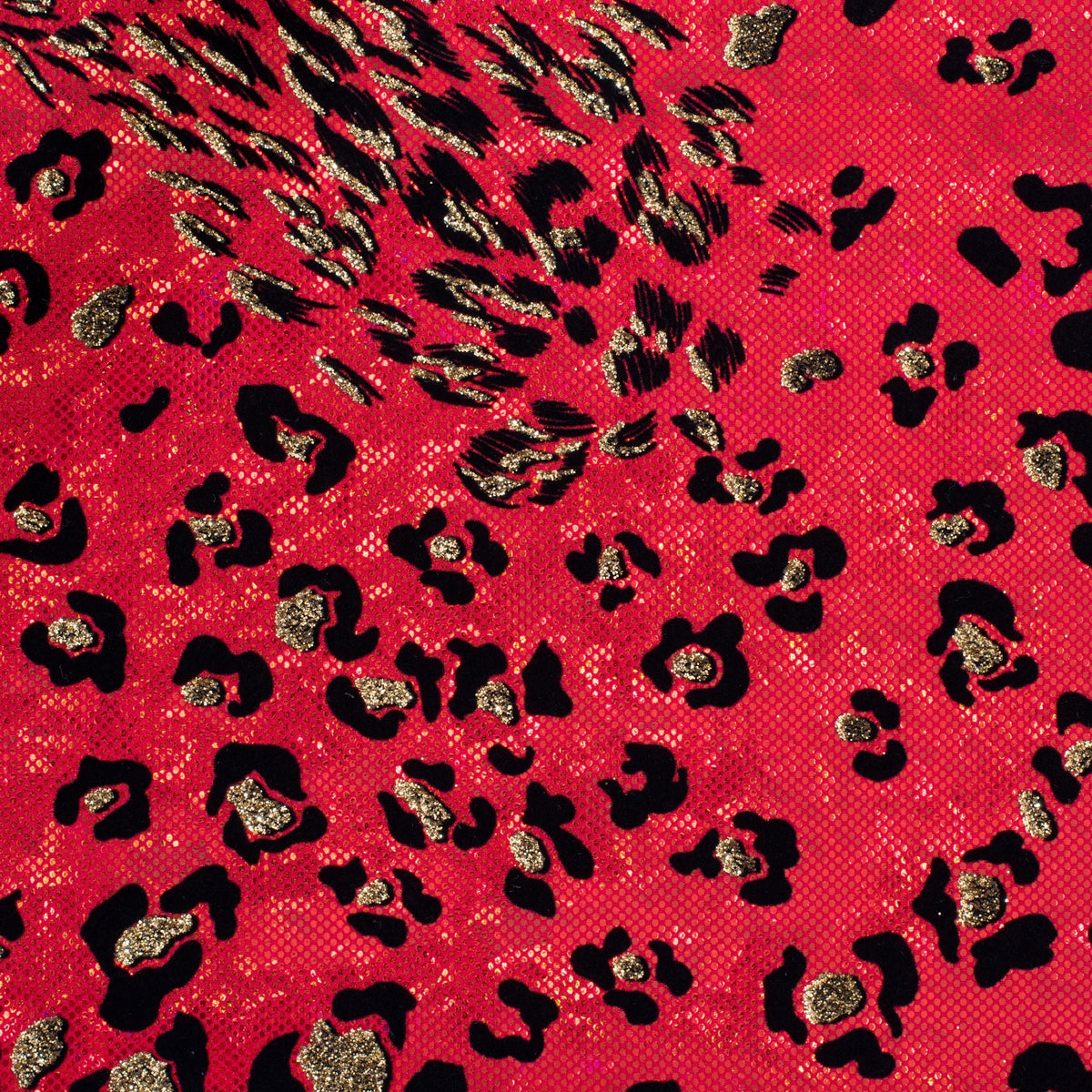
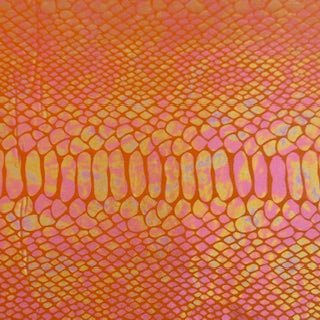
Foil Prints & Holographic Spandex: Perfect for metallic armor panels, cosmic heroes, or alien textures that catch the light dynamically on stage and camera.
-
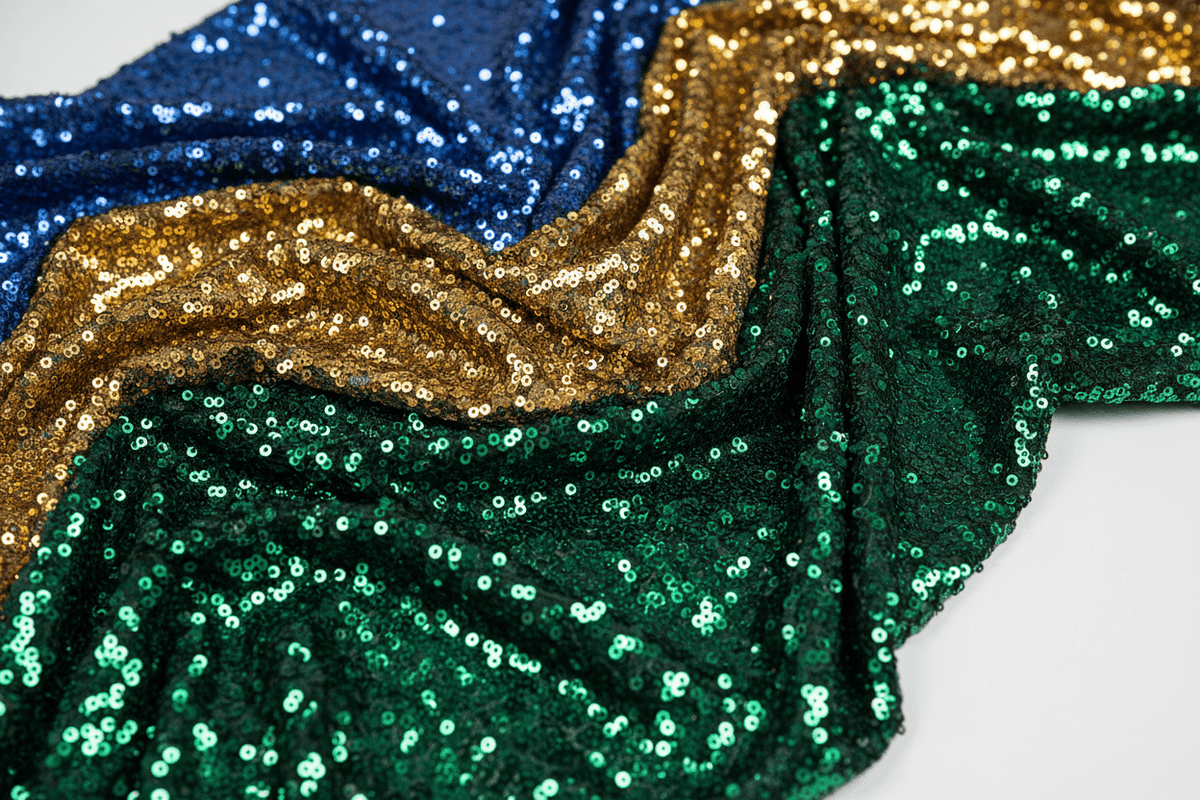
Mechanical Stretch Sequins: Ideal for dazzling superheroines or villain accents where you want maximum sparkle without sacrificing mobility.
-
Power Mesh: Used for breathable ventilation panels, illusion necklines, and discreet structural lining.
Fabric Comparison Guide
| Fabric Type | Stretch Direction | Best Used For | Key Advantage |
| 90/10 Poly Spandex | 4-Way Stretch | Full bodysuits, printed skinsuits | Breathable, lightweight, excellent recovery |
| Nylon Tricot | 4-Way Stretch | Athletic suits, high-compression wear | Durable, smooth sculpting finish |
| Foil / Holographic Spandex | 4-Way Stretch | Metallic panels, sci-fi accents | Eye-catching shine and stage presence |
| 3D Faux Leather | Non-Stretch | Armor plating, utility belts, holsters | Rigid structure and realistic leather look |
3 Pro Tips for Sewing Superhero Bodysuits
-
Always Use a Stretch Needle: Standard needles will skip stitches or shred spandex threads. Use a Ballpoint or Stretch needle (Size 75/11 or 90/14).
-
Choose the Right Stitch: Never use a standard straight stitch on stretch seams—the thread will snap when you put the suit on. Use a serger 4-thread overlock, a narrow zigzag stitch, or a lightning/stretch stitch.
-
Order Swatches First: Fabric weights and screen colors can look different in person. Ordering fabric swatches beforehand lets you test the stretch percentage and check color accuracy before cutting into your yardage.
Ready to Build Your Next Suit?
Pick high-performance 4-way stretch fabrics that move with you, hold their shape, and bring your character to life from pattern to convention floor.