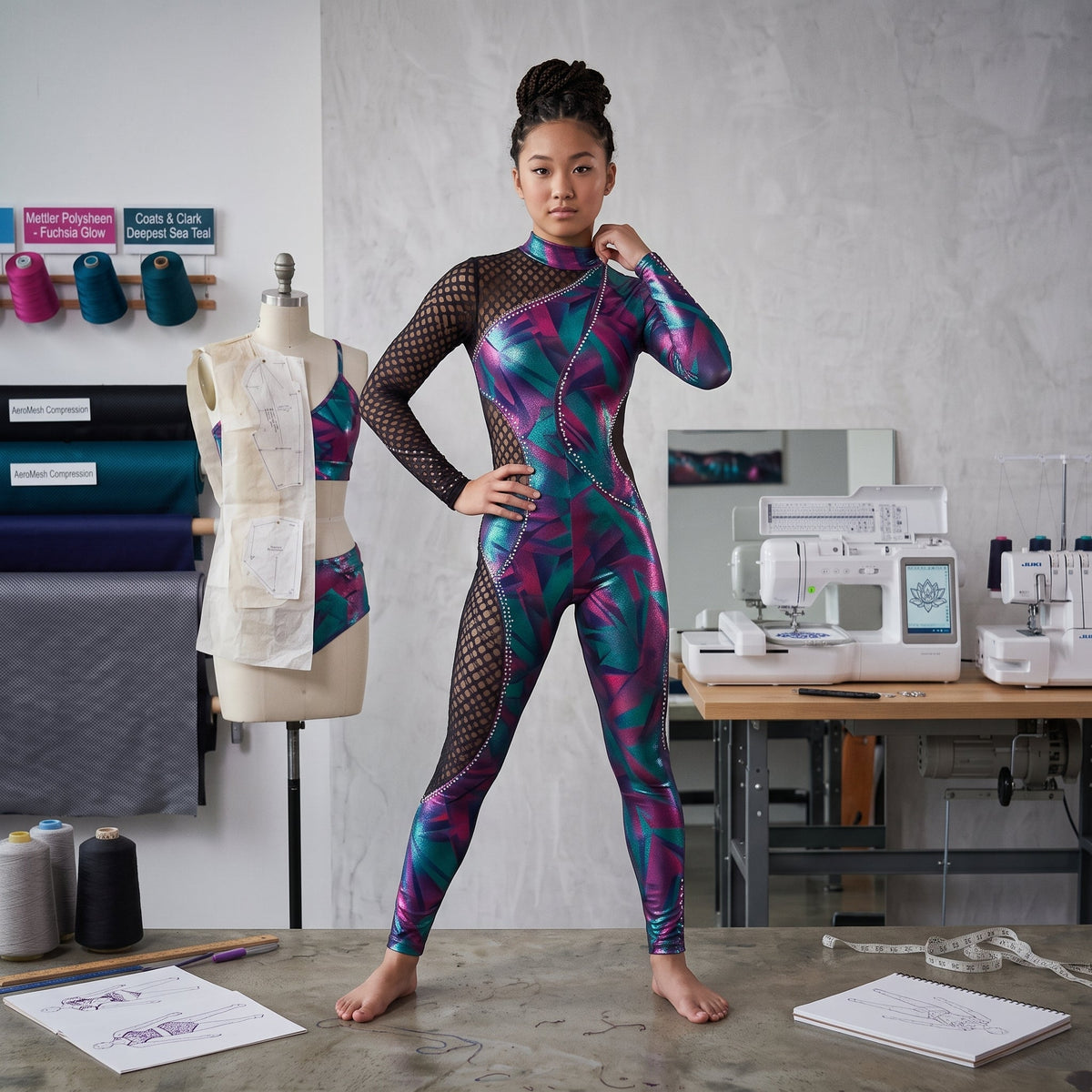
Creating a show-stopping cosplay often relies on utilizing specialty performance textiles. Whether it’s the metallic sheen of a futuristic armor suit, the dazzling sparkle of a mermaid tail, or the intricate details of a royal gown, materials like foils, sequins, and embroidered fabrics are essential. However, these delicate materials require specialized care during construction and maintenance to ensure they look incredible on the convention floor and beyond.
Handling and Cutting Specialty Fabrics
The foundation of a great garment starts before you even sit at the machine. Handling these fabrics with care is crucial to prevent premature wear and damage.
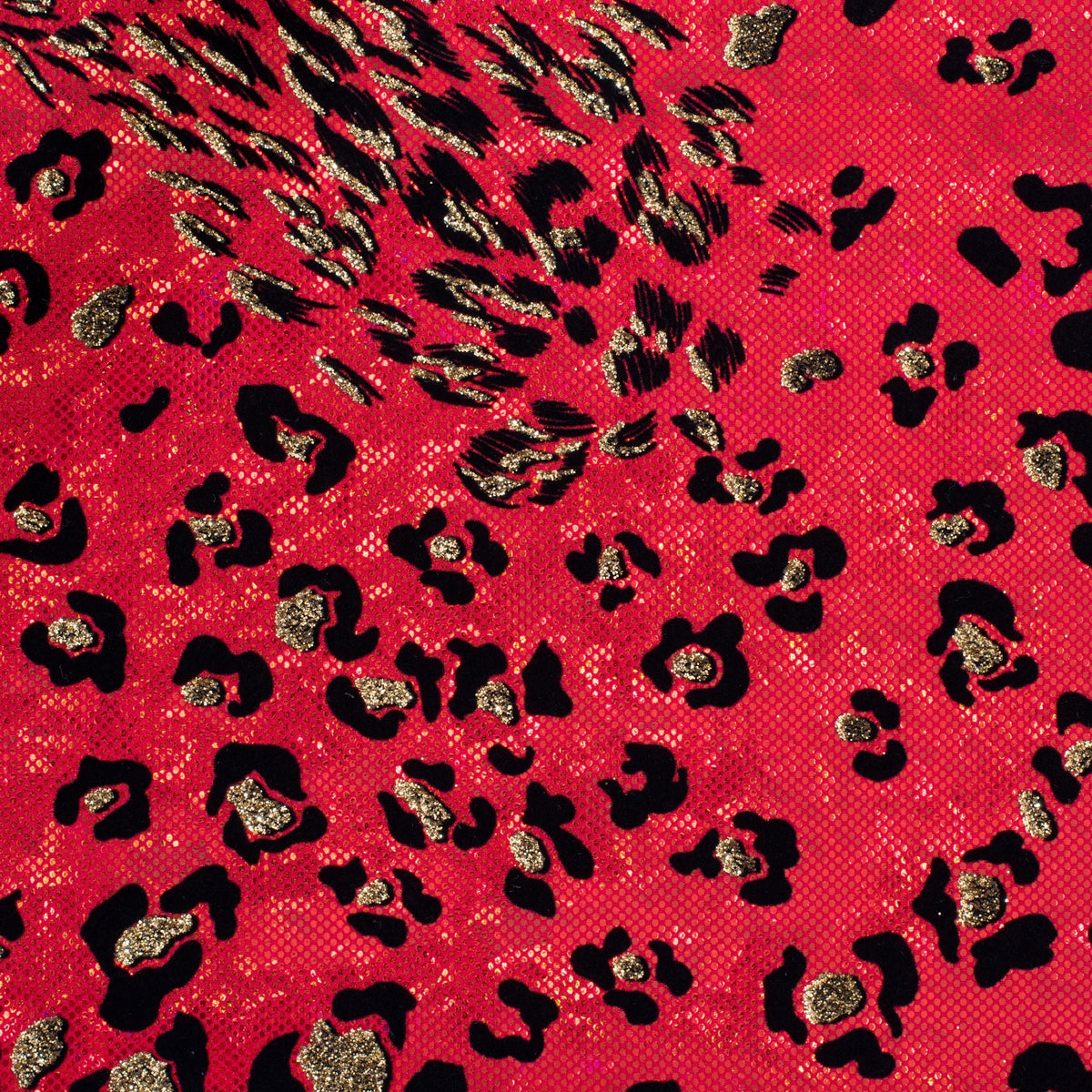
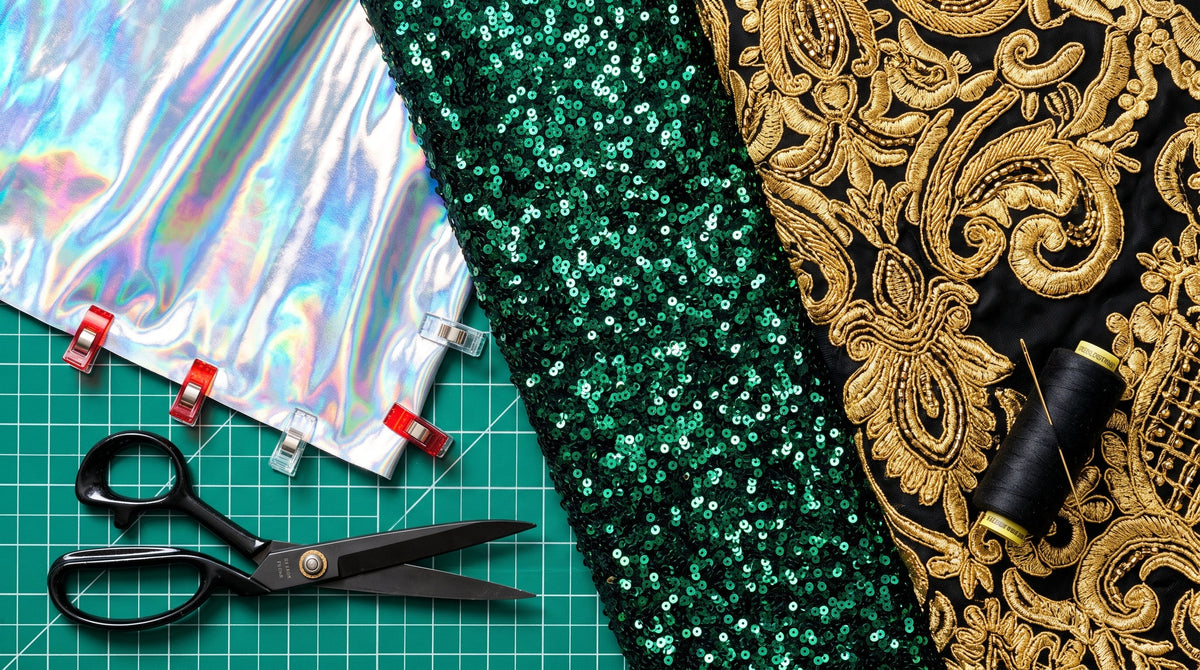
Foils & Holographics
Foil treatments sit on the surface of the fabric and can easily scratch or rub off if mishandled.
-
Storage: Store rolled rather than folded to prevent permanent creases and cracking in the foil finish.
-
Cutting: Use extremely sharp shears or a fresh rotary blade. Dull blades will pull the fabric and crack the foil edge.
-
Pinning: Avoid pinning within the garment area. Use sewing clips (wonder clips) or pin only strictly within the seam allowance, as pins will leave permanent holes in the foil.
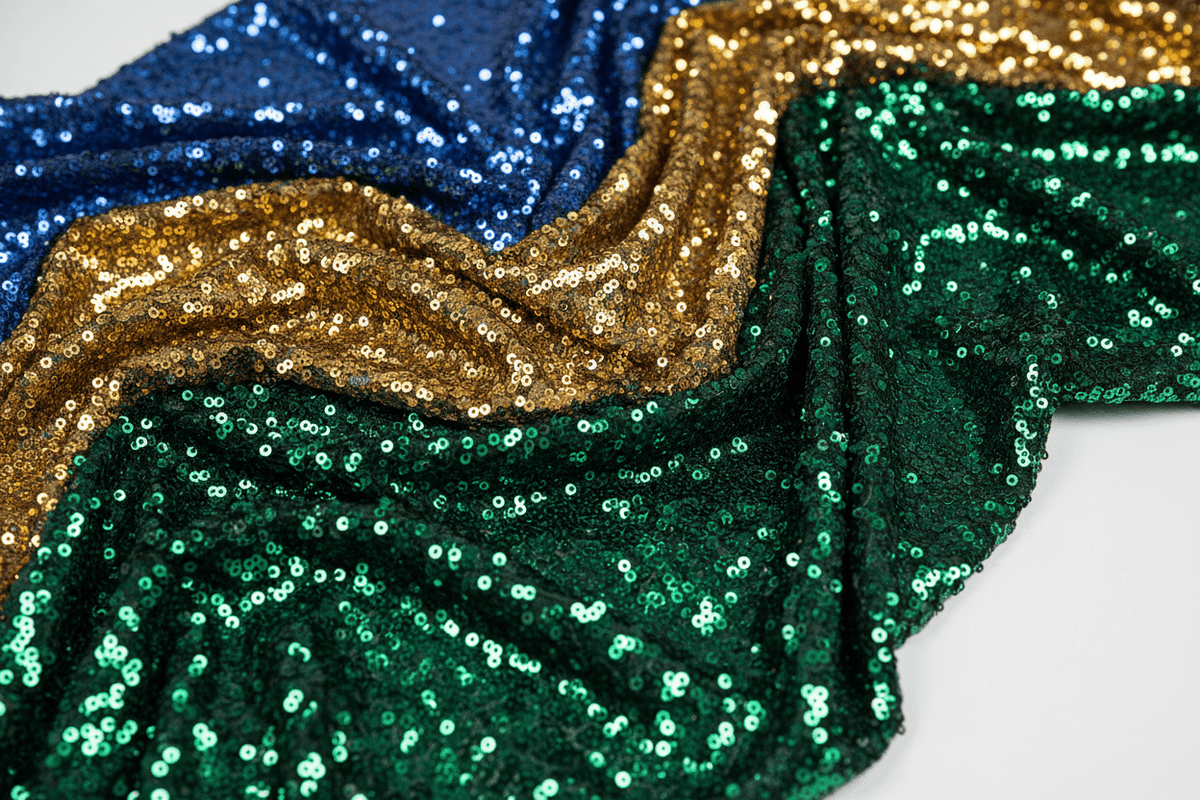
Sequins (Paillettes)Sequins add instant glamour but require strategic cutting to avoid ruined scissors and seams. 
-
Cutting: Do not use your best fabric shears on sequins; use a dedicated older pair or craft scissors, as cutting through plastic sequins will quickly dull the blades.
-
Prep Work: Before sewing, carefully remove the sequins from the seam allowance using a seam ripper or small scissors. This prevents bulky seams and broken needles. Do not cut the thread holding the sequins; snip the sequin itself.
Embroidered Fabrics
Embroidered textiles are often heavy and prone to snagging.
-
Handling: Keep your workspace clear of anything that might catch the threads.
-
Cutting: Pay close attention to pattern placement. Try to avoid cutting straight through the center of large, prominent embroidered motifs if possible.
Sewing Techniques for Delicate Textiles
Adjusting your machine settings and techniques will save you from frustration and ruined fabric.
-
Needle Choice is Crucial:
-
Foils (Stretch): Use a fresh stretch or ballpoint needle (size 75/11 or 90/14 depending on the base fabric weight) to avoid skipping stitches and tearing the spandex base.
-
Sequins & Embroidery: Use a sharp, heavy-duty needle (Microtex or Denim, size 90/14 or 100/16) to pierce through dense threads or any missed sequins in the seam allowance.
-
-
Thread Selection: Use high-quality polyester thread for strength and durability. Avoid cotton thread on stretch fabrics as it will snap under tension.
-
Presser Foot Pressure: Lighten the presser foot pressure if your machine allows it. This is especially helpful for foils to prevent the presser foot from dragging and marring the metallic finish. A Teflon foot or a walking foot can also help foils feed smoothly.
-
Stitch Selection: For stretch foils and holographics, use a narrow zigzag or a lightning bolt stretch stitch to maintain mobility.
Maintenance and Care: Preserving the Finish
After investing hours into construction, proper care will extend the life of your costume significantly.
-
Washing: Never machine wash or dry clean specialty foils, sequins, or heavily embroidered performance wear. The heat and harsh chemicals will strip foils and melt or dull sequins.
-
The Hand-Wash Method: Turn the garment inside out. Gently hand wash in cold water using a mild, delicate detergent (like Woolite). Do not wring or twist the garment.
-
Drying: Lay the garment flat on a clean, dry towel. Roll the towel up and gently press to absorb excess moisture. Unroll and lay flat to air dry completely away from direct sunlight or heat sources.
-
Odor Removal: Between wears, spray the inside (lining side) of the garment with a mix of cheap vodka and water (50/50 ratio). The alcohol kills odor-causing bacteria and evaporates quickly without damaging the delicate exterior.
-
Ironing: Heat is the enemy. Never iron directly on foils or sequins. If you must remove wrinkles from the base fabric, use the lowest heat setting, iron from the wrong side (inside out), and use a thick pressing cloth. A handheld steamer used carefully from the inside is often a safer option for embroidered goods.