News
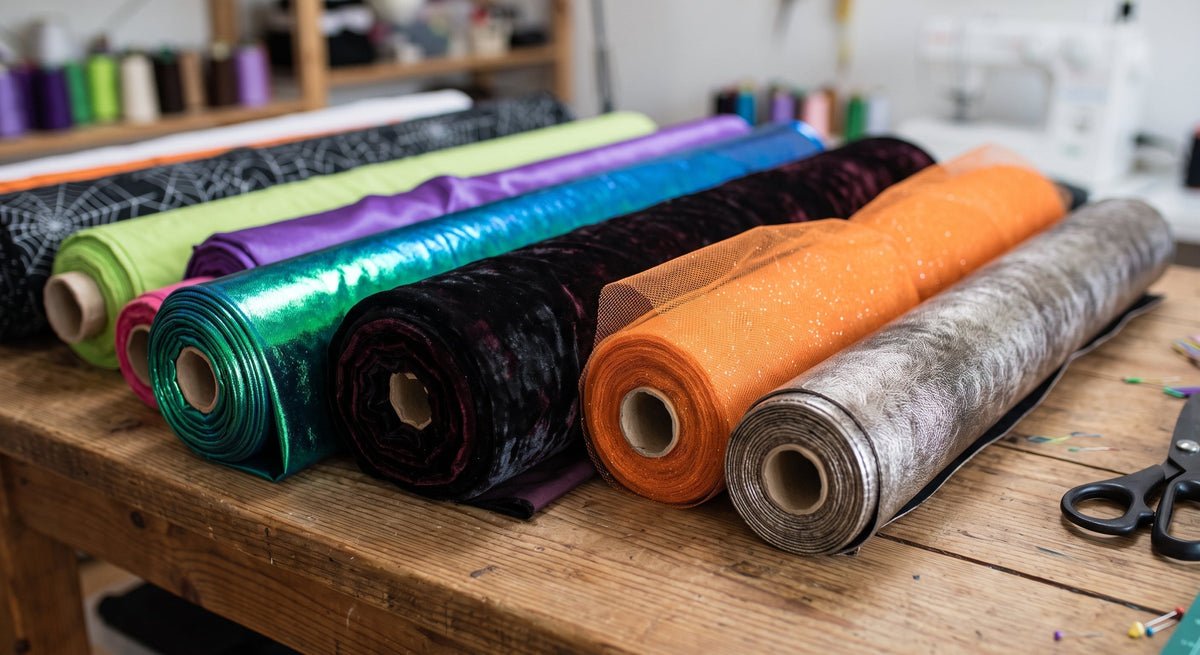
The Ultimate Guide to Halloween & Cosplay Fabrics for Your Next Costume
Building the perfect Halloween or cosplay outfit is an art, and every great artist needs the right canvas. By matching your character's vibe to the right fabric—whether it’s the rugged edge of faux leather, the eerie elegance of velvet, or the heroic stretch of spandex—you elevate your costume from a basic store-bought look to a custom masterpiece. Remember to consider comfort, stretch, and breathability before making your final cuts. Happy sewing, and stay spooky!
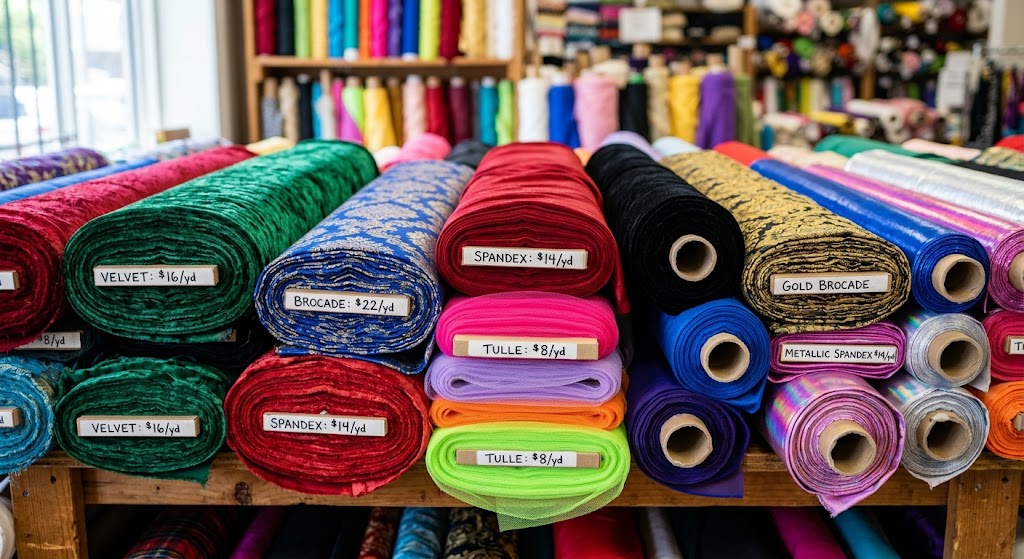
The Ultimate Guide to Costume and Cosplay Fabrics: What to Choose for Your Next Build
Choosing the right cosplay fabric is an art form in itself. By matching the fabric's weight, stretch, and texture to your character's design, you elevate your costume from a simple Halloween outfit to a true masterpiece. Always remember to check if you need 2-way or 4-way stretch, prioritize your comfort and breathability for long convention days, and don't be afraid to mix textures for a more realistic, dynamic look.
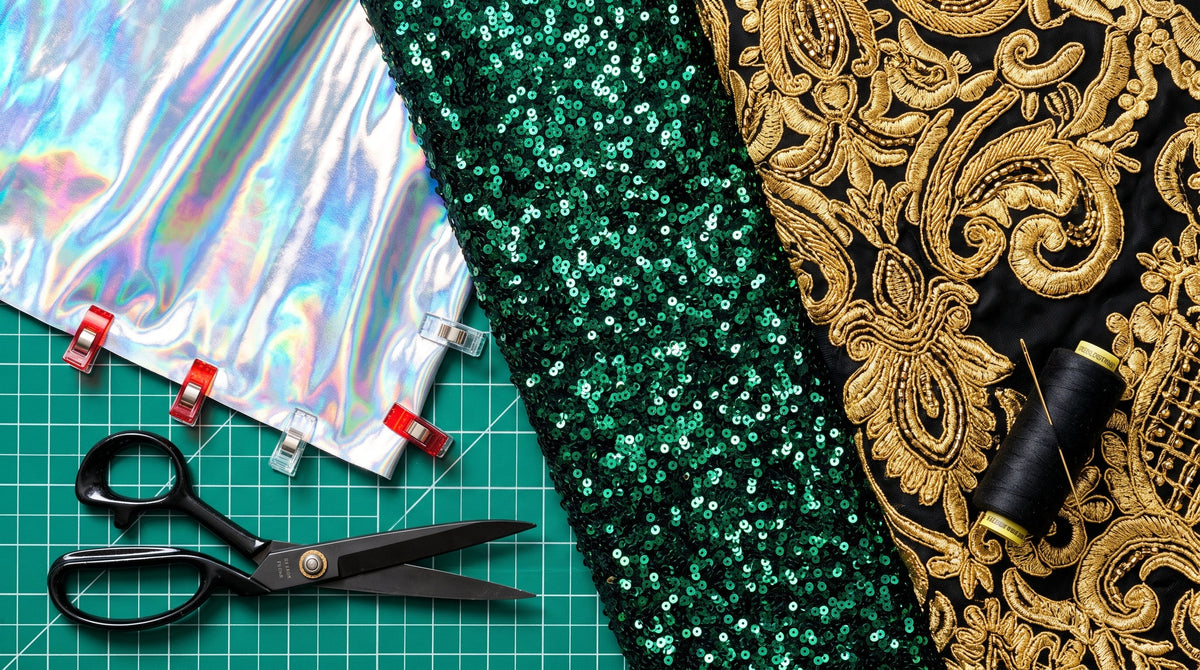
Specialty Fabric Maintenance: A Cosplayer’s Guide to Foils, Sequins, and Embroidery
Working with specialty performance textiles like foils, sequins, and embroidered fabrics elevates a cosplay from good to breathtaking. While they demand a higher level of patience and specialized handling during cutting, sewing, and washing, the final visual impact is undeniably worth the effort. By treating these materials with care, utilizing the correct tools, and committing to gentle, heat-free maintenance, you ensure that your intricate creations remain stunning and structurally sound for countless conventions to come.
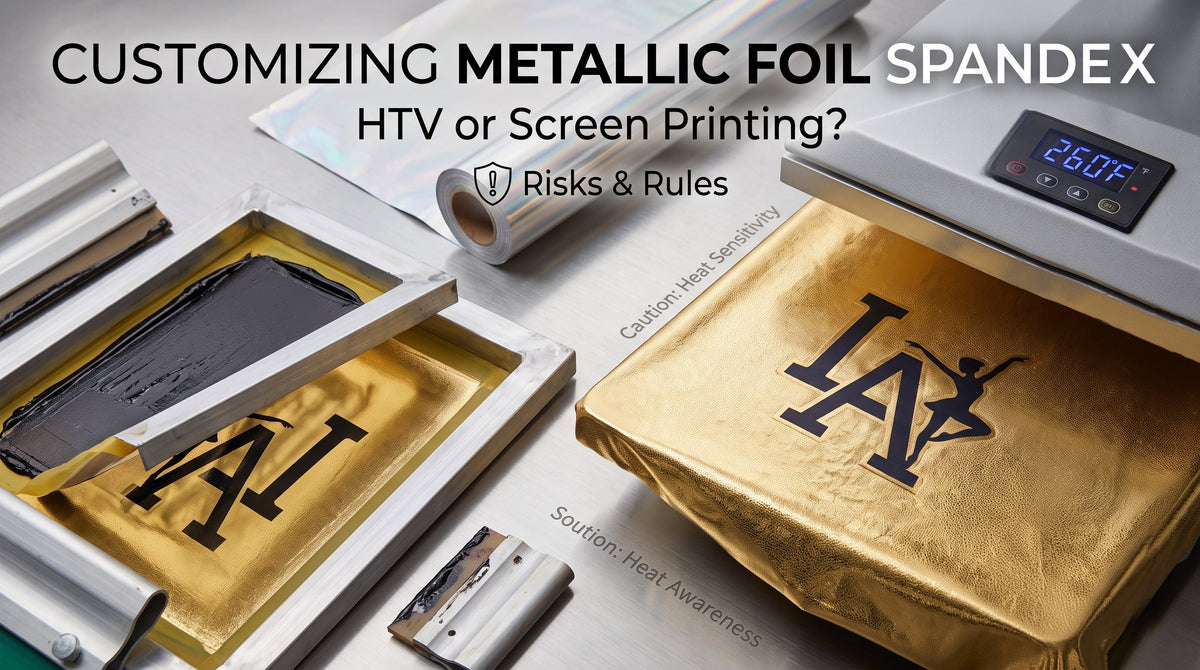
Can You Use Heat Transfer Vinyl (HTV) or Screen Printing on Metallic Foil Spandex?
Customizing performance wear requires testing. Always run a small test patch using scrap fabric before applying heat or ink to your final garment. When your project demands brilliant shine and resilient stretch, starting with premium materials is non-negotiable. Operating out of Los Angeles since 1992, Spandex Palace—a division of Payman Fabrics—supplies the high-quality metallic foil prints and hologram materials that competitive dancers, swimmers, and cosplay builders trust to stand out and perform flawlessly.
What Fabric Gives a Shiny Liquid-Metal or Wet-Look Finish?
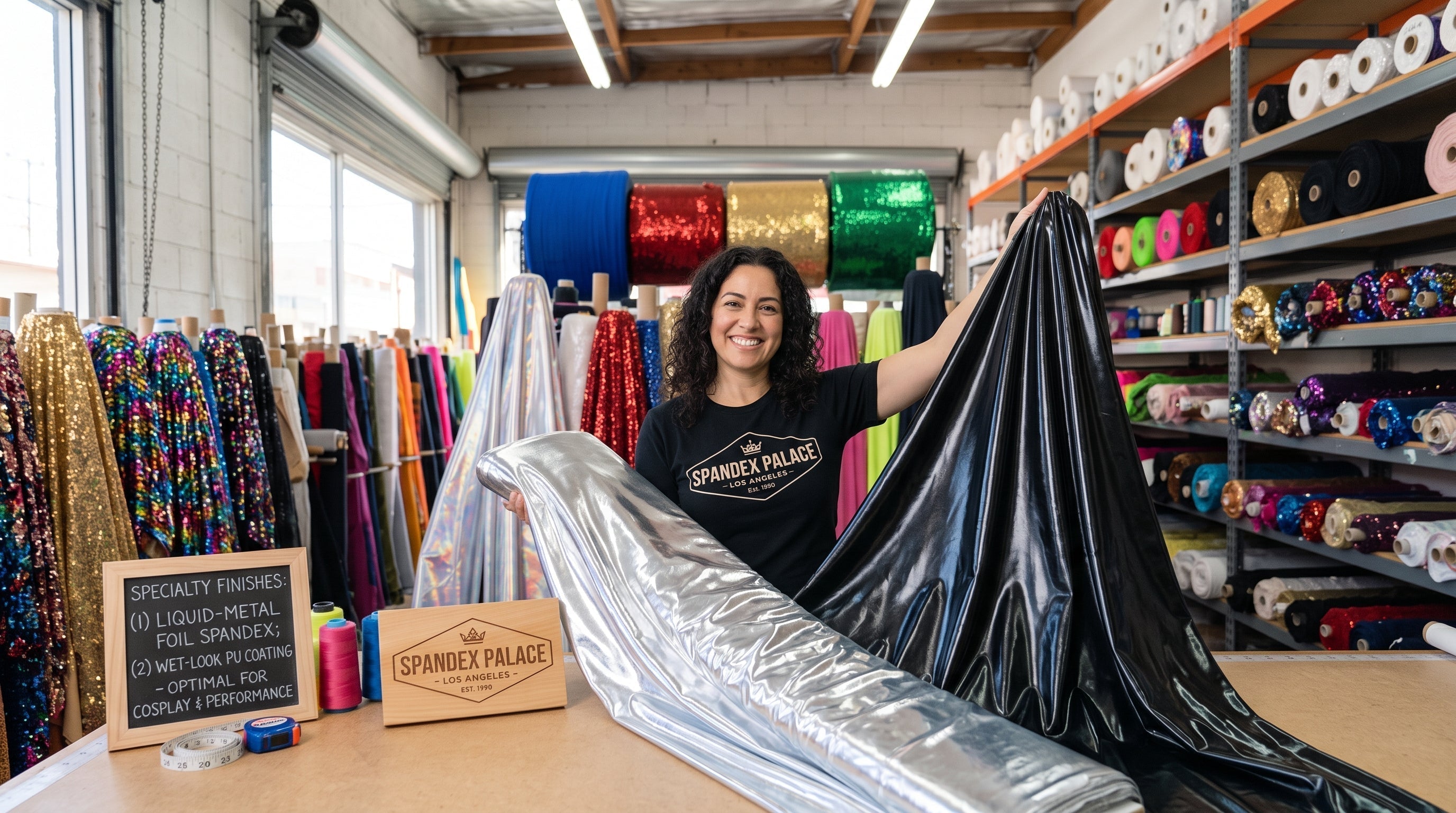
Achieving a flawless liquid-metal or wet-look design comes down to selecting high-quality materials that combine visual impact with reliable stretch and durability. Cheap foils can crack, peel, or lose their shine under stress, ruining hours of hard work on your costume. Sourcing professional-grade textiles ensures your garment holds up under bright stage lights and heavy movement. Established in Los Angeles in 1992, Spandex Palace provides the premium metallic foil spandex, wet-look fabrics, and performance textiles that professional cosplayers and dancewear designers trust to bring their most ambitious visions to life.

The Best Fabrics for Cosplay Armor and Props: A Complete Guide
Level up your next build with our ultimate guide to choosing the perfect materials for cosplay armor and props. Whether you are covering EVA foam or constructing structured accessories, this post breaks down the best textiles to achieve a realistic, heavy-duty look without the actual weight. Discover how to utilize materials like non-stretch 3D poly spandex faux leather, metallic foils, and holograms to bring your character to life. Plus, get top material recommendations directly from Spandex Palace, where we've been outfitting Los Angeles costumers and designers since 1992.
Why is My Sewing Machine Eating My Spandex? (The Fabric-Sucking Problem)
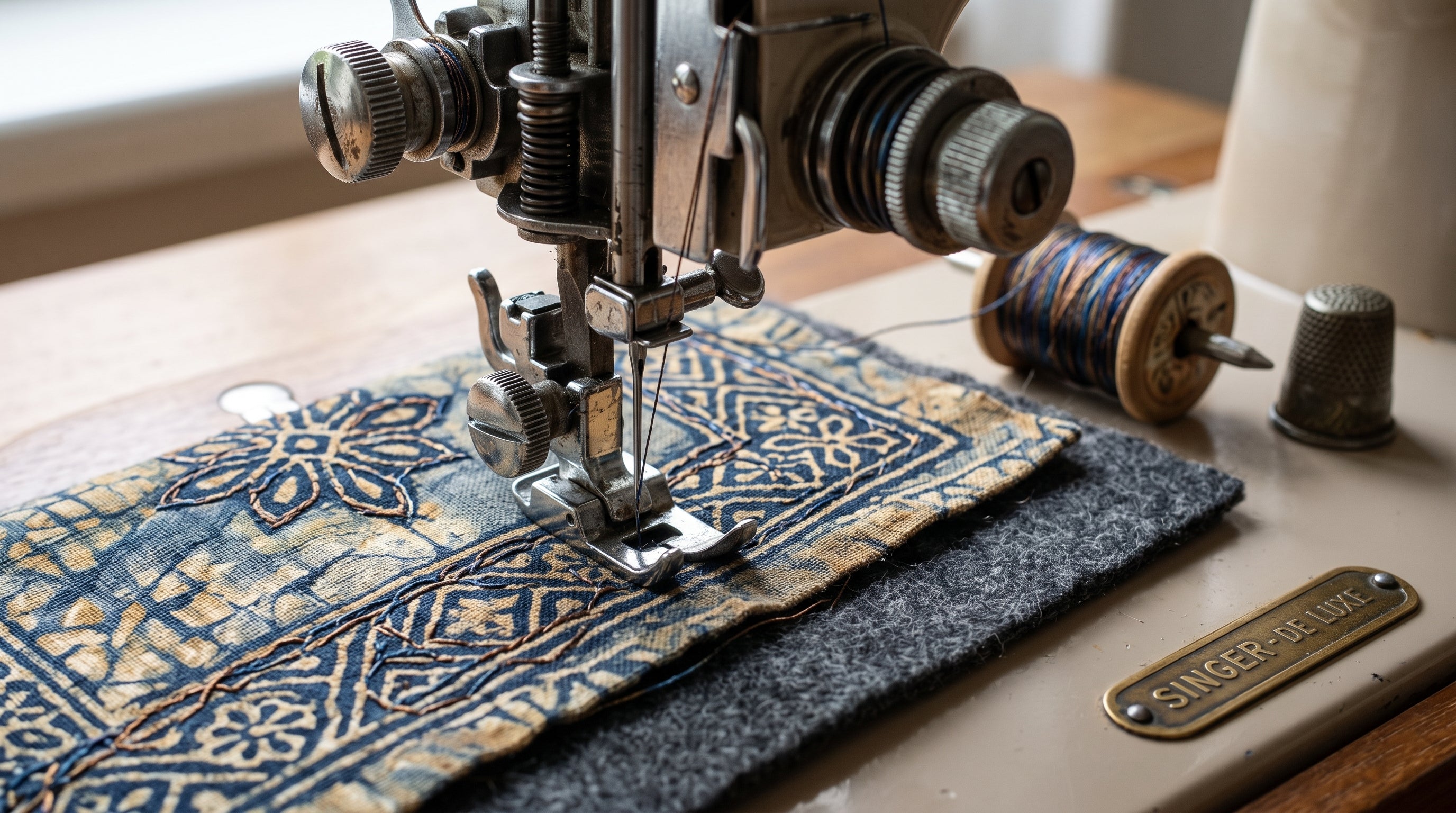
Is your sewing machine eating your spandex? Discover the hidden reasons why your machine swallows stretch fabrics, and learn 4 professional tricks—including the ultimate tissue paper hack—to sew your next project smoothly and jam-free.

Why Does White Spandex Turn Yellow in Storage? (And How to Prevent It)
Protect your fabric investments. In this guide, we break down the science behind phenolic yellowing, UV degradation, and chemical residue, plus provide actionable steps on how to properly store your 4-way stretch fabrics so they stay flawless.