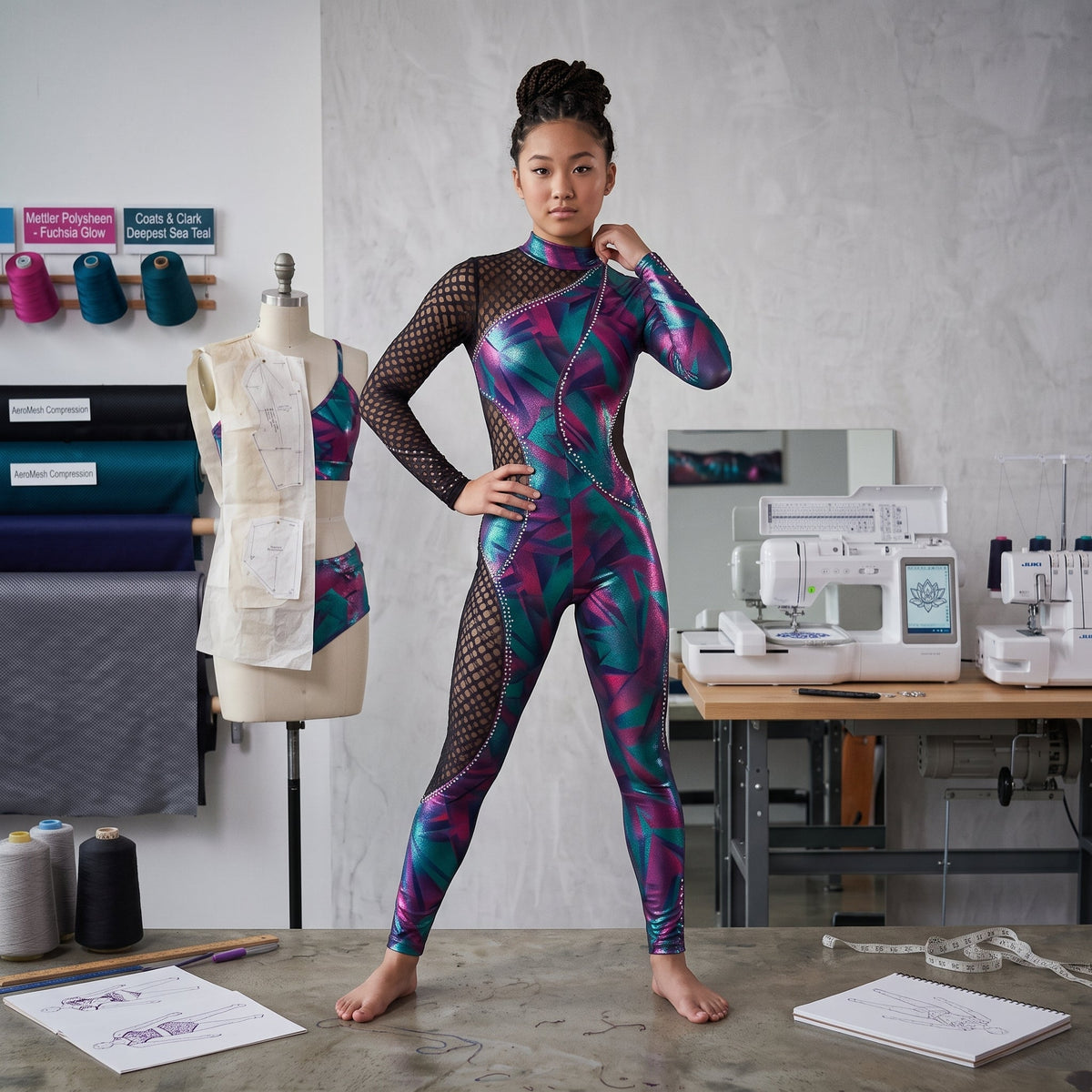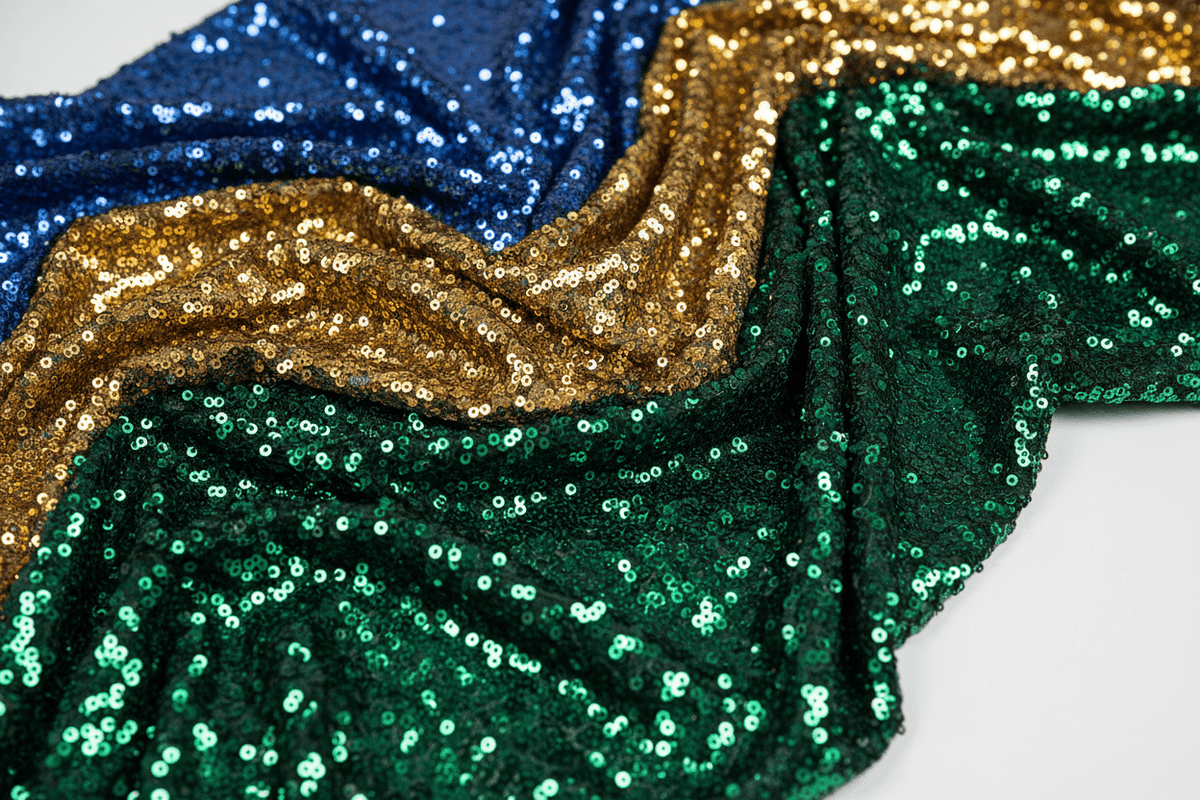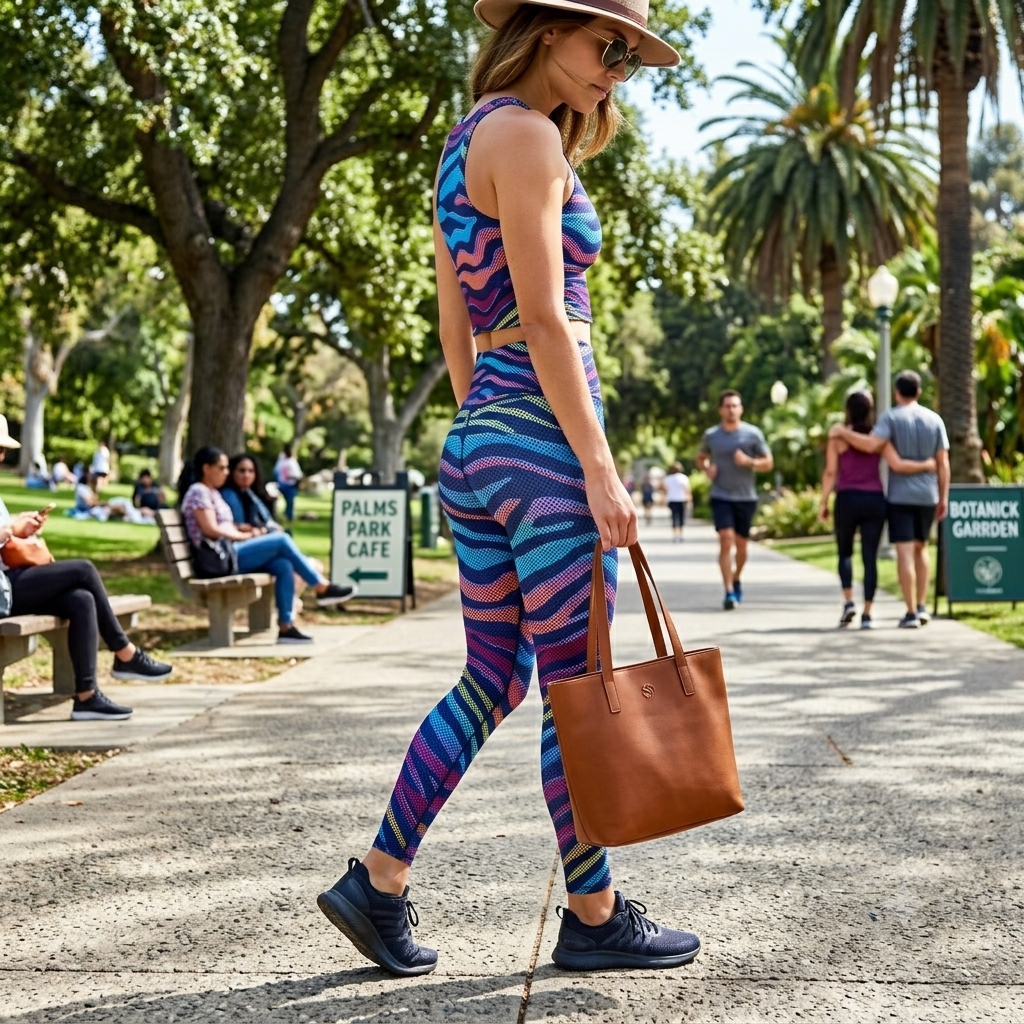
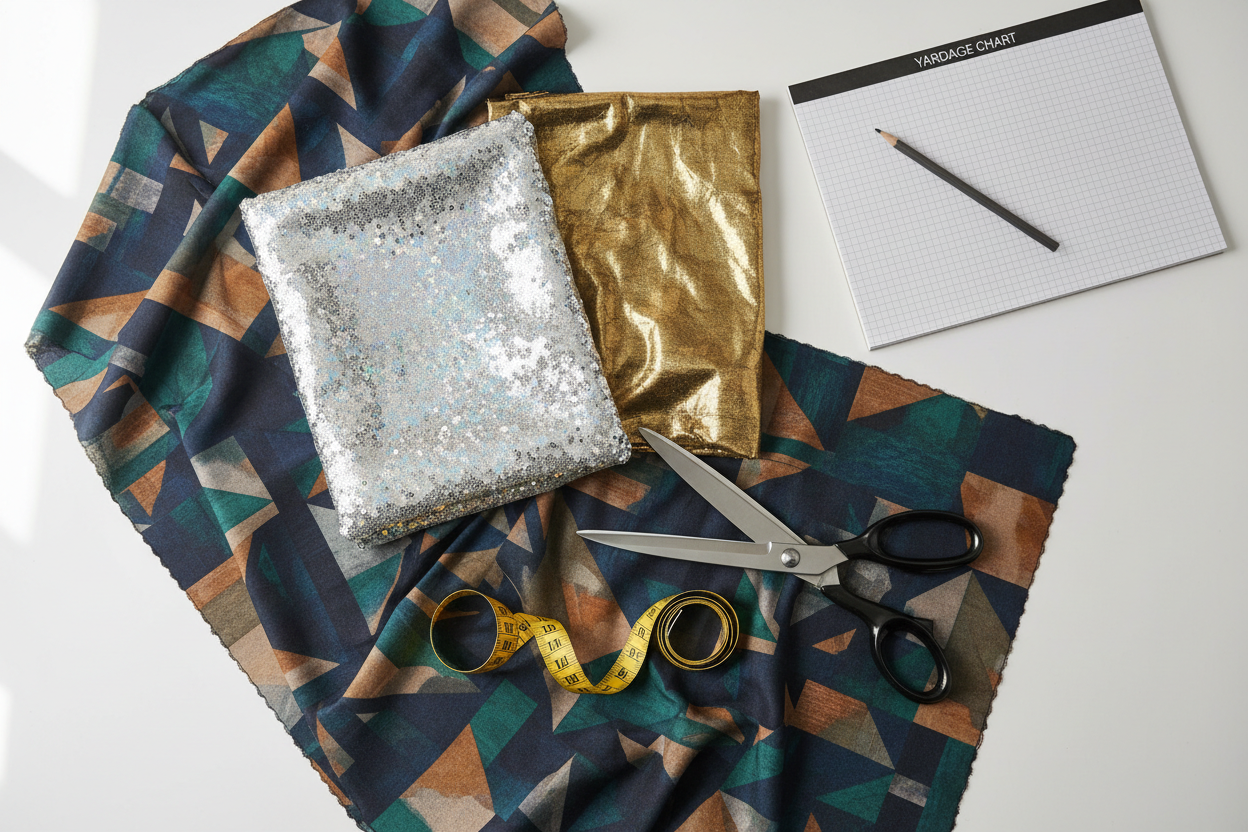
Whether you are constructing a high-performance dance leotard, a show-stopping cosplay piece, or custom swimwear, calculating the right amount of fabric is the critical first step of any project. Guessing can lead to mid-project panic when you run short, or wasted money when you buy too much.

With over 34 years of mastery in the textile industry, we know that standardizing your approach saves time and headaches. Most high-quality performance and apparel fabrics are cut to a 60-inch width. Because this width offers a fantastic amount of workable space, it is the industry standard for garment manufacturing.
Below is a comprehensive yardage guide designed specifically for 60-inch wide fabrics to help you plan your next production run or custom creation perfectly.
The 60-Inch Fabric Yardage Chart
Note: The measurements below are general estimates based on 60" wide fabric. Yardages are listed in whole and fractional yards. Always round up if you are unsure.
| Garment Type | X-Small | Small | Medium | Large | X-Large |
| Swimwear / Dance Leotard | 1 yd | 1 yd | 1.25 yds | 1.5 yds | 1.5 yds |
| Leggings / Tights | 1 yd | 1 yd | 1.25 yds | 1.5 yds | 1.5 yds |
| Full-Length Catsuit / Bodysuit | 2 yds | 2 yds | 2.5 yds | 2.5 yds | 3 yds |
| Circle Skirt (Short/Skater) | 1.5 yds | 1.5 yds | 2 yds | 2 yds | 2.5 yds |
| Fitted Dress (Knee Length) | 1.5 yds | 1.5 yds | 1.75 yds | 2 yds | 2.25 yds |
| Flowing Cape / Cloak | 2.5 yds | 2.5 yds | 3 yds | 3 yds | 3.5 yds |
| Basic T-Shirt / Rashguard | 1 yd | 1 yd | 1.25 yds | 1.25 yds | 1.5 yds |
Frequently Asked Questions (FAQ)
Q: Do I need to buy extra fabric for specialty finishes like foils or holograms?
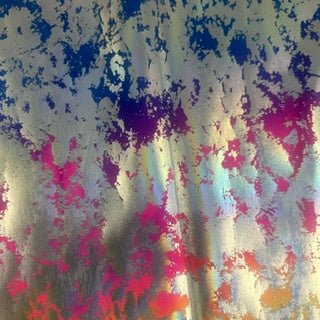
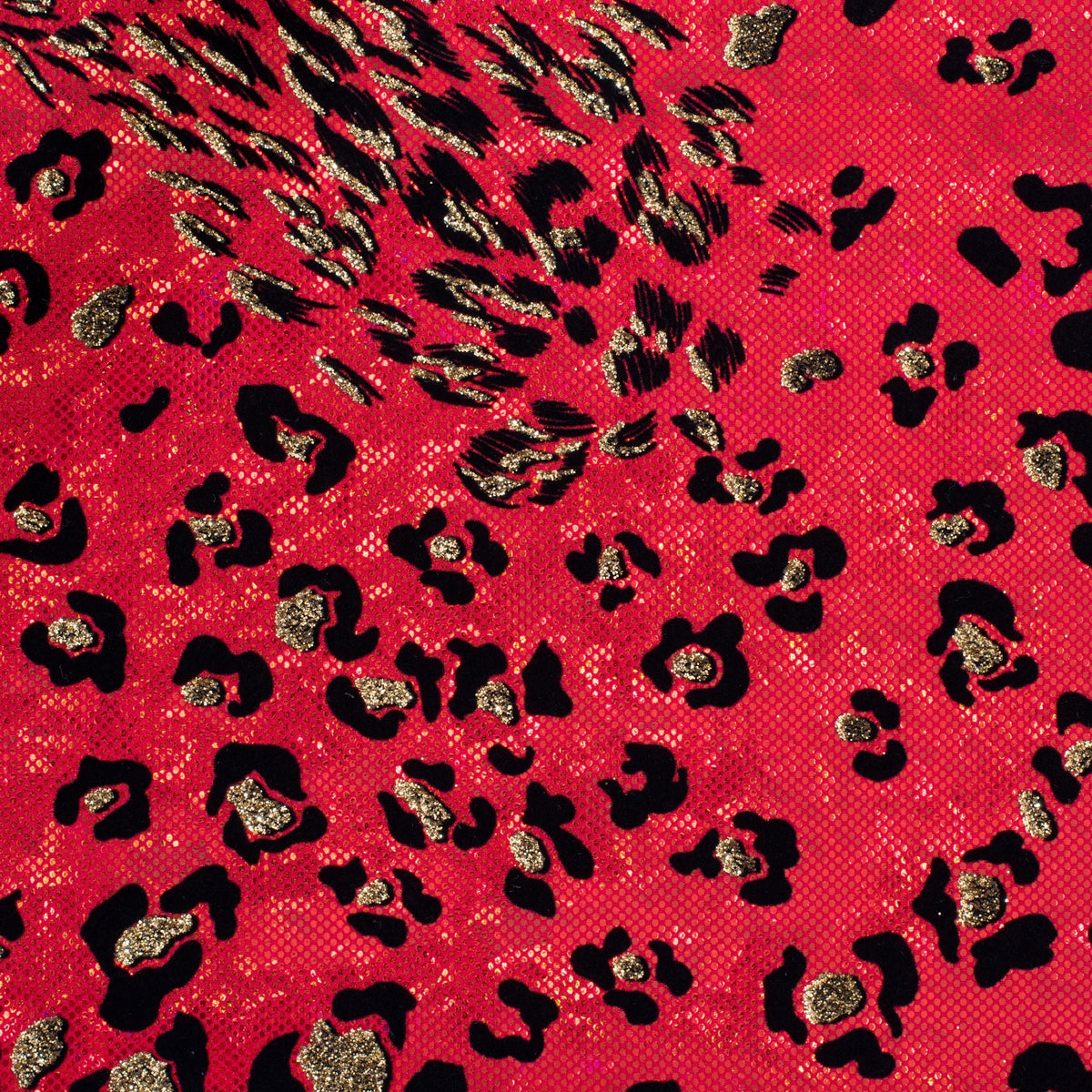
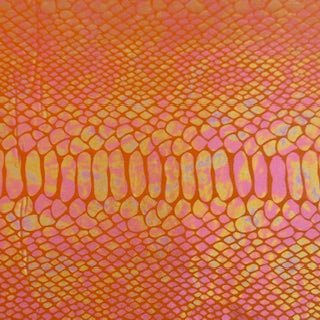
A: Yes. Specialty materials—such as mermaid multi-foil, shatter glass patterns, or animal print foils—often feature a "nap" or a directional design. This means all your pattern pieces must be cut facing the exact same direction so the light reflects uniformly across the garment. When working with directional fabrics, it is highly recommended to add at least 0.5 to 1 extra yard to your total to accommodate this layout constraint.
Q: How does the stretch of the fabric impact yardage?
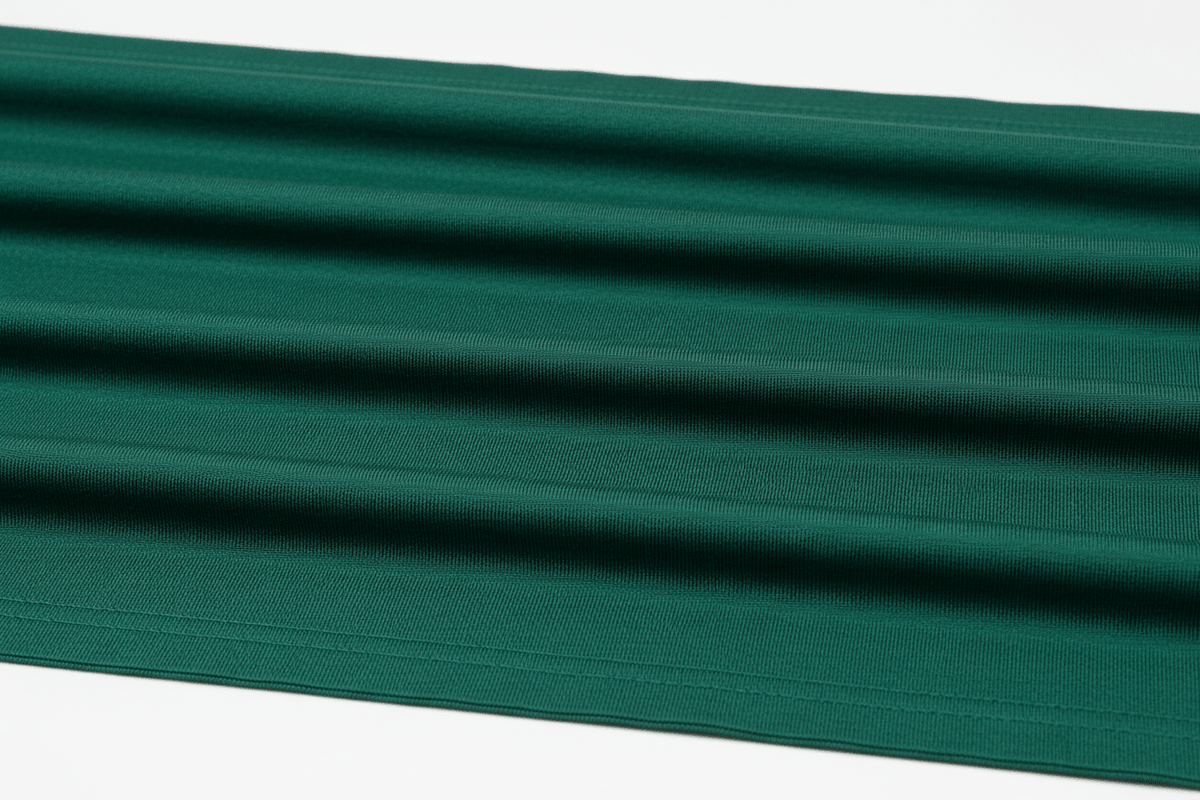
A: Standard 4-way stretch materials (like nylon or polyester spandex) are incredibly forgiving and can be stretched to fit the contours of the body tightly, requiring less fabric overall. However, if you are working with non-stretch materials—such as certain 3D polyurethane textiles or stiff vinyls—you will need to factor in larger seam allowances and extra room for ease of movement. Always double-check if your pattern was drafted for stretch or non-stretch fabric before purchasing.
Q: Should I account for shrinkage?
A: While synthetic performance fabrics, velvets, and spandex blends are highly resistant to shrinking, it is always a best practice to pre-wash your fabrics if they contain cotton or natural fibers. If shrinkage is a risk, order an additional 10% of your total yardage.
Q: What if I am pattern matching?
A: If you are working with large-scale stripes, plaids, or distinct repeating motifs, you will need extra material to ensure the patterns align perfectly at the seams. Add an extra 0.5 to 1 yard depending on the size of the print repeat.