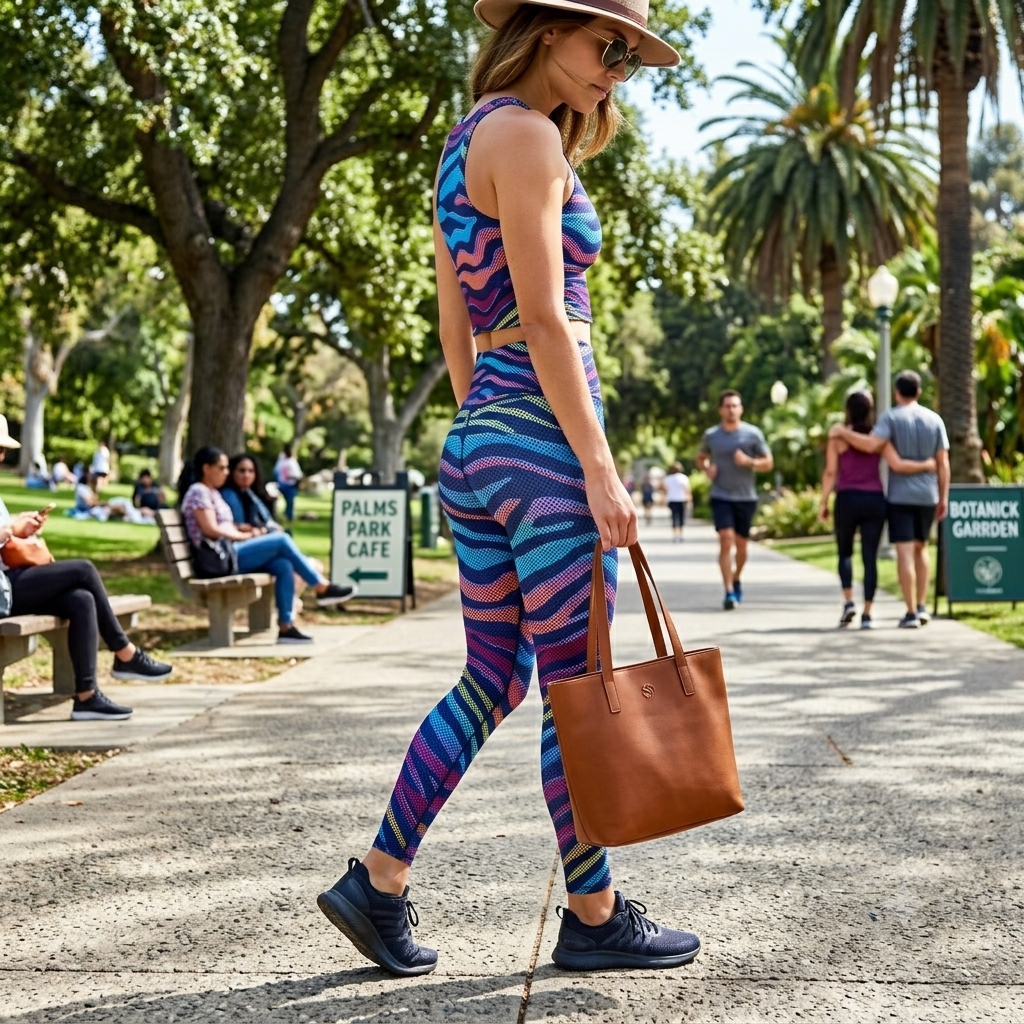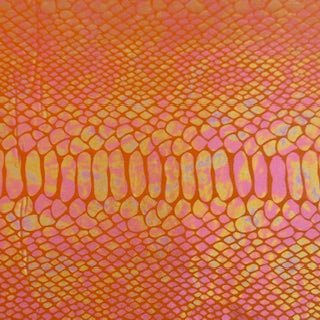

Hey there, DIY enthusiasts! 🧵 If you’ve ever tried to sew spandex and ended up with a tangled mess or popped seams, you aren't alone. Spandex is the "wild child" of the fabric world—stretchy, slippery, and sometimes a bit stubborn.
But don’t worry! LMO (Let’s Move On) to the solutions. Whether you're making leggings or swimwear, we’ve gathered the best tips for mastering elastic textiles.
1. What is the Best Stitch for Sewing Spandex?
Since the fabric stretches, your stitches need to stretch with it. If you use a standard straight stitch, the thread will snap the moment you pull the garment on.
-
The Winner: The Zig-Zag Stitch. It allows the thread to expand and contract.
-
The Pro Choice: If you have a serger (overlock machine), use a 4-thread overlock.
-
The Secret Weapon: The Lightning Bolt Stitch (stretch stitch) available on many modern machines.
2. What Kind of Needle Do You Need?
Using a universal needle is the fastest way to get skipped stitches. Spandex requires a needle designed to navigate its dense, elastic fibers.
-
Stretch Needles: These have a specially designed scarf to prevent skipped stitches.
-
Ball Point Needles: These have a rounded tip that pushes through fibers rather than cutting them.
3. What Presser Foot is Best?
If your fabric is getting "eaten" by the machine or rippling as you sew, it’s time to switch your gear.
-
Walking Foot: This is the gold standard. It feeds the top and bottom layers of fabric through the machine at the same rate, preventing "creeping."
-
Teflon Foot: Great if your spandex has a shiny or "sticky" coating.
4. What Tension Should I Use?
High tension is the enemy of elasticity.
-
Lower your needle tension slightly (try a setting between 2 and 3).
-
Pro Tip: Always test on a scrap piece of the exact fabric you are using before starting your main project!
5. Is There a "Trick" to Sewing Stretchy Fabric?
Yes! Aside from the right tools, it’s all about handling.
-
Don’t Pull: Never pull the fabric through the machine. Let the feed dogs do the work. If you stretch it while sewing, your seam will look like a wavy lasagna when you're finished.
-
Tissue Paper Hack: If your fabric is too slippery, place a piece of tissue paper underneath it while sewing, then tear it away afterward. It provides much-needed stability.
Best Tips for Success 🏆
-
Use Polyester Thread: It has more "give" than cotton thread, which is more prone to snapping.
-
Clean Your Machine: Spandex can be linty. A quick brush-out of the bobbin case goes a long way.
-
Pin Inside the Seam Allowance: Spandex shows holes easily; keep your pins close to the edge.