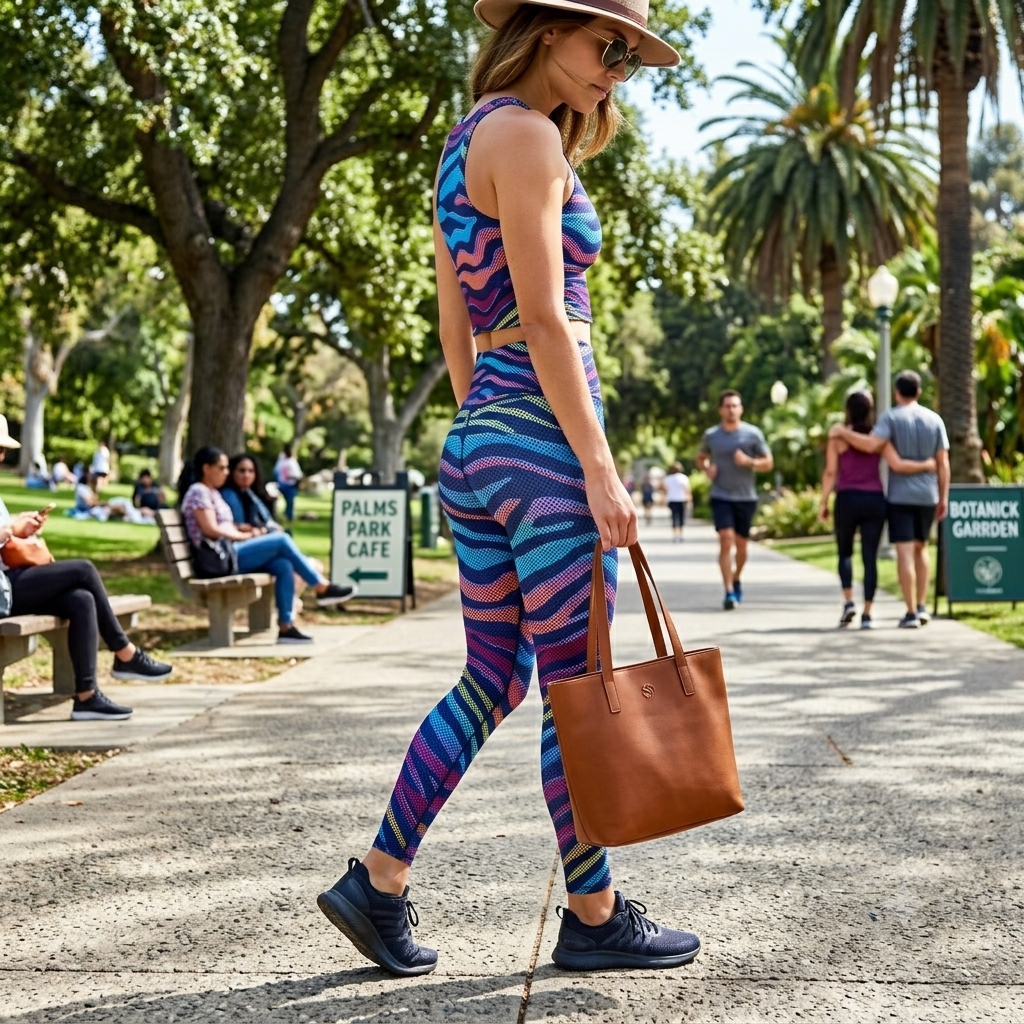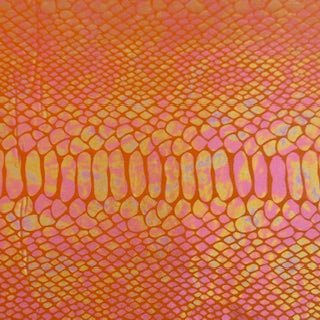

Whether you are designing a high-performance activewear line, creating show-stopping dance costumes, or simply looking to source the best materials for your next sewing project, understanding the nuances of stretch fabric is essential. With so many terms, blends, and weights on the market, choosing the right textile can feel overwhelming.
To help you navigate the world of flexible textiles, we have gathered and answered the top five most frequently asked questions about stretch fabric.
1. What is the difference between 2-way and 4-way stretch fabric?
Understanding how a fabric moves is the first step in selecting the right material for your garment.
-
2-Way Stretch: This fabric stretches in only one direction, which is typically crosswise (from selvedge to selvedge). It is suitable for garments that need a little give but do not require extreme flexibility.
-
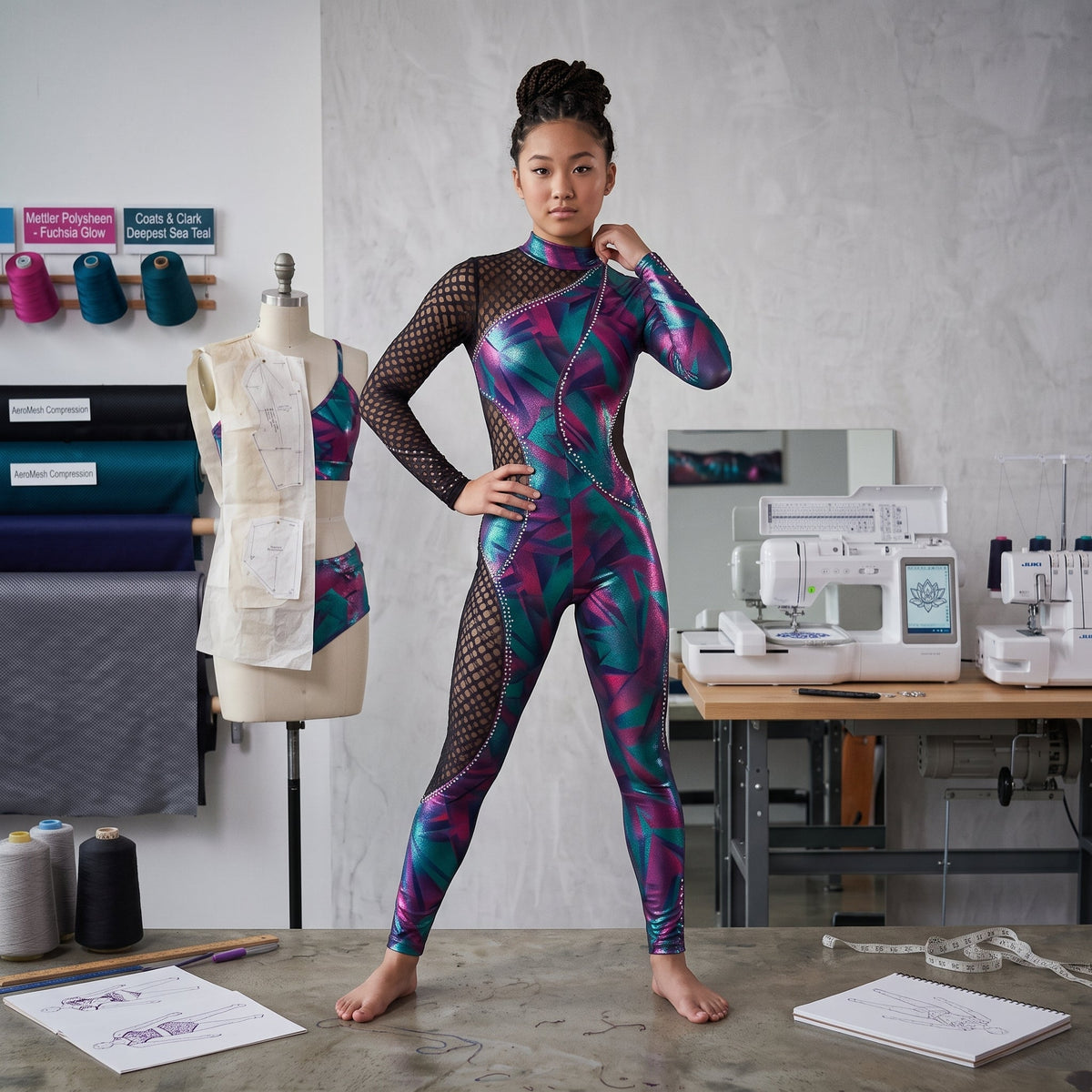
4-Way Stretch: This fabric expands both horizontally and vertically. Because it moves with the body in all directions, 4-way stretch is the gold standard and preferred choice for activewear, swimwear, dancewear, and form-fitting garments that demand maximum mobility and comfort.
2. What is the difference between Nylon Spandex and Polyester Spandex?
When shopping for performance fabrics, you will most often choose between these two popular blends.
-
Nylon Spandex: Renowned for its luxurious, incredibly soft hand-feel, Nylon Spandex is highly sought after by premium activewear brands. It is lightweight, breathable, and offers excellent moisture-wicking properties.
-
Polyester Spandex: This blend is highly durable, retains color beautifully, and is slightly more affordable. Importantly, Polyester Spandex is the industry standard for sublimation and digital printing, making it the go-to choice for custom-patterned apparel.
3. What is the best stretch fabric for leggings and activewear?
The ideal fabric for leggings must balance comfort, support, and durability. The best choice is consistently a 4-way stretch blend (either Nylon or Polyester mixed with a high percentage of Spandex). However, the secret lies in the fabric's weight or GSM (Grams per Square Meter). For leggings that offer excellent compression and support while maintaining shape during rigorous workouts, look for medium to heavy-weight fabrics.
4. How do I prevent stretch fabric from becoming see-through?
A common pain point in the apparel industry is "sheering out," which occurs when a fabric stretches over the body and becomes transparent. The solution is entirely dependent on the fabric's density. To ensure your garments remain completely opaque and "squat-proof," experts recommend using bottom-weight fabrics with a GSM of at least 220 to 250. Choosing a high-density knit ensures the structural integrity of the fabric remains intact, even under maximum tension.
5. What is the difference between stretch and recovery?
A high stretch percentage is useless if the fabric cannot maintain its original shape.
-
Stretch (Elasticity): This refers to how far the fabric can extend under tension.
-
Recovery: This is the fabric's ability to quickly snap back to its original dimensions without permanent deformation, sagging, or bagging at the knees and elbows. Premium stretch fabrics are engineered for optimal recovery, ensuring your garments look brand new, wear after wear.