News

Elevate Your Activewear: The Power of Moisture-Wicking & Sculpting Fabrics
This article highlights the two most in-demand fabric technologies driving the modern athleisure market:
-
Moisture-Wicking Fabrics: Breathable technical knits are essential for regulating body temperature and managing sweat, making them perfect for clothing that transitions seamlessly from workouts to daily wear.
-
Compression & Sculpting Blends: Premium nylon spandex and high-spandex blends offer targeted support and a flattering, sculpted fit for activewear like leggings and sports bras without restricting flexibility.
Ultimately, integrating these advanced, supportive, and temperature-regulating textiles is crucial for designers looking to meet consumer expectations for high-performance apparel
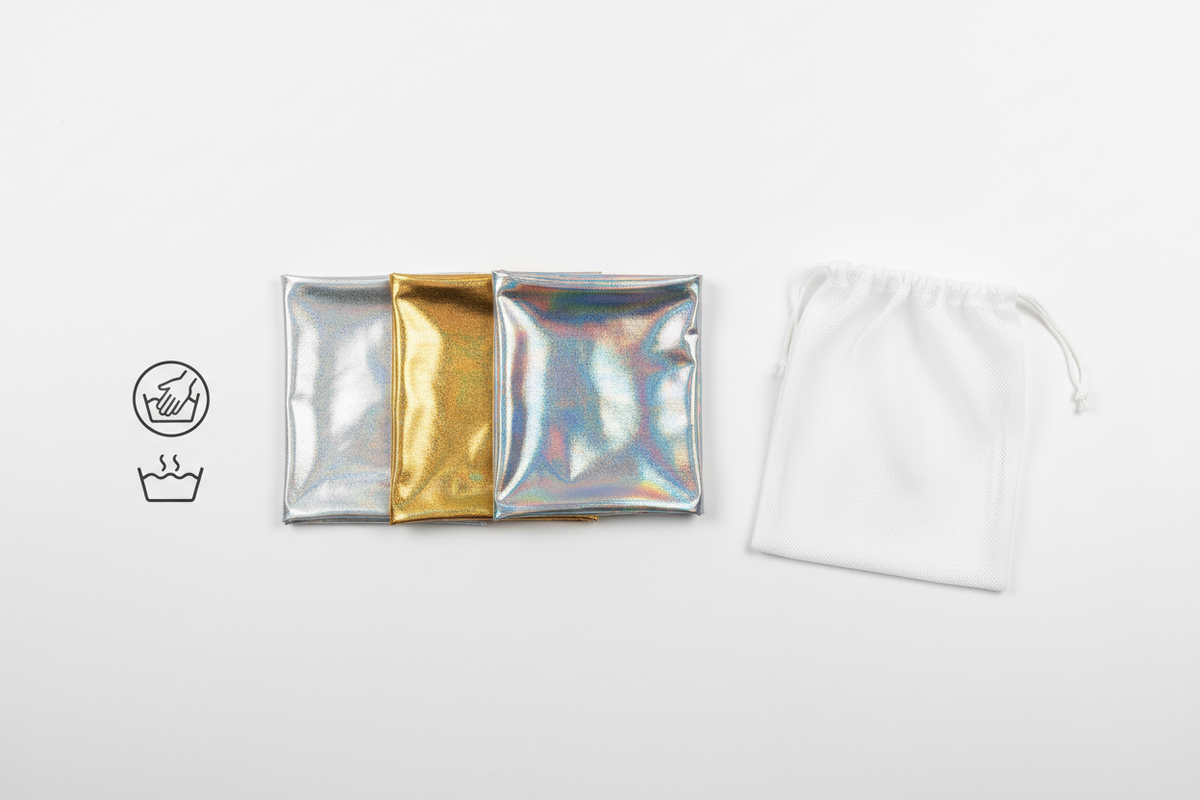
How to Wash and Care for Foil & Hologram Spandex Fabrics
A Final Note from Spandex Palace: Because foil and hologram designs are topical surface finishes, it is completely normal for them to experience some dulling over time at high-friction points (like under the arms or the seat). However, by following this care guide, you will significantly extend the life, stretch, and brilliance of your favorite fabrics!
Ready to start your next sparkly project? Browse our premium Foil & Hologram Spandex collections today at Spandex Palace!
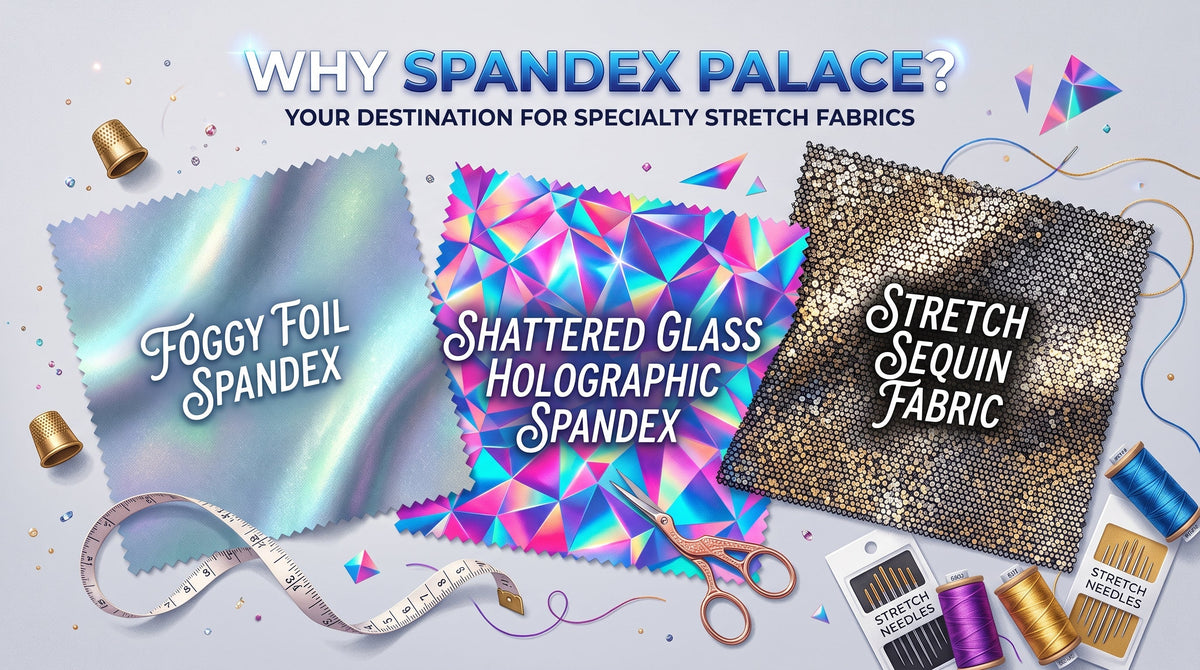
Why Spandex Palace? Finding the Perfect Stretch in a Crowded Market
Finding the right stretch fabric shouldn’t mean settling for stiff materials, weak recovery, or endless bulk minimums.
Spandex Palace bridges the gap between commercial-grade fabric performance and maker-friendly flexibility. Whether you need the dreamy shimmer of Foggy Foil, the eye-popping brilliance of Shattered Glass, or the timeless drama of Sequins, your creations deserve fabric that works as hard—and shines as bright—as you do.
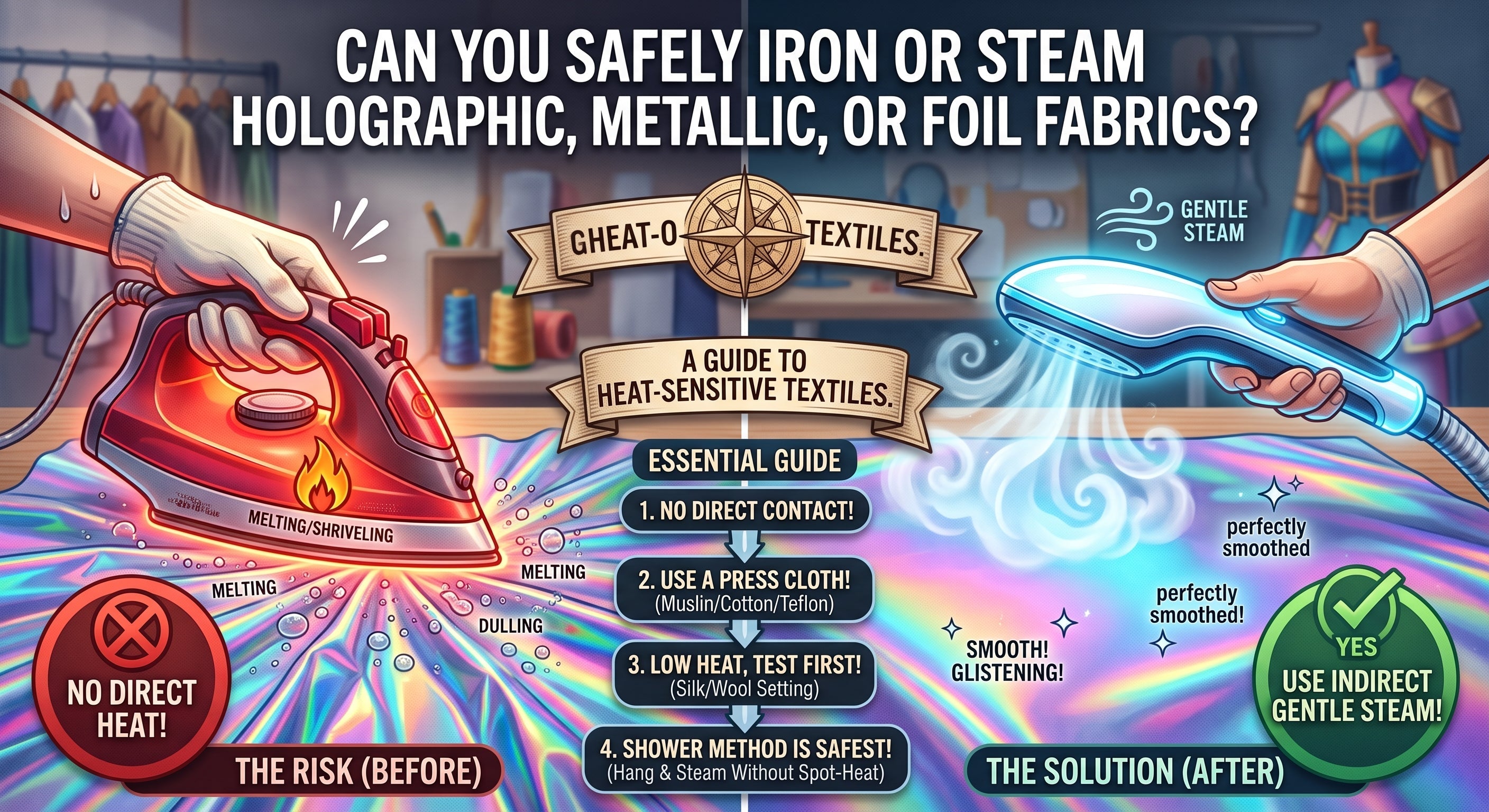
Can You Safely Iron or Steam Holographic, Metallic, or Foil Fabrics?
Working with high-shine specialty fabrics requires patience and temperature awareness. By keeping your heat extremely low, protecting the foil surface with a pressing cloth, and keeping your steamer at a safe distance, you can keep your performance wear looking pristine and brilliantly shiny. When your project demands the highest quality reflective textiles, starting with premium materials makes all the difference. Established in Los Angeles in 1992, Spandex Palace—a division of Payman Fabrics—provides the professional-grade metallic, foil, and hologram spandex trusted by expert designers for flawless, show-stopping costumes.
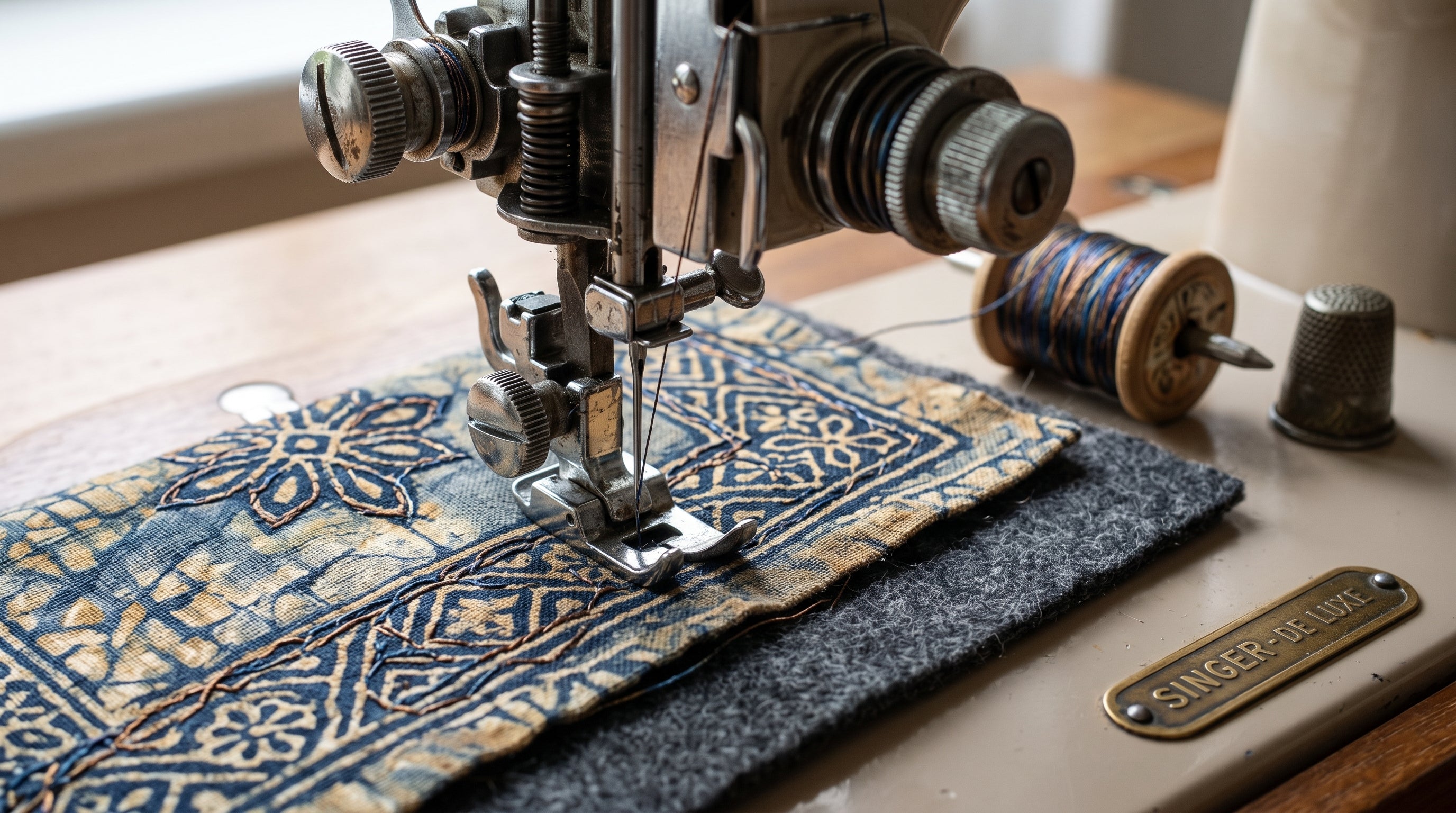
Why is My Sewing Machine Eating My Spandex? (The Fabric-Sucking Problem)
Is your sewing machine eating your spandex? Discover the hidden reasons why your machine swallows stretch fabrics, and learn 4 professional tricks—including the ultimate tissue paper hack—to sew your next project smoothly and jam-free.
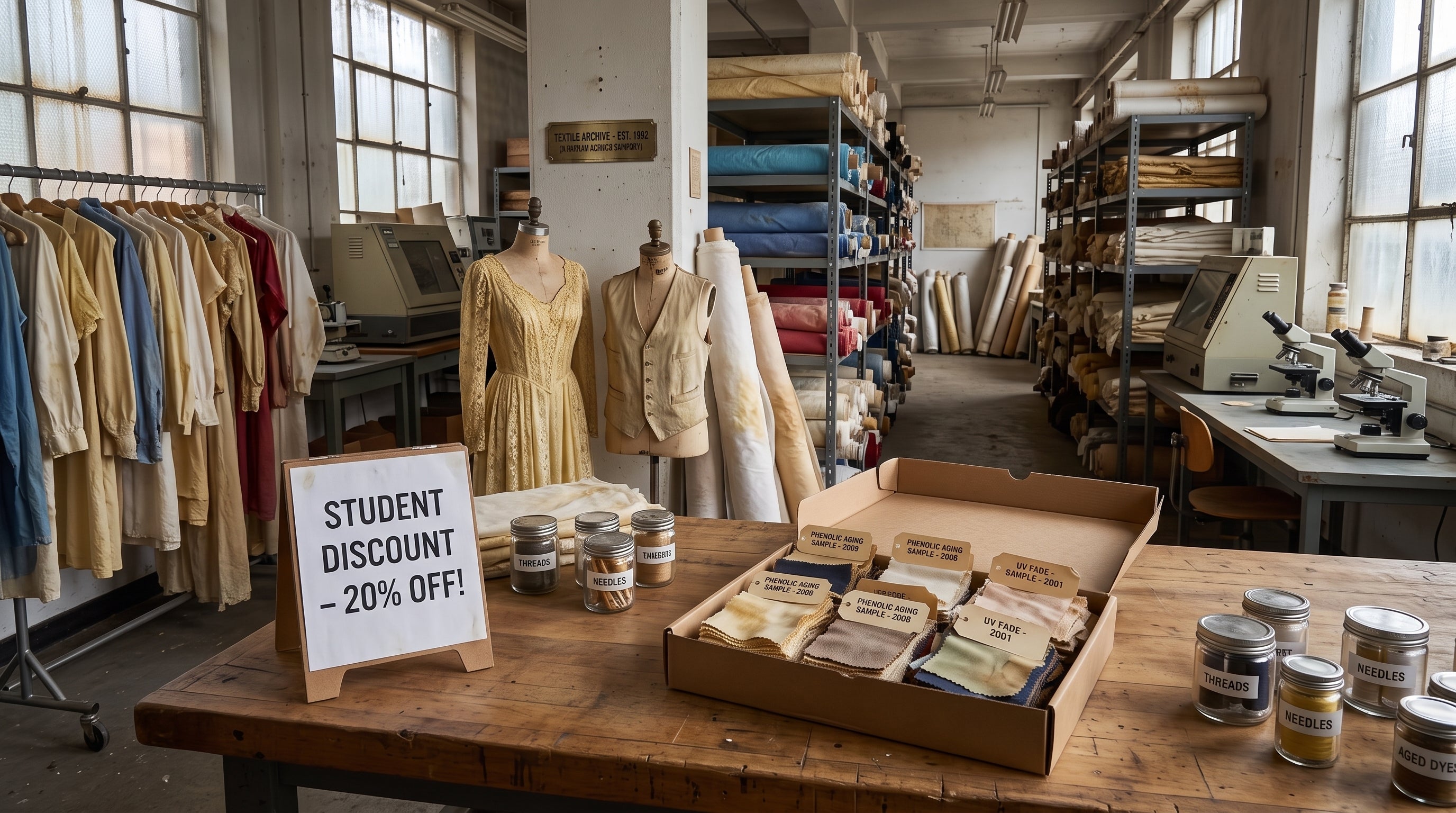
Why Does White Spandex Turn Yellow in Storage? (And How to Prevent It)
Protect your fabric investments. In this guide, we break down the science behind phenolic yellowing, UV degradation, and chemical residue, plus provide actionable steps on how to properly store your 4-way stretch fabrics so they stay flawless.
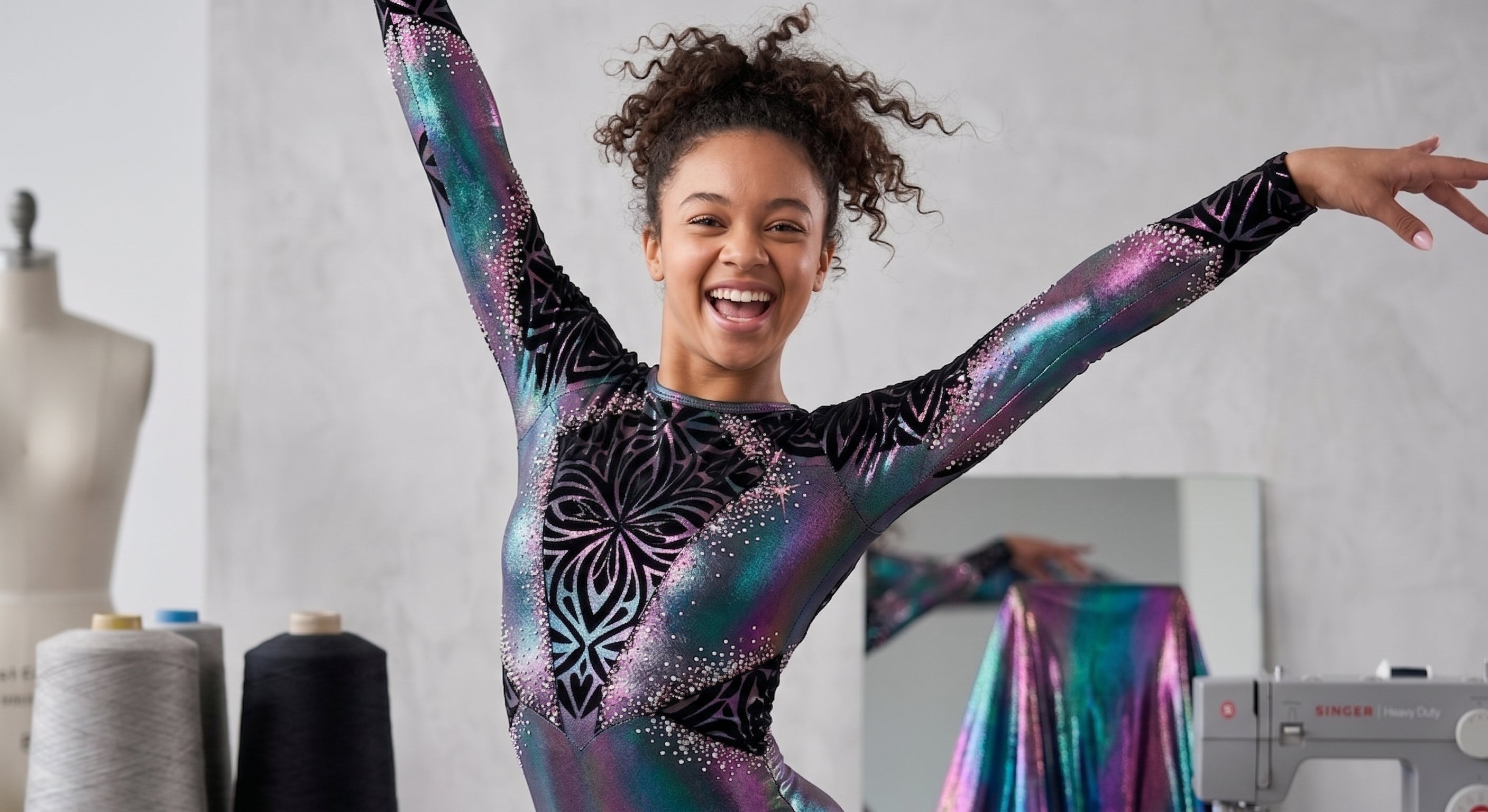
2026 Swimwear & Cosplay Trends for Fashion Students
Ready to bring your designs to life? Discover the essential 2026 trends in swimwear and cosplay, learn how to select the best 4-way stretch fabrics, and master 5 pro sewing techniques to prevent snapped seams and puckering. Plus, learn how students can save 20% on yardage.
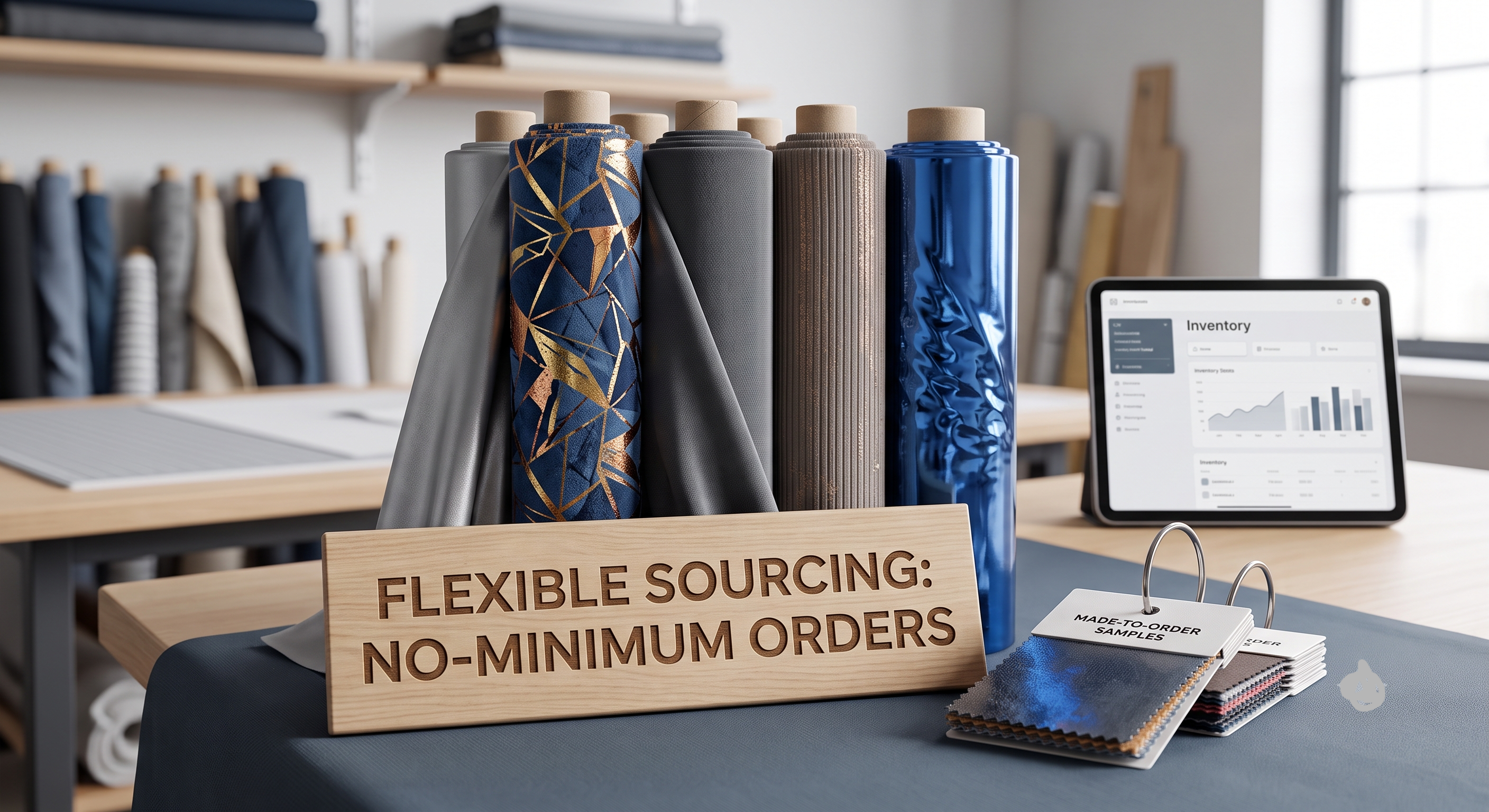
Starting Small: How to Buy Fabric Without Stressful MOQ Limits
Executive Summary & Key Takeaways
-
The MOQ Barrier: Traditional 500+ yard minimums force made-to-order brands into inventory risk and excess overhead.
-
Agile Sourcing Solutions: Made-to-order brands can bypass high MOQs by partnering with in-stock wholesale distributors, utilizing designer deadstock for limited drops, or leveraging low-MOQ digital sourcing platforms.
-
Prioritize Continuity: For permanent MTO collections, always verify that low-minimum fabrics are part of a re-orderable open line with stable colorways and consistent GSM weights.
-
Strategic Growth: Begin with 1-to-5-yard sample cuts for prototype validation, then transition to single-roll wholesale purchasing as your on-demand order volume increases.
Partner With Spandex Palace for Low-Minimum & Agile Sourcing
When your made-to-order brand requires flexible sourcing without sacrificing commercial-grade quality, partner with Spandex Palace. Operating in the Los Angeles fashion district since 1992, Spandex Palace offers extensive, in-stock collections of performance stretch fabrics, specialty velvets, power meshes, and novelty knits—providing flexible cut yardage, low minimums, and rapid turnaround times to support your production calendar from initial swatch to final stitch.