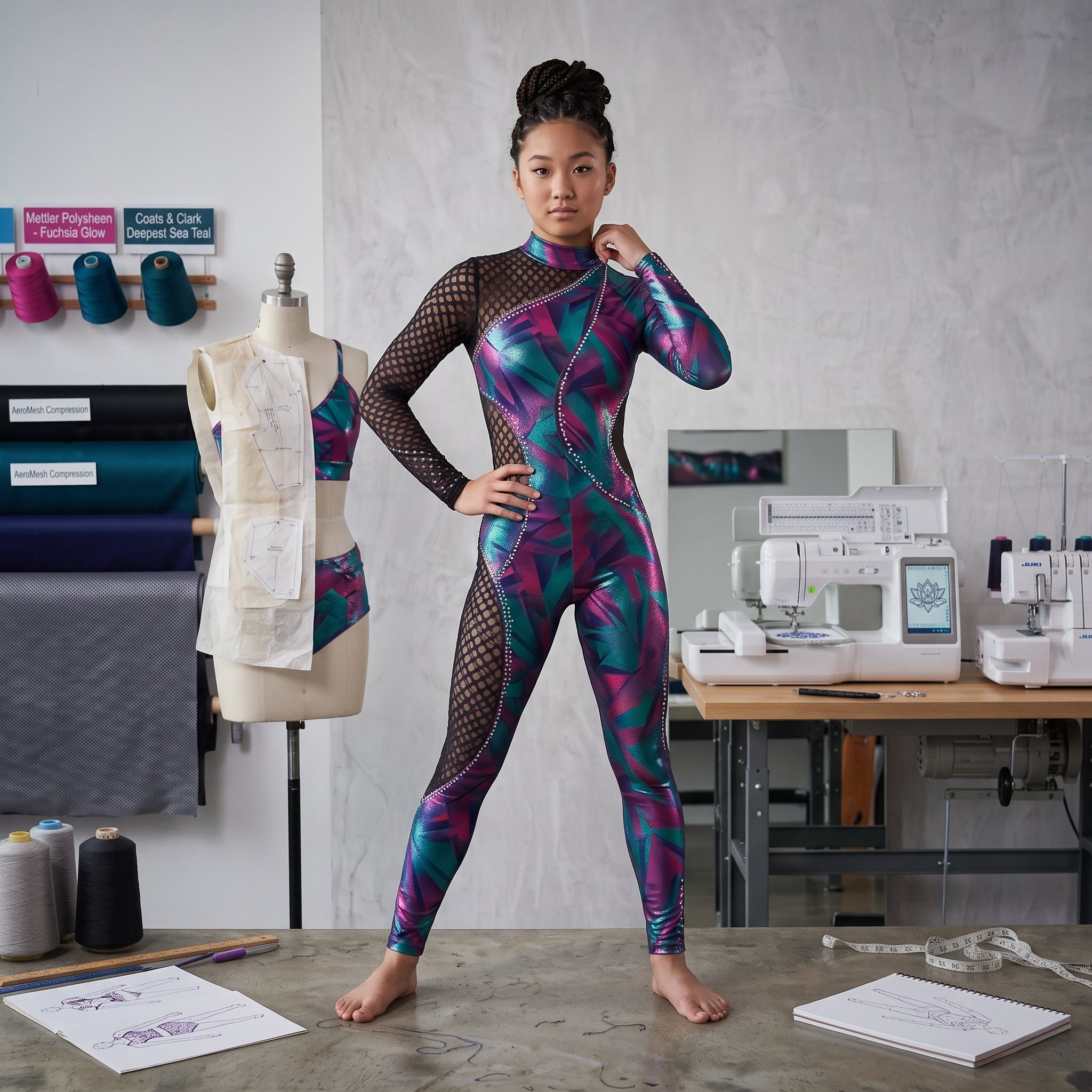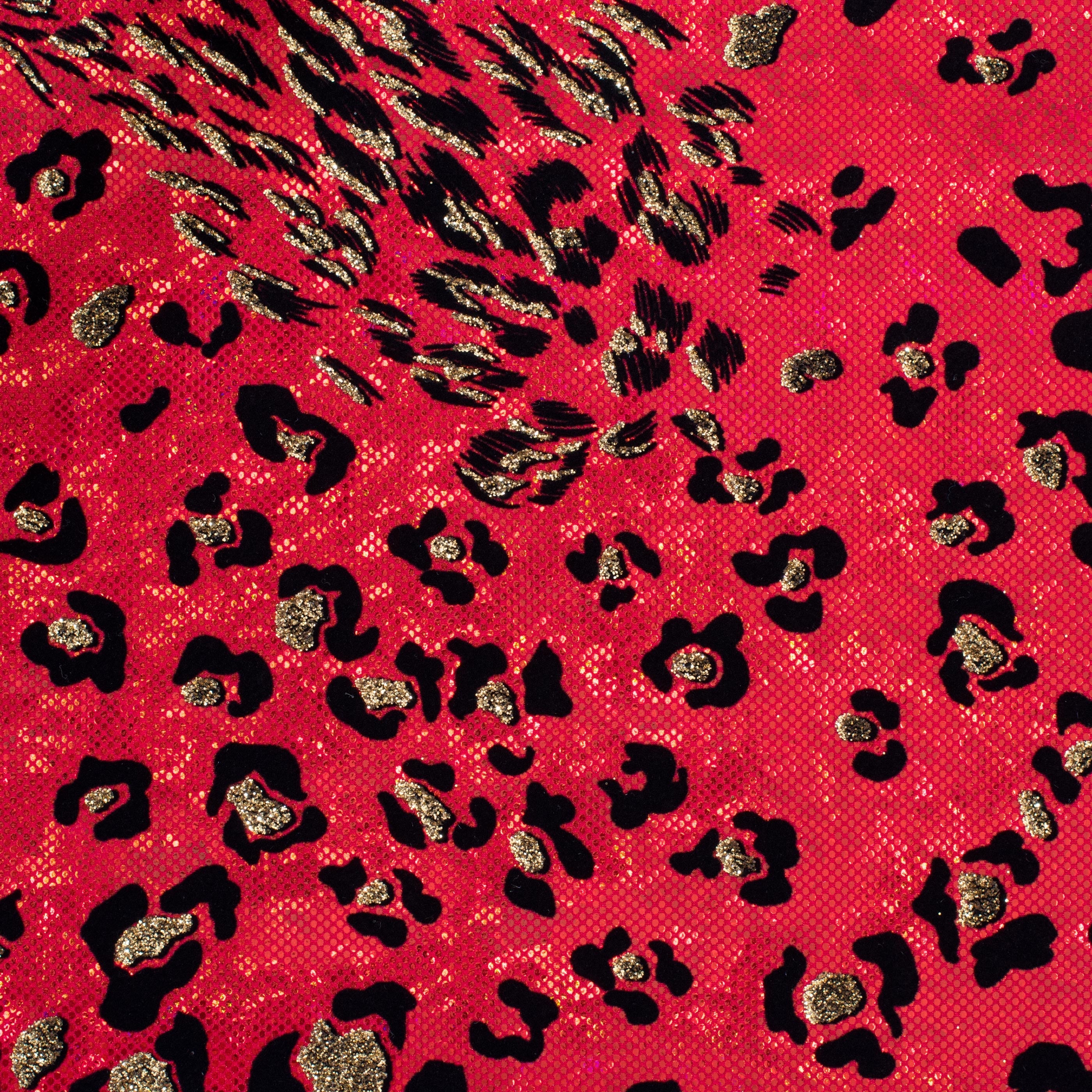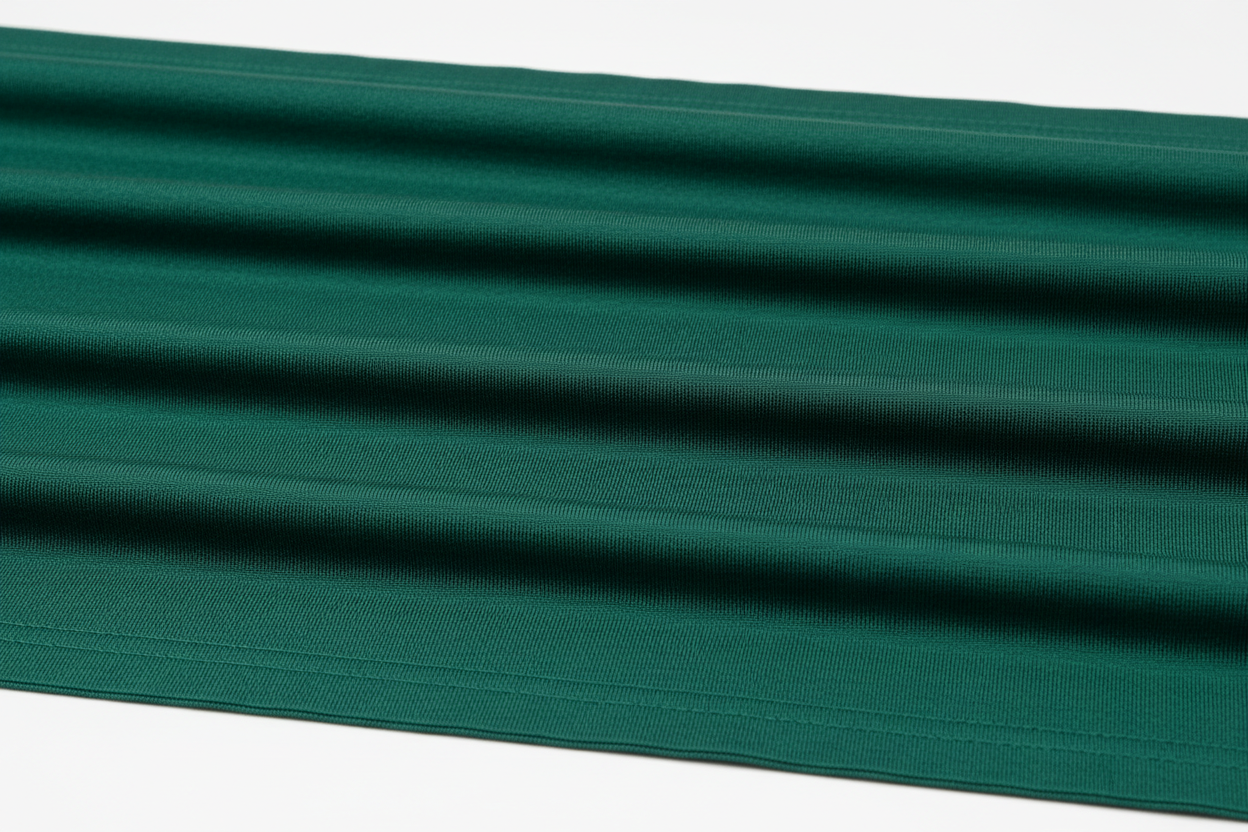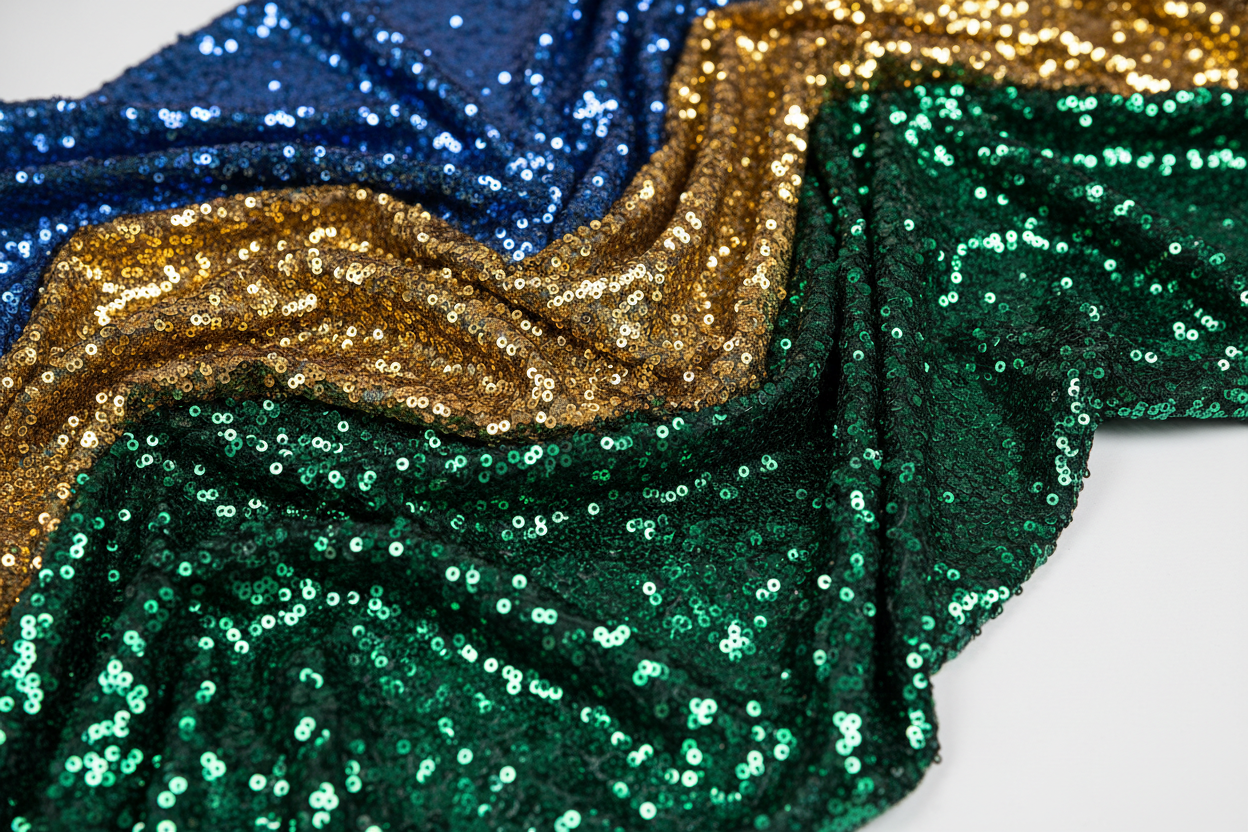
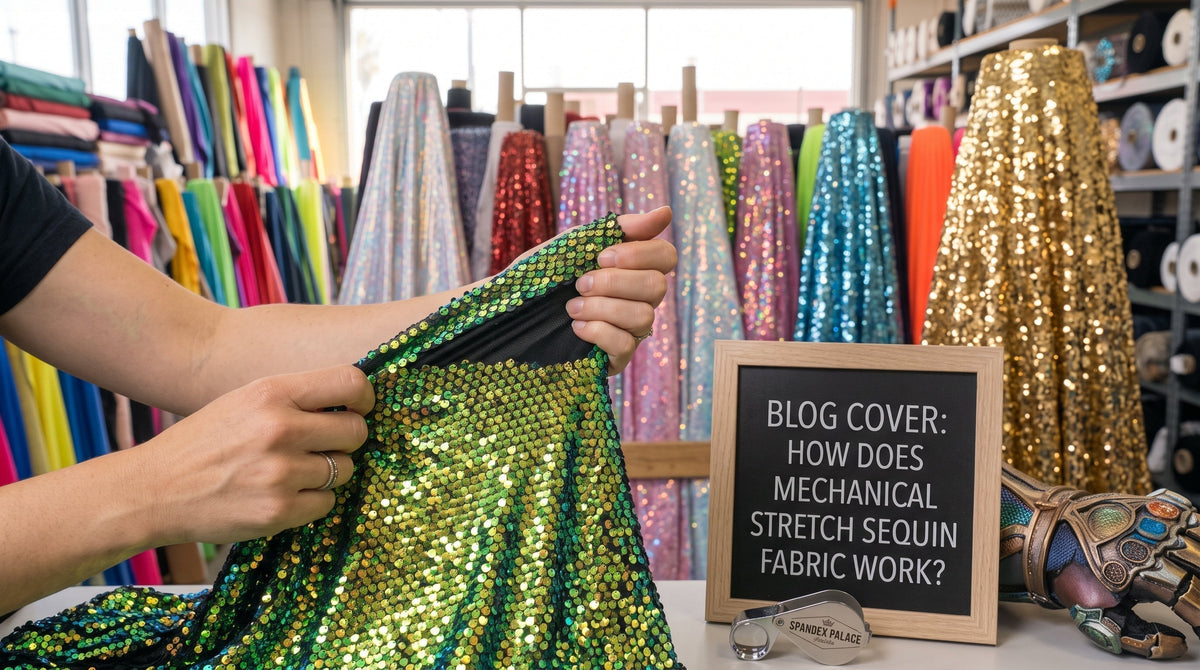
When designing a form-fitting garment that requires intense physical movement—like a figure skating dress, a dance costume, or a superhero cosplay—standard sequin fabrics often fail. Traditional sequins are sewn onto rigid, woven backings that restrict motion and snap under pressure. To achieve both dazzling shine and athletic mobility, designers turn to mechanical stretch sequin fabric.
Here is exactly what makes this material unique and how it functions on the body.
The Secret Behind the Stretch
Sequins themselves are made of rigid plastic or metal. They do not stretch, bend, or expand. The elasticity of a sequin fabric relies entirely on the base material to which the sequins are attached.
-
Traditional Sequins: Sewn onto woven bases like taffeta or non-stretch mesh. These offer zero give and are strictly for loose, structured garments.
-
Mechanical Stretch Sequins: Sewn onto a specialized knit base, typically a spandex or Lycra blend. The term "mechanical stretch" refers to how the underlying fibers are knitted together to create elasticity, allowing the fabric to expand seamlessly.
How Mechanical Stretch Sequin Fabric Moves
The primary advantage of this textile is its reliable 4-way stretch. This means the fabric expands both horizontally (across the body) and vertically (up and down), accommodating complex movements.
-
Dynamic Expansion: As the wearer moves, the spandex-blend backing stretches. The sequins, which are usually stitched in a specific overlapping pattern, shift slightly apart to allow the base fabric to expand without snapping the threads.
-
High Recovery: Movement is only half the equation. "Recovery" is a fabric's ability to snap back to its original shape after being stretched. High-quality mechanical stretch sequins feature excellent recovery, preventing the garment from becoming baggy or warped at the knees and elbows after a long performance.
-
Comfort and Breathability: Because the backing is often a stretch knit or power mesh, these fabrics remain breathable and contour smoothly against the skin, eliminating the stiffness associated with heavy, woven sequin gowns.
Best Uses for Mechanical Stretch Sequins
Because of its superior mobility and light-catching properties, this fabric is the industry standard for specific high-performance applications:
-
Competitive Dancewear: Leotards and unitards that require full lung expansion and deep lunges.
-
Mermaid Tails: Form-fitting aquatic cosplays that require a scale-like appearance with total flexibility.
-
Pageant and Drag Gowns: Skin-tight, floor-length silhouettes that still allow the wearer to walk and perform comfortably.
Achieving a flawless fit with sequined garments requires materials that offer both brilliant shine and reliable recovery. Standard woven sequins will restrict movement, while high-quality mechanical stretch textiles allow for complete freedom. Sourcing professional-grade materials ensures your costumes hold up under the physical demands of performance. Established in Los Angeles in 1992, Spandex Palace—a division of Payman Fabrics—supplies the premium mechanical stretch sequins that professional cosplayers, dancers, and designers trust to bring their dynamic builds to life.