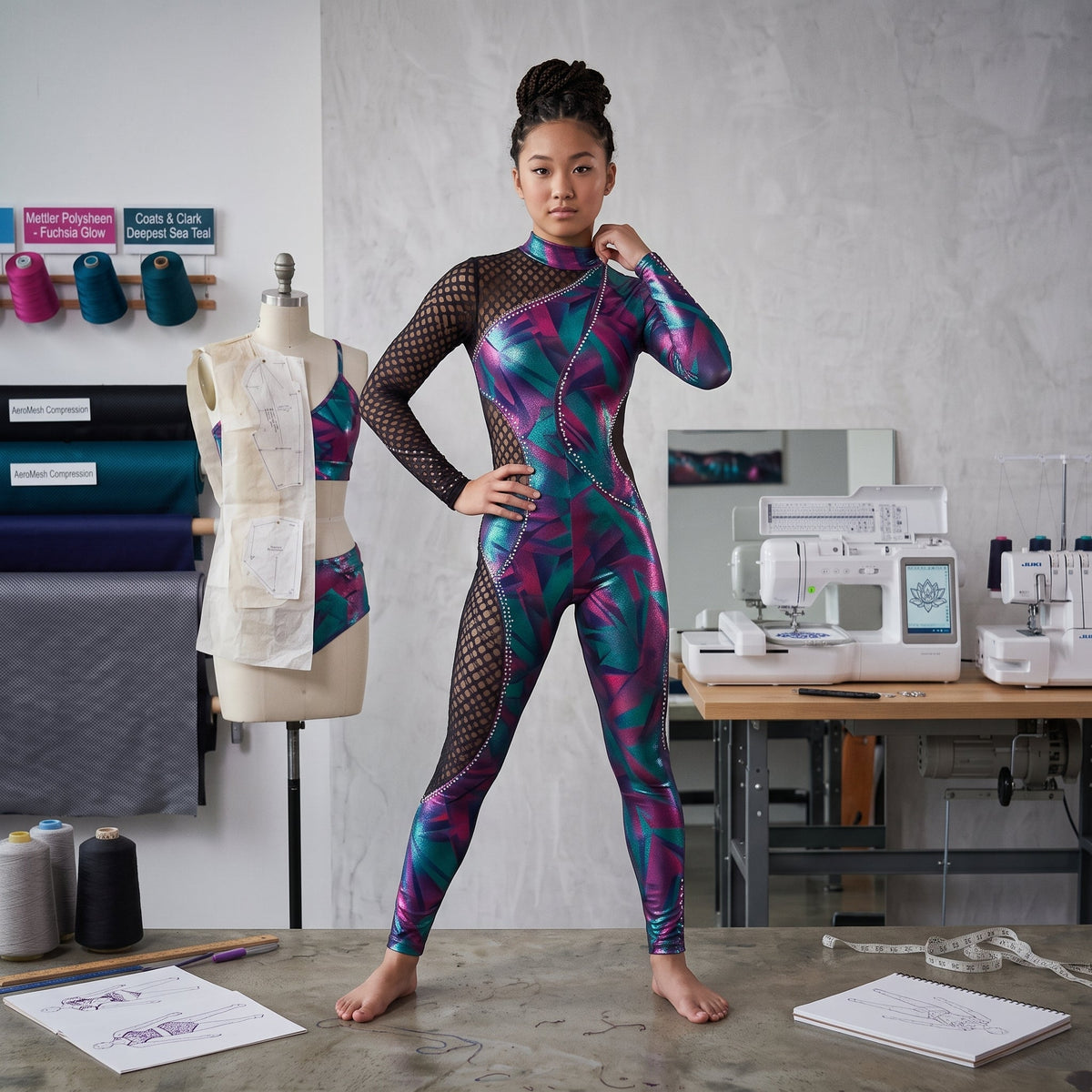
Modern apparel design demands a flawless intersection of high-fashion aesthetics and athletic performance. Whether you are building a senior thesis collection or launching your first independent label, mastering performance textiles is a non-negotiable skill.
Here is your comprehensive guide to navigating 2026's biggest trends, selecting the right fabrics, and executing flawless construction.
2026 Design Trends: What to Build Your Collection Around
-
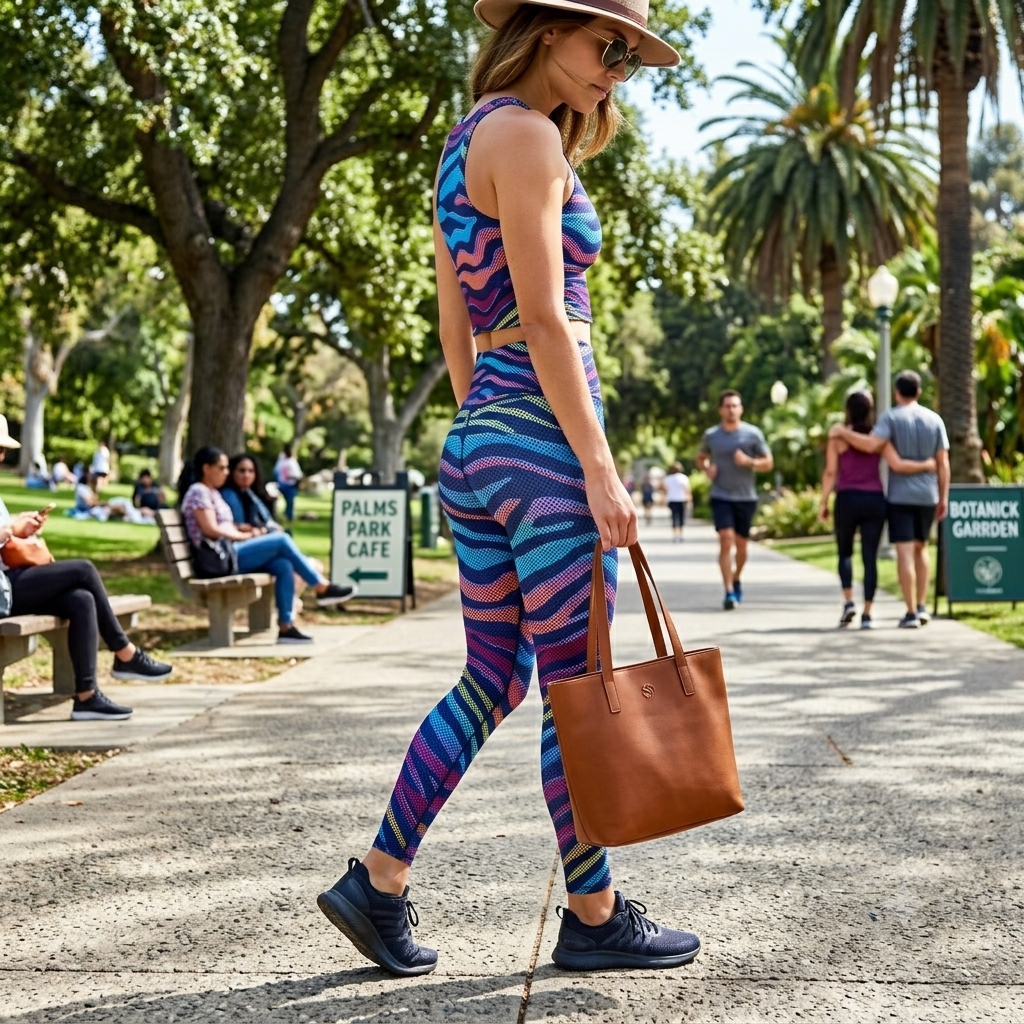
The Activewear Crossover: Swimwear is aggressively borrowing from athletic silhouettes. Expect to see a rise in compression stretch designs, breathable mesh panels, and sporty, structured cuts that provide maximum support without sacrificing style.
-
Textured & Layered Aesthetics: Flat designs are out. The industry is moving toward dynamic layering, combining sheer power mesh overlays with bold, solid-color bases to create depth and movement.
-
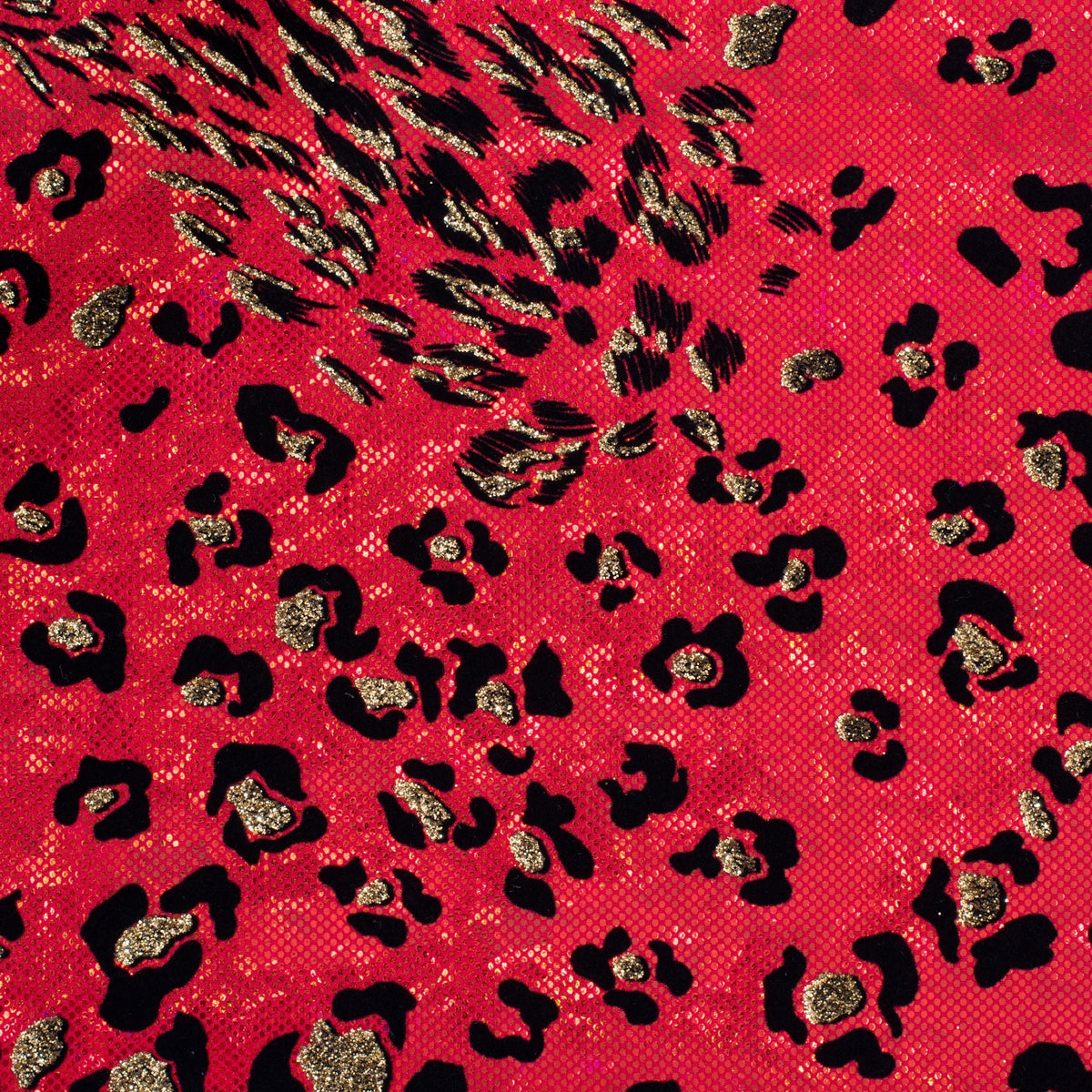
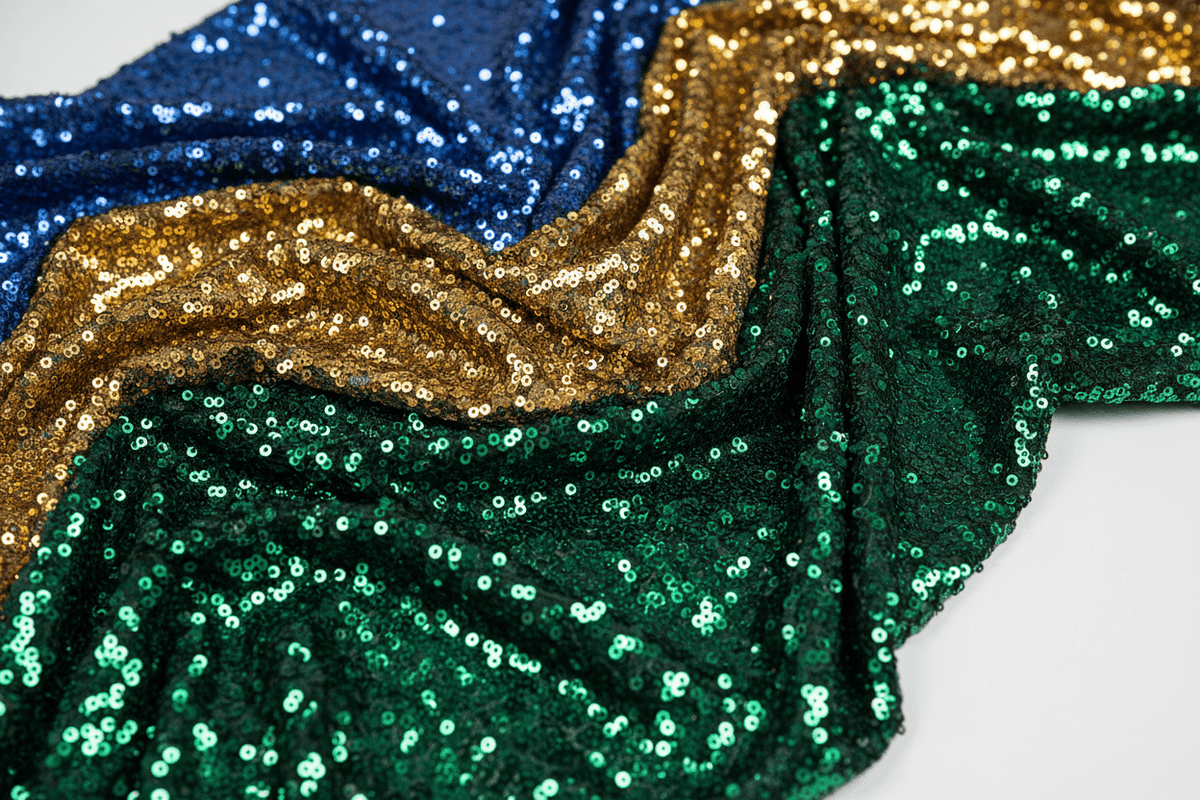
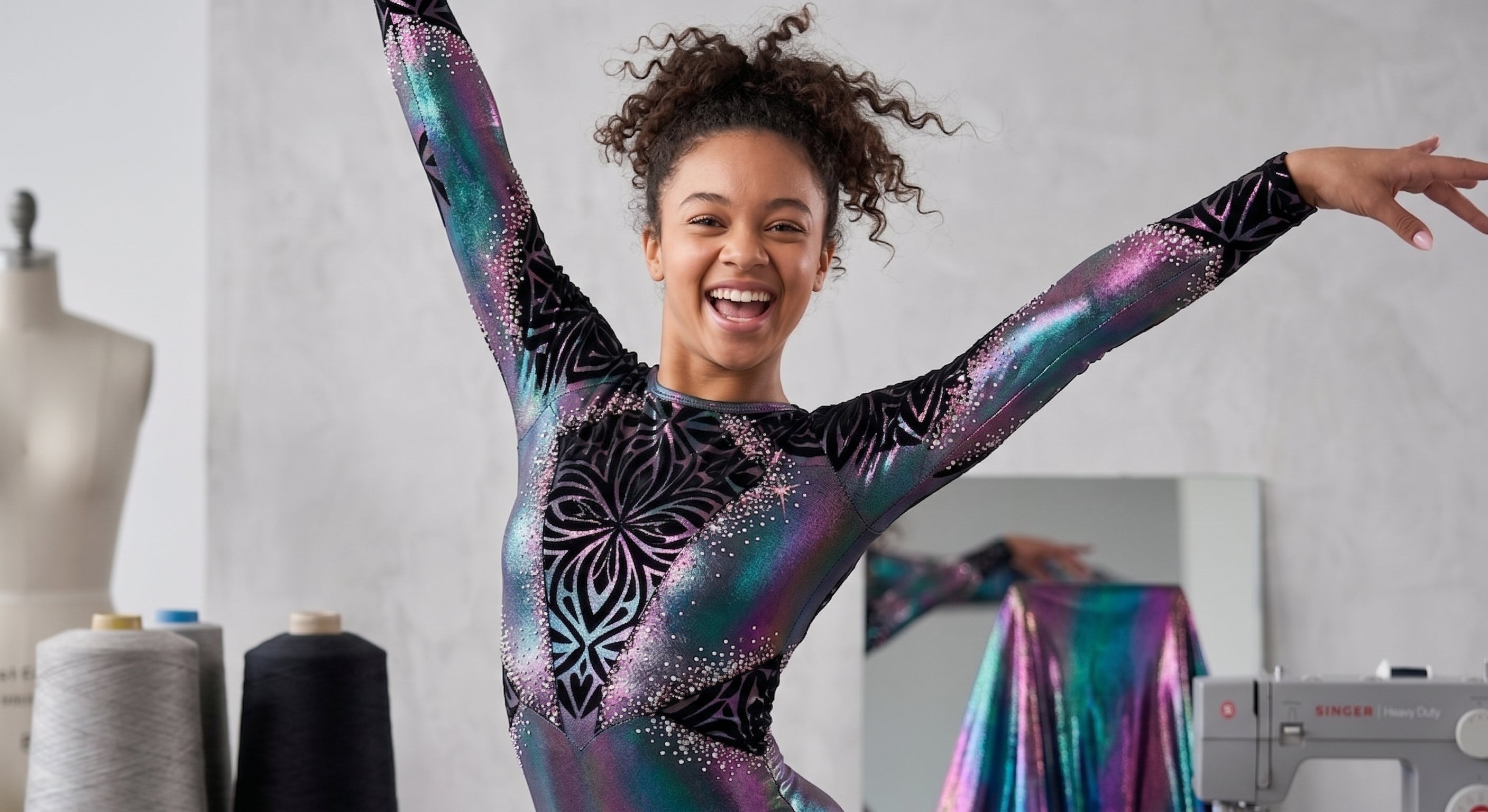
High-Impact Embellishments: For both stage costumes and high-end cosplay, statement materials are taking center stage. Hologram prints, metallic foils, and sequin fabrics are essential for creating dynamic armor bases and eye-catching dancewear.
Fabric Selection: Match the Material to the Garment
Choosing the right base textile dictates how your final garment will drape, stretch, and recover.
-
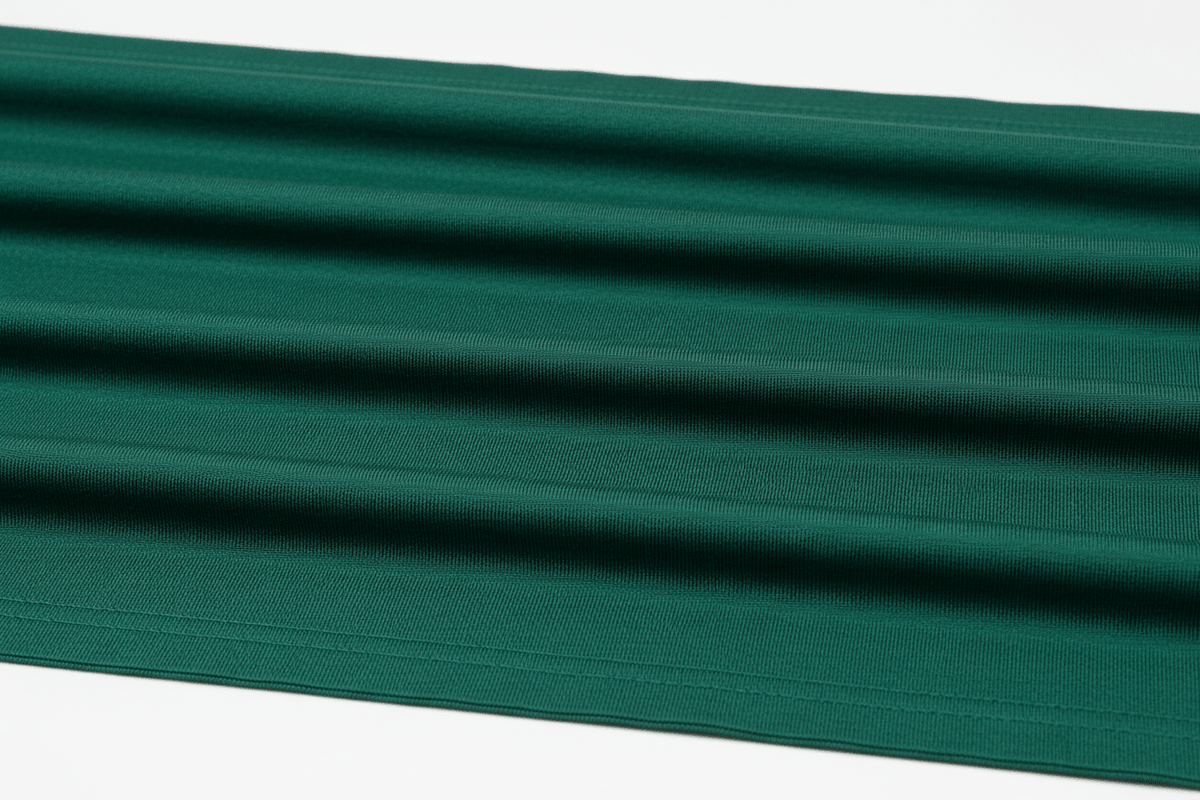
Nylon Spandex: The gold standard for premium swimwear and dancewear. Nylon provides an incredibly soft hand-feel and superior stretch recovery, ensuring garments retain their shape even after rigorous movement or water exposure.
-
Polyester Spandex: The workhorse of performance fabrics. Polyester is highly durable, holds vibrant dye sublimation prints beautifully, and is highly resistant to chlorine and UV fading.
-
Structural Accents: Not every piece of a garment needs to stretch. When building cosplay armor, corsets, or structured paneling, contrast your 4-way stretch bases with rigid materials. For example, utilizing a non-stretch 3D poly spandex faux leather adds incredible architectural structure and visual contrast to a piece.
5 Essential Sewing Techniques for Stretch Fabrics
Working with stretch textiles requires a specific approach to prevent popped seams, skipped stitches, and warped hems.
-
Never Pull the Fabric: Pushing or pulling the material through the machine causes permanent warping and wavy seams. Let the feed dogs gently guide the fabric at their own pace.
-
Use the Right Needle: A ballpoint or stretch needle is mandatory. These needles are designed with rounded tips to part the knit fibers instead of piercing and breaking them, which prevents runs and tears.
-
The Zig-Zag Stitch: If an overlocker or serger isn't available, rely on a narrow zig-zag stitch or a built-in stretch stitch. This allows the seam to move and expand with the fabric without snapping.
-
Avoid Cotton Thread: Always sew with 100% polyester thread. Polyester has natural give, whereas rigid cotton thread will snap instantly under the tension of a 4-way stretch garment.
-
Leverage Machine Capability: Precision matters when dealing with slippery or thick layers. Upgrading to advanced equipment, such as SINGER Heavy Duty or computerized sewing machine models, ensures you can handle dense fabrics and delicate knits with consistent tension and perfect stitch quality.
Sourcing Your Senior Collection
Finding reliable, high-quality textiles on a tight student timeline can be stressful. Established in 1992, Spandex Palace (a Payman Fabrics company) has been a trusted supplier for creators, designers, and students for decades.
We make sourcing easy for fashion students:
-
Swatch Program: Always test your drape and color match by ordering swatches of our in-house fabrics before committing to yardage.
-
Student Discount: Designing a collection is expensive. We offer a dedicated 20% discount specifically for fashion students.
-
Fast Fulfillment: Facing a critique deadline? We offer fast 2-day and priority shipping options nationwide, plus a convenient local pickup option at our Los Angeles showroom.