News

The Upgrade Your Activewear Needs: Why Premium Nylon & Poly Spandex Fabrics Are Taking Over
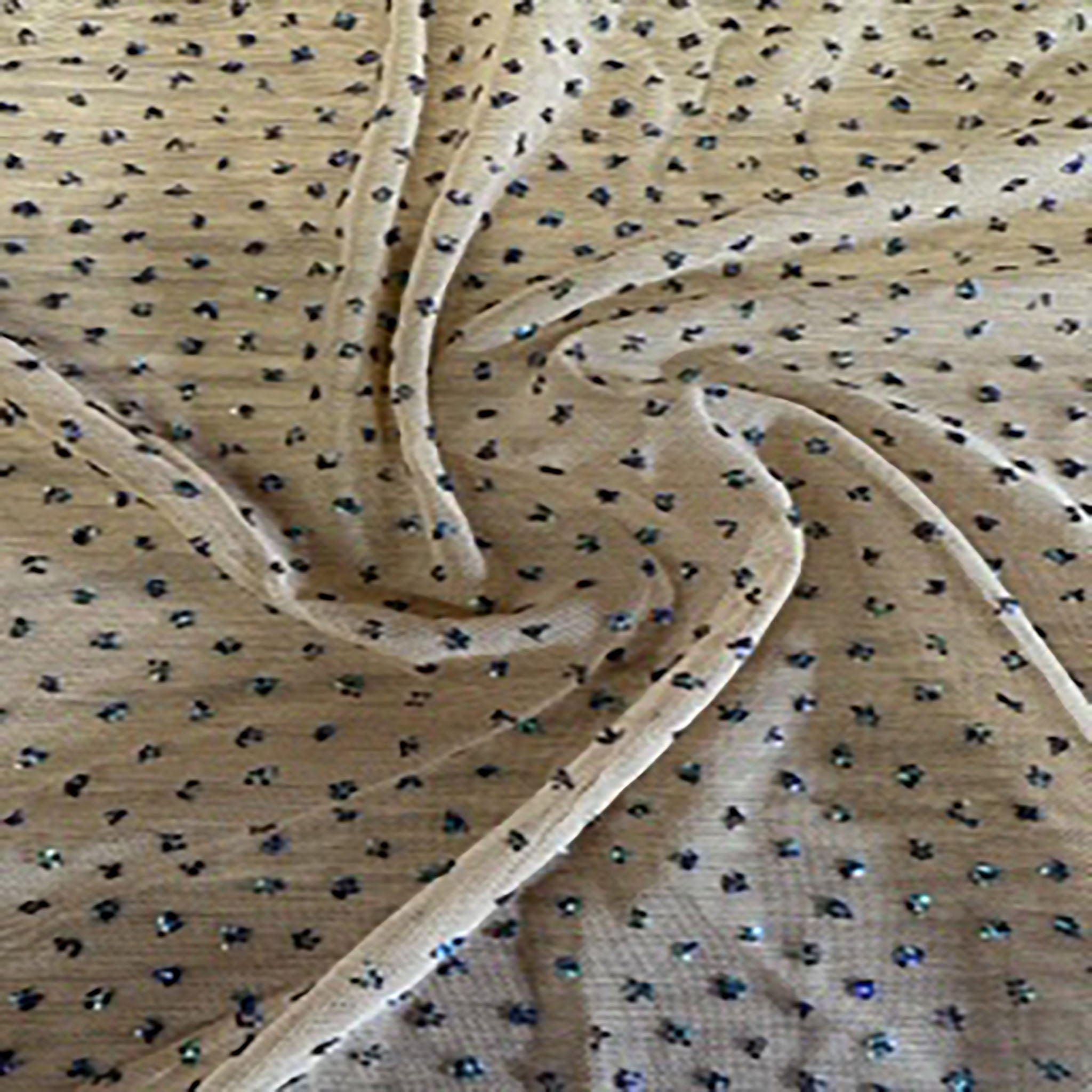
Designing activewear that truly resonates with today's market means prioritizing how the fabric feels and functions in the real world. By swapping out outdated, cheap synthetics for high-performance nylon and polyester spandex, you instantly elevate the quality of your entire collection. Your customers will feel the premium difference the moment they put it on, enjoying gear that works hard, breathes easy, and looks pristine wear after wear.
The Ultimate Guide to Costume and Cosplay Fabrics: What to Choose for Your Next Build
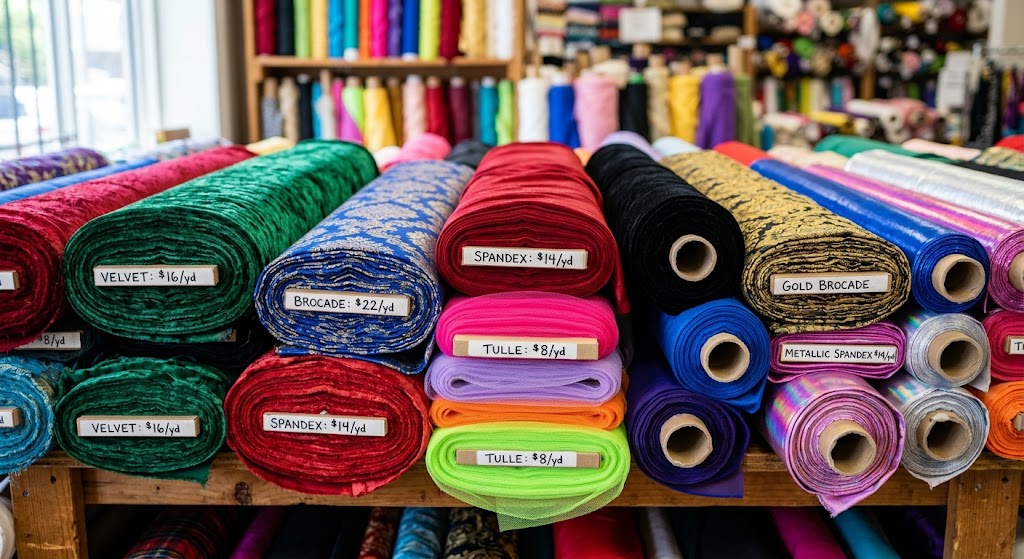
Choosing the right cosplay fabric is an art form in itself. By matching the fabric's weight, stretch, and texture to your character's design, you elevate your costume from a simple Halloween outfit to a true masterpiece. Always remember to check if you need 2-way or 4-way stretch, prioritize your comfort and breathability for long convention days, and don't be afraid to mix textures for a more realistic, dynamic look.
How to Wash and Care for Foil & Hologram Spandex Fabrics
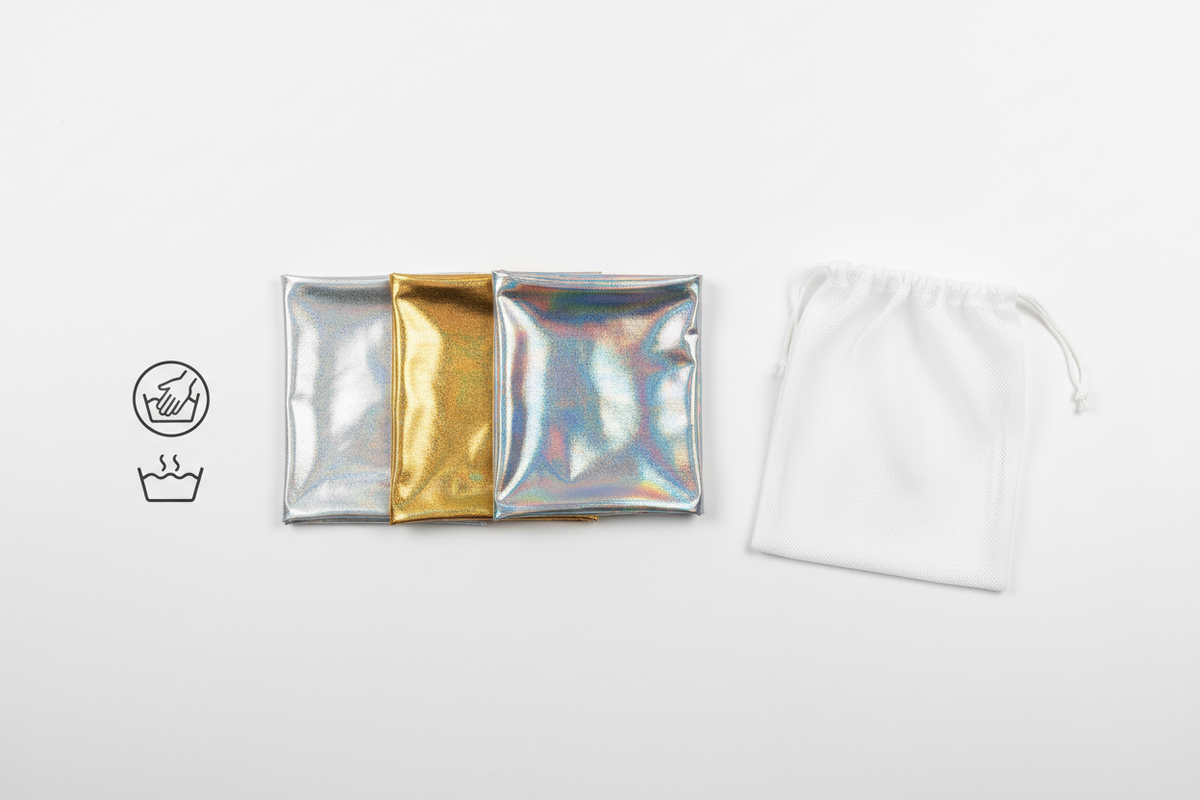
A Final Note from Spandex Palace: Because foil and hologram designs are topical surface finishes, it is completely normal for them to experience some dulling over time at high-friction points (like under the arms or the seat). However, by following this care guide, you will significantly extend the life, stretch, and brilliance of your favorite fabrics!
Ready to start your next sparkly project? Browse our premium Foil & Hologram Spandex collections today at Spandex Palace!
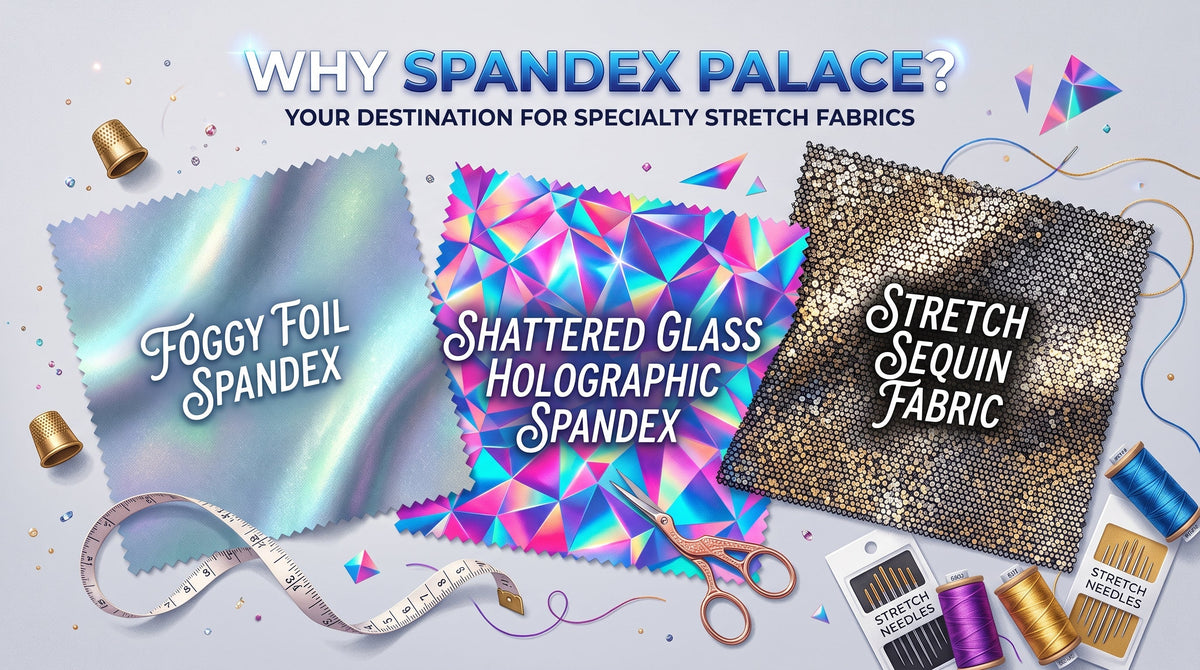
Why Spandex Palace? Finding the Perfect Stretch in a Crowded Market
Finding the right stretch fabric shouldn’t mean settling for stiff materials, weak recovery, or endless bulk minimums.
Spandex Palace bridges the gap between commercial-grade fabric performance and maker-friendly flexibility. Whether you need the dreamy shimmer of Foggy Foil, the eye-popping brilliance of Shattered Glass, or the timeless drama of Sequins, your creations deserve fabric that works as hard—and shines as bright—as you do.
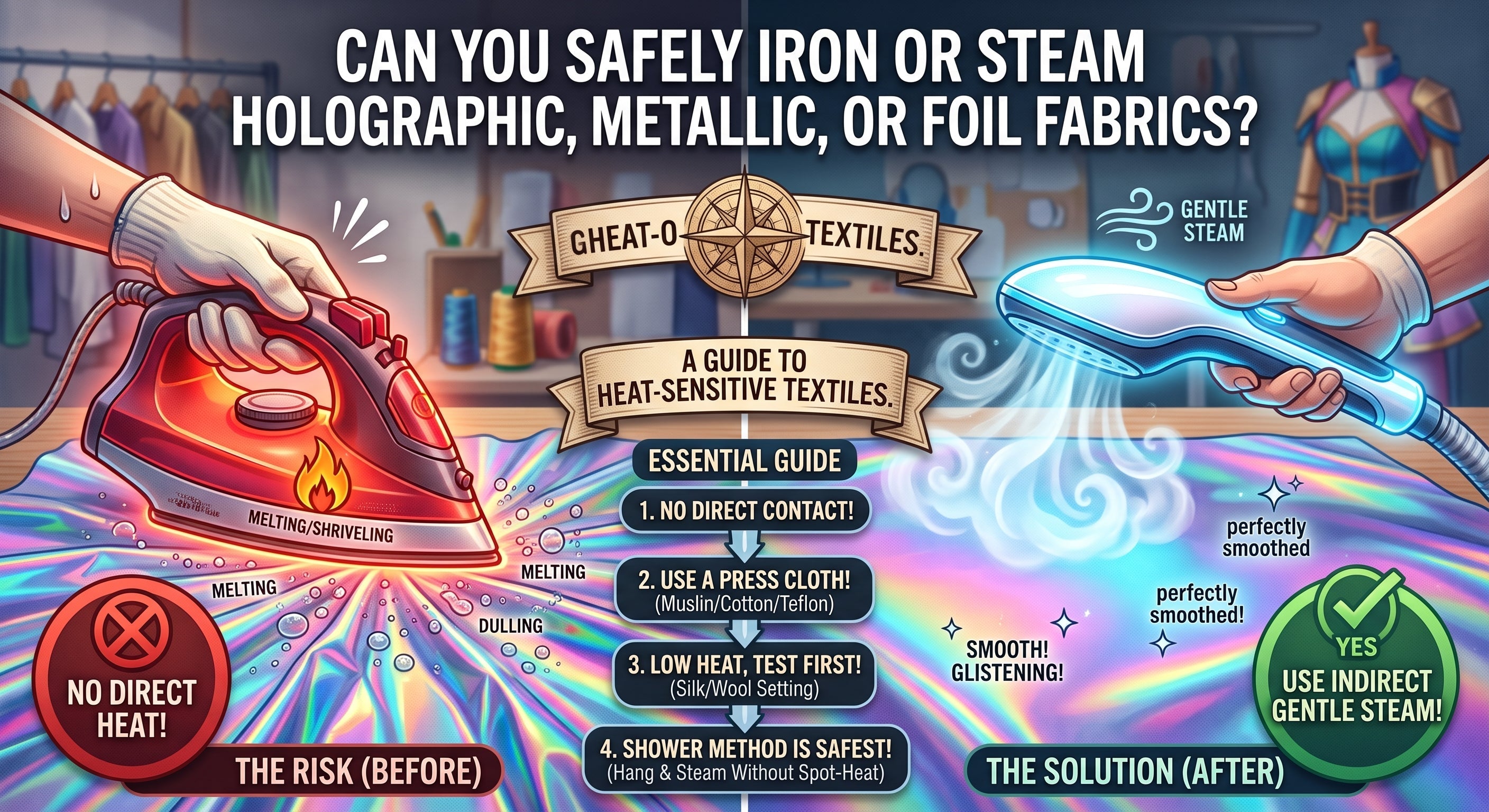
Can You Safely Iron or Steam Holographic, Metallic, or Foil Fabrics?
Working with high-shine specialty fabrics requires patience and temperature awareness. By keeping your heat extremely low, protecting the foil surface with a pressing cloth, and keeping your steamer at a safe distance, you can keep your performance wear looking pristine and brilliantly shiny. When your project demands the highest quality reflective textiles, starting with premium materials makes all the difference. Established in Los Angeles in 1992, Spandex Palace—a division of Payman Fabrics—provides the professional-grade metallic, foil, and hologram spandex trusted by expert designers for flawless, show-stopping costumes.
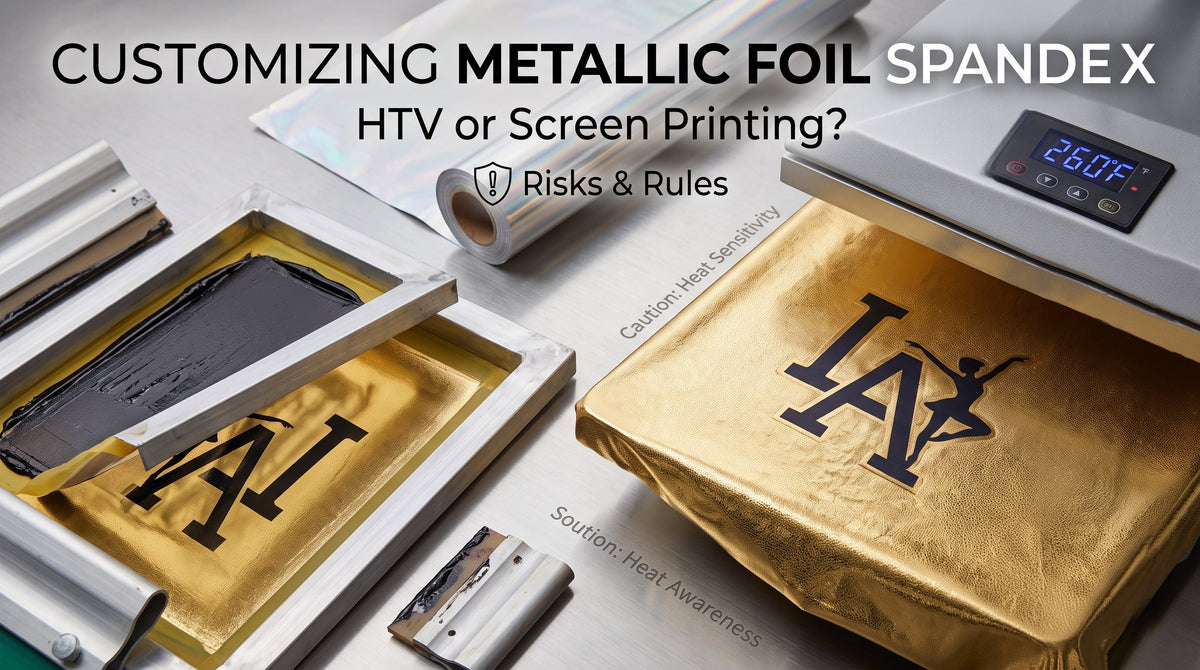
Can You Use Heat Transfer Vinyl (HTV) or Screen Printing on Metallic Foil Spandex?
Customizing performance wear requires testing. Always run a small test patch using scrap fabric before applying heat or ink to your final garment. When your project demands brilliant shine and resilient stretch, starting with premium materials is non-negotiable. Operating out of Los Angeles since 1992, Spandex Palace—a division of Payman Fabrics—supplies the high-quality metallic foil prints and hologram materials that competitive dancers, swimmers, and cosplay builders trust to stand out and perform flawlessly.
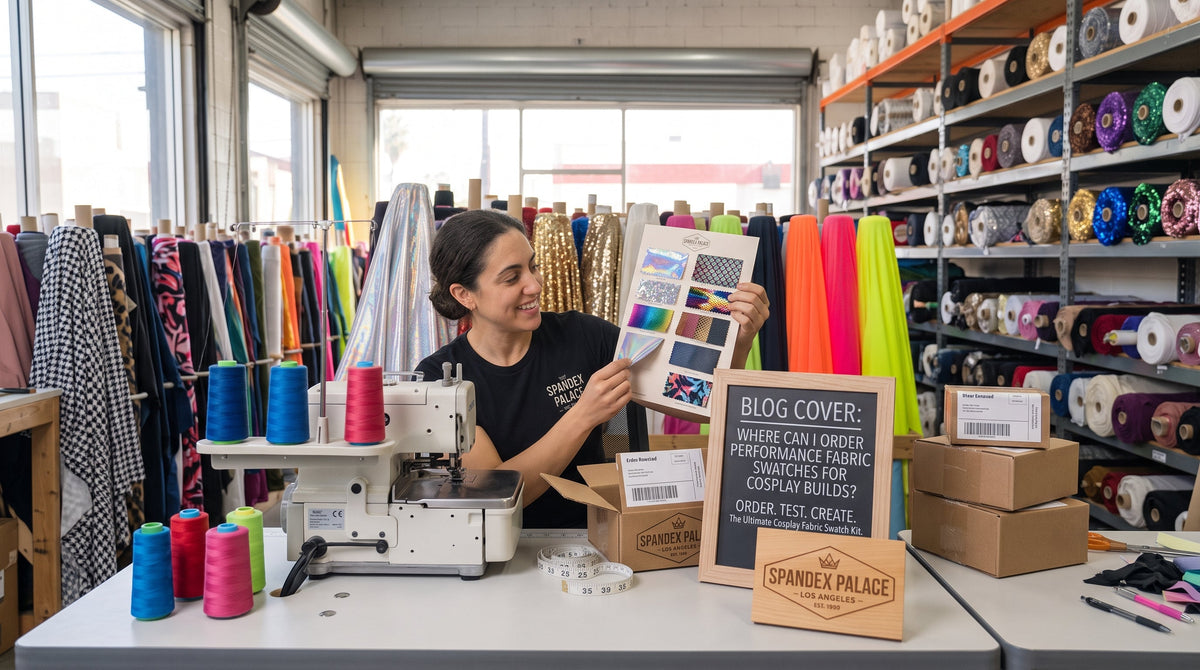
Where Can I Order Performance Fabric Swatches for Cosplay Builds?
Ordering swatches is a small upfront investment that prevents expensive mistakes and ensures your final cosplay is comfortable, durable, and visually stunning. By testing for stretch, color accuracy, and workability, you take the guesswork out of the building process. Whether you need heavy-duty non-stretch faux leather for props or vibrant 4-way stretch spandex for a superhero suit, Spandex Palace (operating under parent company Payman Fabrics) has been supplying creators directly from Los Angeles since 1992. We provide swatches for our entire in-house catalog, giving you the physical materials and confidence needed to build professional-grade costumes that stand out on any convention floor.
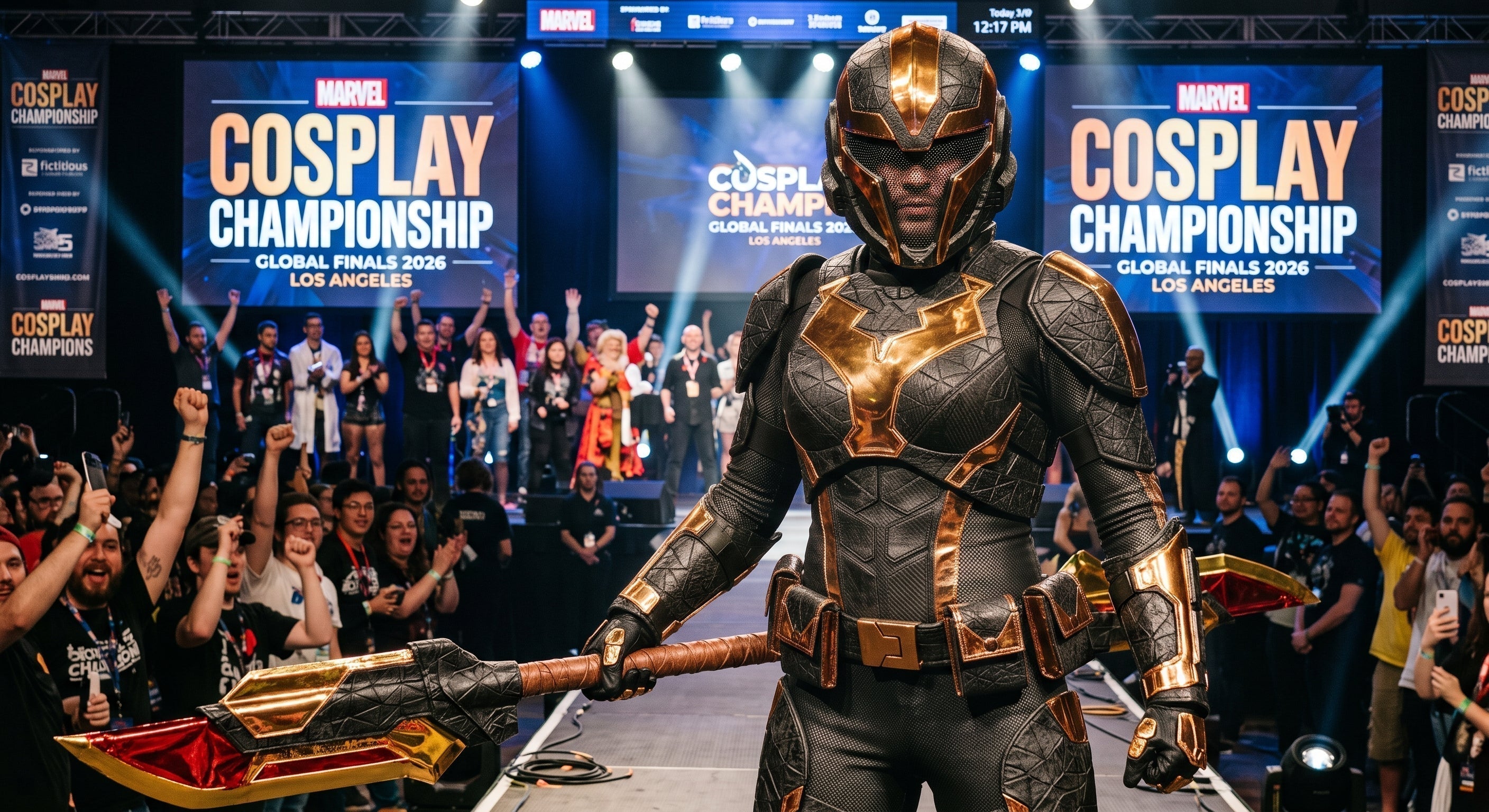
The Best Fabrics for Cosplay Armor and Props: A Complete Guide
Level up your next build with our ultimate guide to choosing the perfect materials for cosplay armor and props. Whether you are covering EVA foam or constructing structured accessories, this post breaks down the best textiles to achieve a realistic, heavy-duty look without the actual weight. Discover how to utilize materials like non-stretch 3D poly spandex faux leather, metallic foils, and holograms to bring your character to life. Plus, get top material recommendations directly from Spandex Palace, where we've been outfitting Los Angeles costumers and designers since 1992.