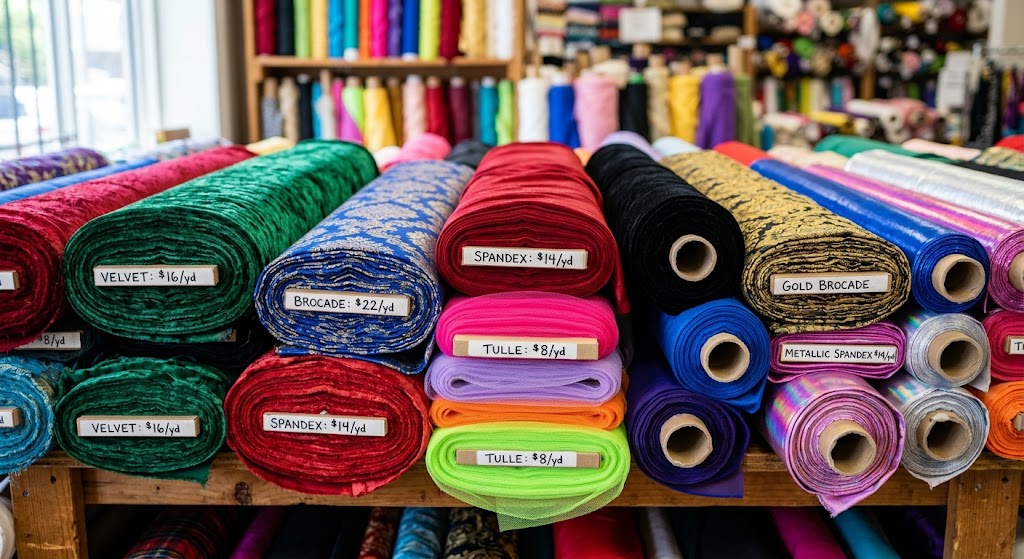
When you pour hundreds of hours into a cosplay, the materials you choose can make or break the final result. Whether you're crafting a sleek superhero bodysuit, a flowing fantasy gown, or rugged post-apocalyptic gear, selecting the right costume fabric ensures your build is accurate, comfortable, and durable. This guide breaks down the essential textiles you need to know for your next project.
Bodysuits, Supersuits, and Active Characters
If your character flips, fights, or wears a skin-tight suit, you need fabrics with excellent recovery and give.
-
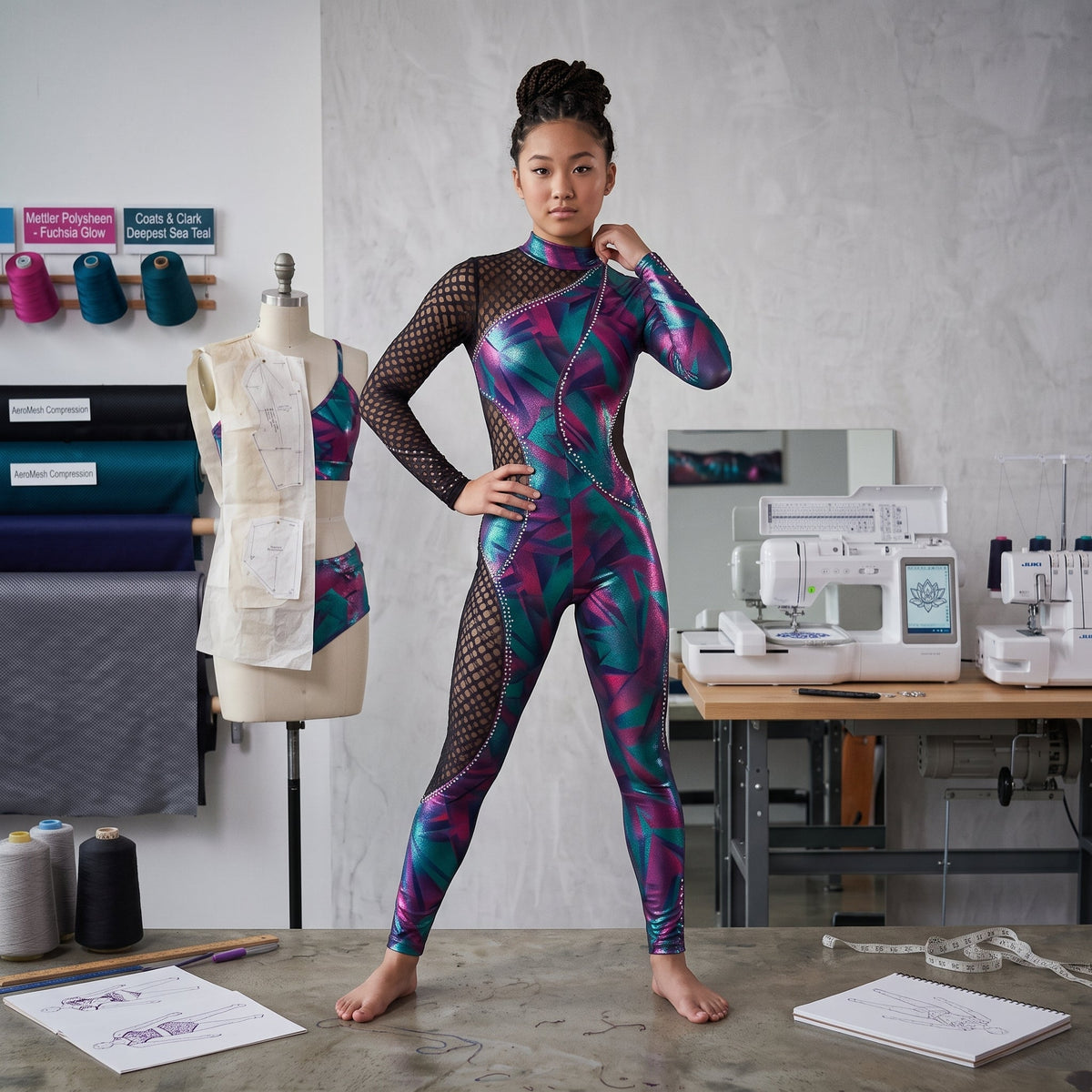
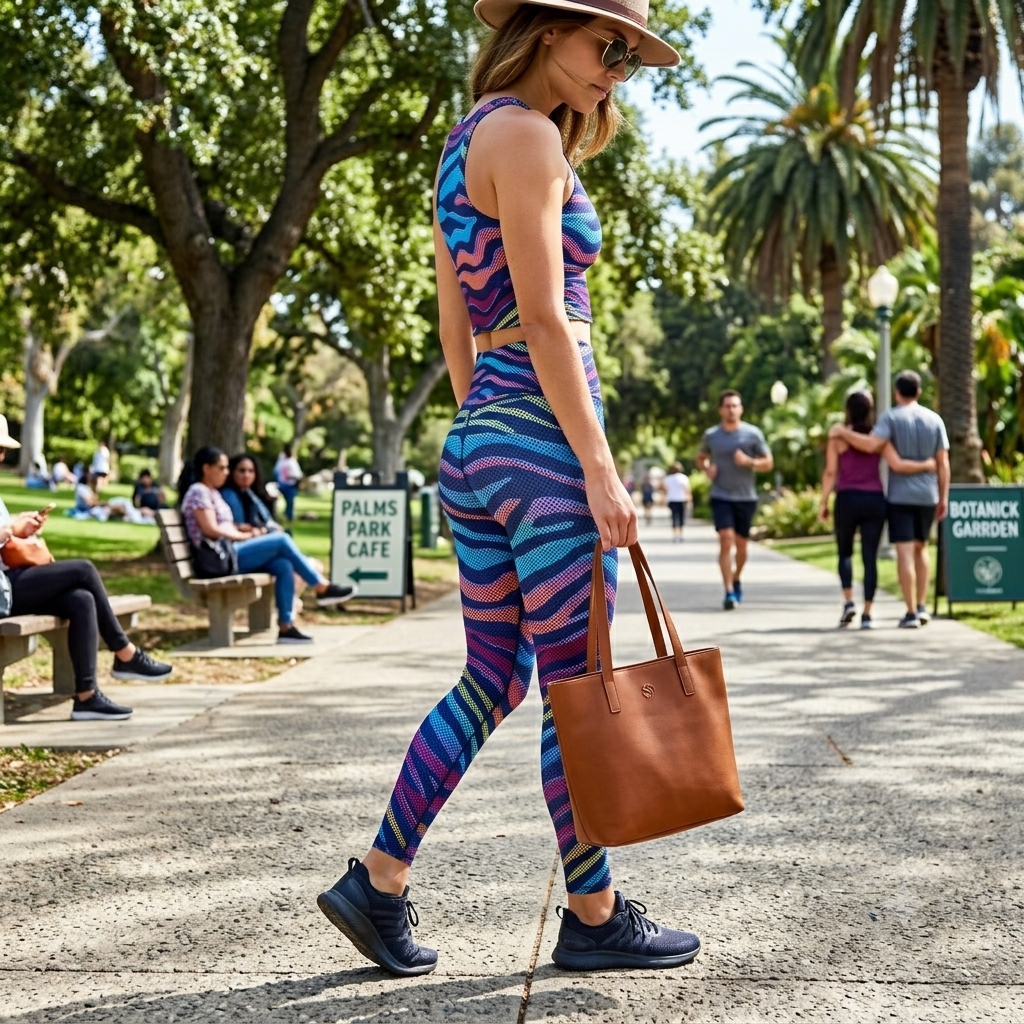
4-Way Stretch Spandex (Lycra): The absolute gold standard for superhero cosplays. Unlike 2-way stretch, 4-way stretch spandex moves in every direction and snaps back into place without sagging. It is perfect for custom-printed hero suits and athletic wear.
-
Power Mesh & Tricot: Essential for creating sheer illusions, inserts, or capes. Power mesh offers great stretch and breathability, while nylon tricot provides a smooth, matte finish that doesn't run when cut, making it excellent for cape production.
-
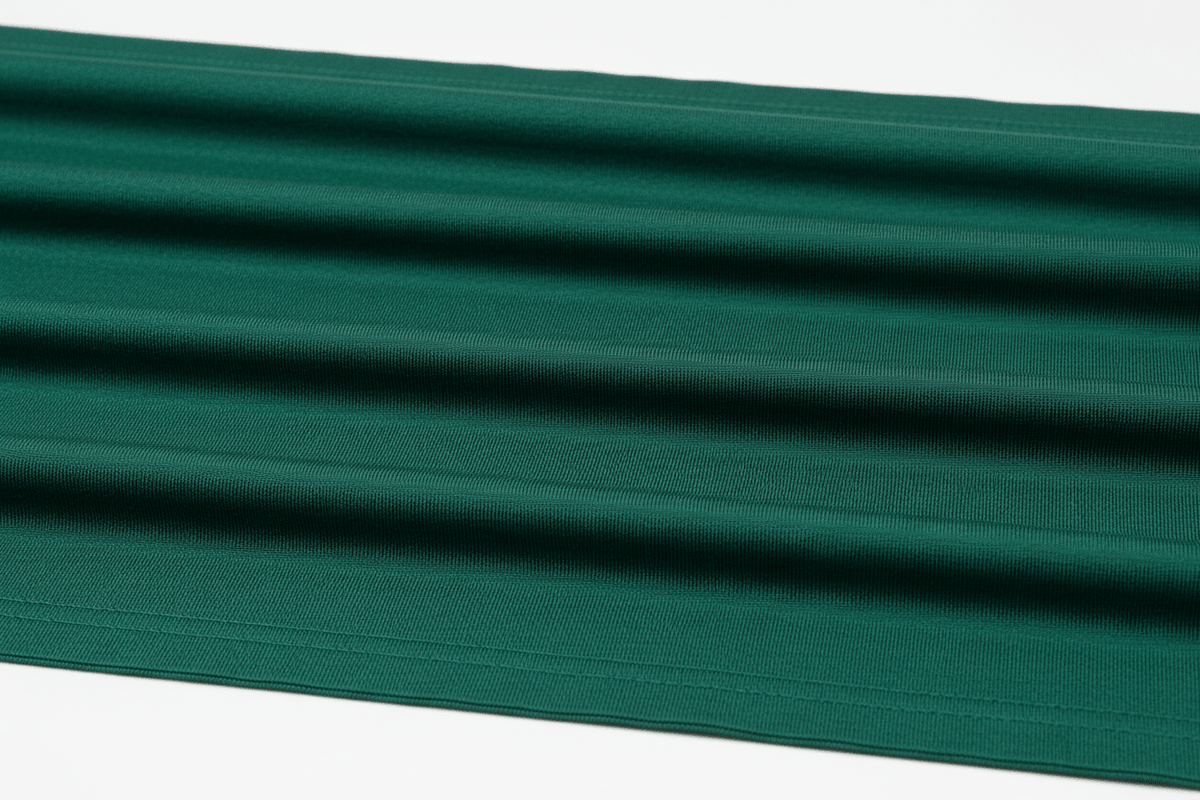
Neoprene & Scuba: If you need a form-fitting suit but want more thickness and structure than standard spandex, scuba knit and neoprene are incredibly smooth, hold their shape well, and look highly technical.
Armor Under-Suits, Edgy Looks, and Idols
For characters clad in leather, armor, futuristic gear, or stage outfits, texture and shine are everything.
-
Faux Leather & Vinyl: Real leather is expensive and hard to sew. Vinyl and stretch faux leathers give you that industrial, rugged, or sleek latex look without the hefty price tag. Pro-tip: Always look for 4-way stretch vinyl if you are making tight garments.
-
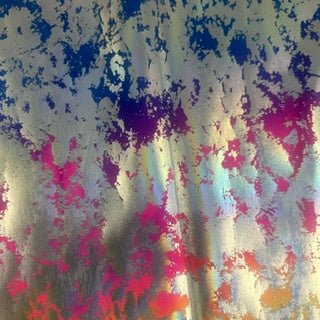
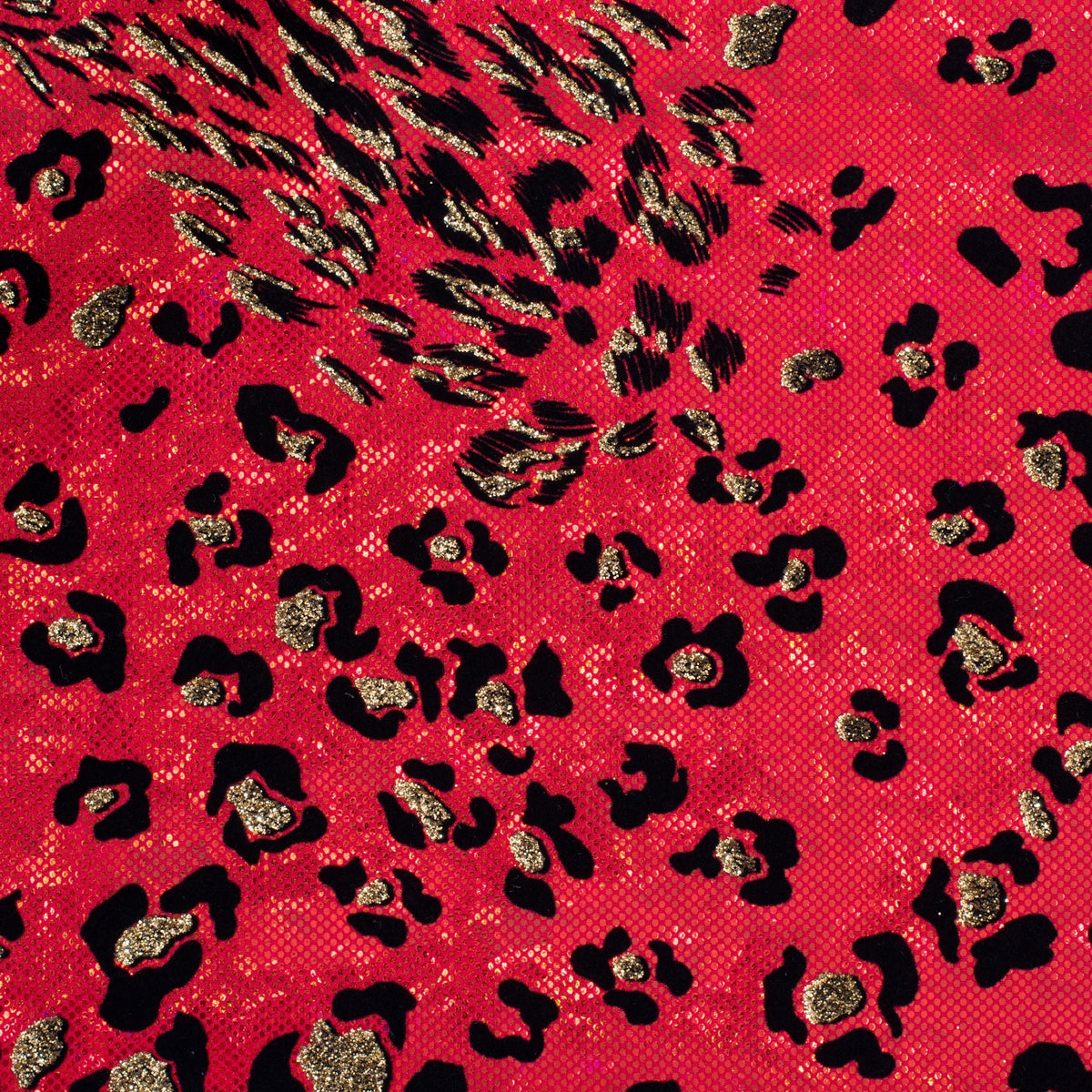
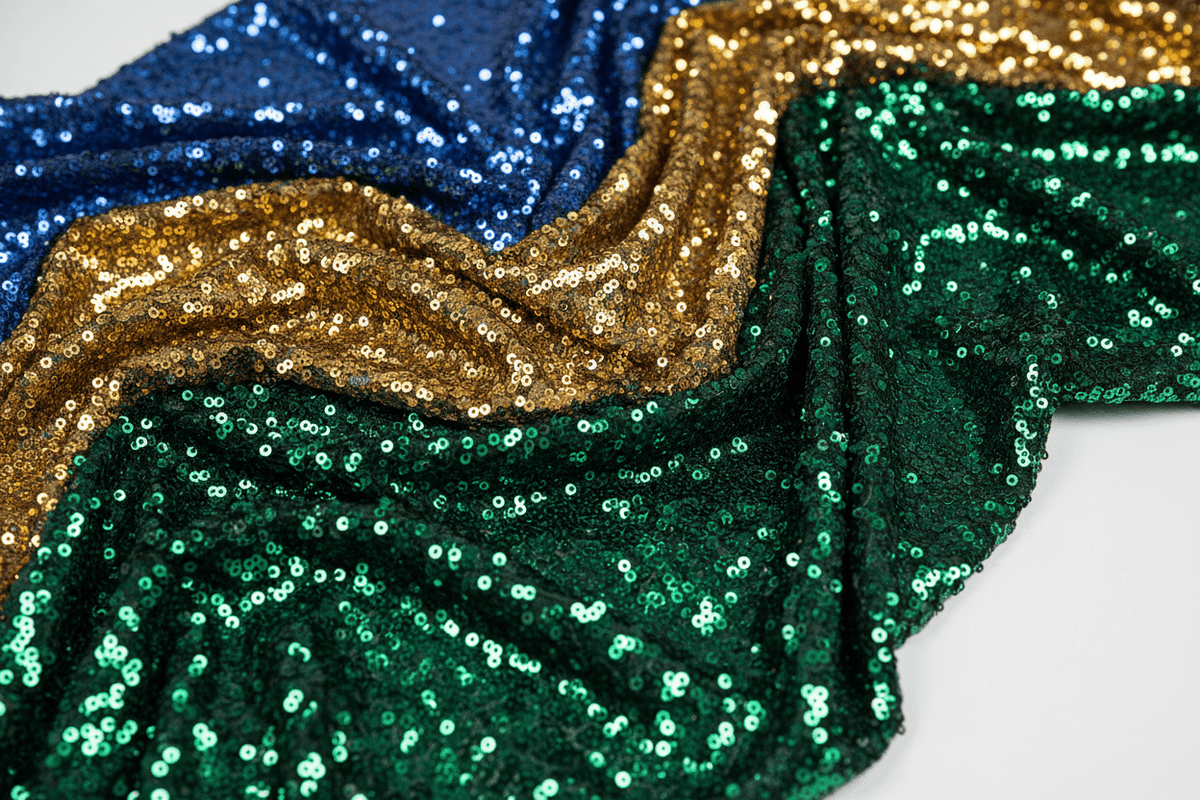
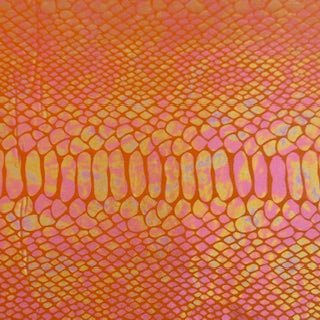
Hologram Foil & Sequins: When making idol costumes or magical girl outfits, hologram foils and sequin fabrics catch the light beautifully and add instant stage presence.
Fantasy, Royalty, and Historical Cosplay
Medieval knights, elven royalty, and fantasy mages require fabrics that drape beautifully and look luxurious.
-
Velvet & Crushed Velour: Nothing says "royalty" quite like velvet. Stretch velvet is incredibly popular for magical characters because it catches the light dynamically with a distinctive ripple effect, and the stretch makes it much more forgiving to fit.
-
Brocade: A heavily decorated, woven fabric often featuring metallic threads, paisleys, or floral designs. It is stiff, expensive-looking, and perfect for regal jackets, corsets, and fantasy royalty.
-
Chiffon & Organza: Need a cape that catches the wind, or ethereal, see-through sleeves? Chiffon is light and flowing, while organza is crisp and holds its volume for bows and structured transparent elements.
Structural and Foundational Fabrics
Sometimes you just need reliable, easy-to-sew materials for basic garments like tunics, pants, and linings.
-
Cotton Poplin: The workhorse of cosplay. It is inexpensive, breathable, has a flat surface, and is incredibly easy to sew and handle.
-
Twill: If you need pants, jackets, or military uniforms that can take a beating, twill is woven with a diagonal pattern for durability and holds its structure beautifully.
Quick Reference: Cosplay Fabric Cheat Sheet
| Fabric Type | Best Used For | Key Characteristics |
| Spandex / Lycra | Superhero suits, bodysuits, tights | 4-way stretch, form-fitting, high recovery |
| Vinyl / Faux Leather | Armor undersuits, edgy streetwear | Smooth, industrial texture, sleek |
| Stretch Velvet | Capes, magical girls, royalty | Soft, luxurious drape, catches light |
| Cotton Poplin | Tunics, base layers, school uniforms | Breathable, easy to sew, flat surface |
| Power Mesh | Illusions, cut-outs, sheer panels | Stretchy, transparent, breathable |