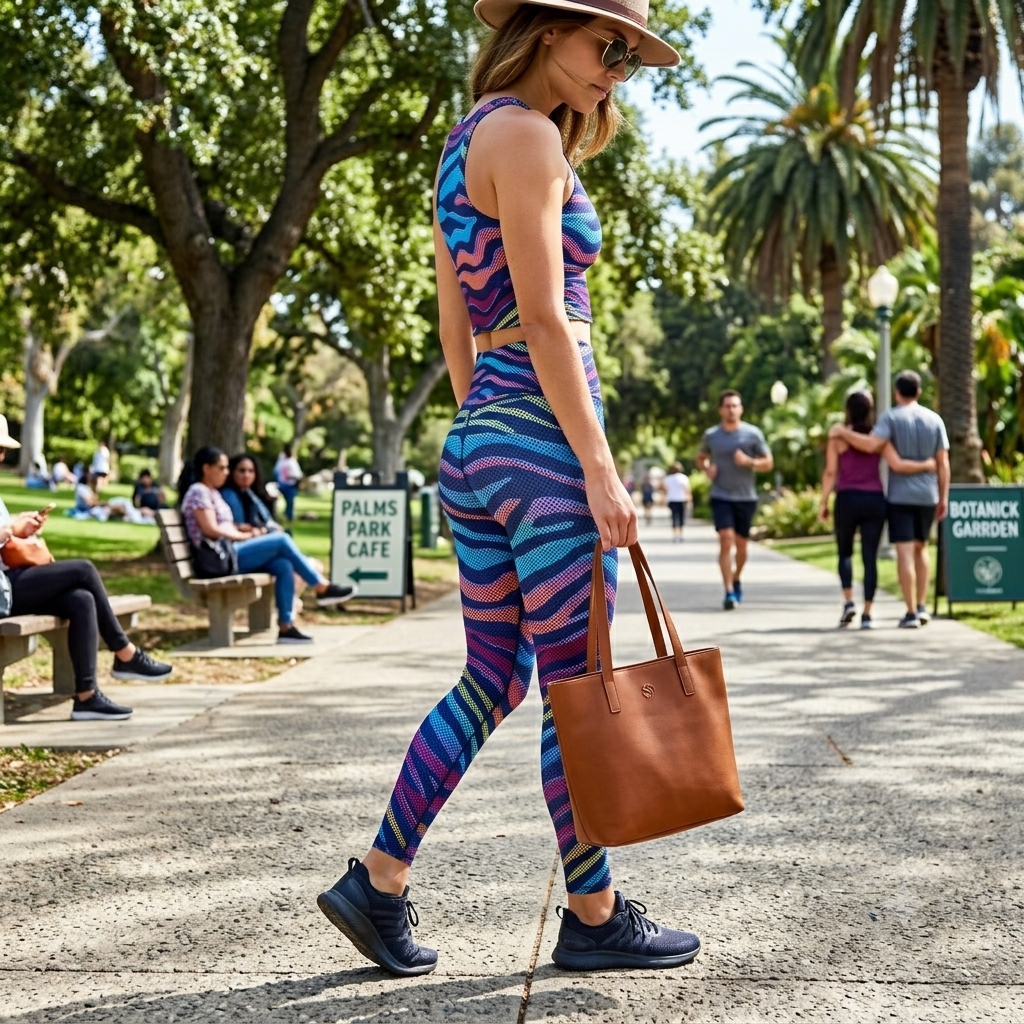
Knit fabrics stretch — and that changes everything about yardage. Unlike wovens, knits hug curves, recover after wear, and often require less fabric for tight garments… but only if you measure correctly.
Use this guide to calculate yardage for jersey, spandex, rib knit, interlock, and power mesh from Spandex Palace.
1. Knit Fabric Yardage for Apparel
Knit yardage depends on fabric width — usually 58-60" for apparel knits — and % stretch. 4-way stretch needs less ease than 2-way.
|
Project Type |
58-60" Knit Fabric |
Best Spandex Palace Knit |
Notes |
|---|---|---|---|
|
Fitted T-Shirt |
1.5 – 2 yards |
Cotton Jersey, Rayon Spandex |
Add 0.25 yd if adding long sleeves |
|
Leggings |
1.5 – 2.5 yards |
Matte Milliskin, Performance Spandex |
Taller than 5'8"? Add 0.5 yd |
|
Bodysuit/Leotard |
2 – 3 yards |
4-Way Nylon Spandex, Tricot |
Crotch to shoulder length matters most |
|
Maxi Skirt |
2 – 3 yards |
ITY Jersey, Liverpool Knit |
Less than wovens due to drape |
|
Hoodie |
2.5 – 3.5 yards |
French Terry, Sweatshirt Fleece |
Add 1 yd for matching set |
Pro Tip for Knits: Always check stretch % before cutting. Pull a 4" section of Spandex Palace 4-way stretch. If it stretches to 8", that’s 100% stretch. Most patterns assume 50-75%. If your fabric has more stretch, you can size down and save 0.25–0.5 yd.
2. Knit-Specific Yardage Rules
1. Shrinkage: Cotton jersey can shrink 3-5%. Pre-wash and add 10% extra yardage if you’re unsure. Spandex Palace performance knits are pre-shrunk.
2. Grain vs. Stretch Direction: For leggings and bodysuits, the greatest stretch must go around the body, not up/down. Laying patterns wrong wastes 1+ yards.
3. Nap on Velvet Knits: Stretch velvet and flocked knits have a nap. Add 0.5 to 1 yard so all pieces run the same direction.
3. Knits for Home Decor & Cosplay
Knits aren’t just for clothes. Use them for:
- Chair covers: 2 – 3 yards of Milliskin for a standard dining chair
- Cosplay bodysuits: 3 – 4 yards of 4-way spandex for full coverage + gloves
- Backdrops: 5 – 8 yards of stretch velvet for wrinkle-free photo drapes
Conclusion: Let the Stretch Work for You
Knit fabric yardage is about control, not just quantity. Measure your stretch %, pre-wash natural fibers, and respect the grain. Do that, and knits use less fabric while fitting better than wovens.
Shop Spandex Palace for premium 4-way spandex, jersey, and performance knits that hold their shape wear after wear.
Golden rule: Buy for your largest measurement, then let the stretch do the rest.
Blog 2: Woven Fabric Yardage Guide
Meta Title: Woven Fabric Yardage Calculator: Cotton, Linen, Taffeta & Non-Stretch Fabric Guide
Meta Description: How much woven fabric do you need? Charts for dresses, curtains, quilting, and upholstery. Includes width, pattern matching, and nap tips.
How to Calculate Woven Fabric Yardage: Cotton, Linen, Taffeta & More
Woven fabrics don’t stretch — so your yardage math has to be exact. No “it’ll stretch to fit” safety net here. Whether you’re sewing structured garments, quilting, or making curtains, this guide covers cotton, linen, taffeta, brocade, and faux leather with zero guesswork.
1. Woven Fabric Yardage for Apparel
Wovens come in 44-45" and 58-60" widths. Narrow wovens = more yardage. Always add extra for seam allowances and structure.
|
Project Type |
45" Woven Fabric |
60" Woven Fabric |
Best Fabric Type |
|---|---|---|---|
|
Button-Up Shirt |
2.5 – 3 yards |
2 – 2.5 yards |
Cotton Poplin, Linen |
|
A-Line Dress |
3 – 4.5 yards |
2.5 – 3.5 yards |
Cotton Sateen, Taffeta |
|
Circle Skirt |
4 – 6 yards |
3 – 4 yards |
Quilting Cotton, Broadcloth |
|
Blazer/Jacket |
3 – 3.5 yards |
2.5 – 3 yards |
Twill, Faux Suede |
|
Pants |
2.5 – 3.5 yards |
2 – 2.5 yards |
Denim, Canvas |
Pro Tip for Wovens: Structured garments need interfacing + lining. Add 0.5–1 yard to your total for facings, collars, and pocket bags. Spandex Palace faux leather and brocades look best with proper support.
2. Wovens for Home Decor: Where Yardage Adds Up Fast
Wovens are king for decor because they hold shape. But fullness and pattern repeats eat yardage.
Common Woven Decor Yardage:
- Curtains: Window width x 2.5 = fabric width needed. A 50" window needs 125" of fabric → 3.5 yards at 45" width per panel.
- Quilting: Queen quilt top = 8 – 10 yards of assorted 44" cotton.
- Tablecloth 60x120": 4 yards of 60" wide linen or taffeta.
- Reupholster Dining Chair: 1.5 – 2 yards of 54" upholstery woven per chair.
Pattern Repeat Rule: Big florals, stripes, or damask patterns on wovens must match at seams. Check the "repeat" on the bolt. A 24" repeat can add 25% extra yardage. Spandex Palace brocades and jacquards list repeat size.
3. Woven-Specific Yardage Rules
-
No Stretch = No Cheating: If you’re between sizes, size up. Wovens won’t forgive tight cuts.
2. Nap & Pile: Velvet, corduroy, and faux suede have a nap. All pieces must run the same direction. Add 0.5–1.5 yards.
3. Fray Factor: Wovens fray. Add 1" extra to every cut edge or serge immediately. Buy 0.25 yd extra for testing.Frequently Asked Questions: Knit Fabric Yardage
How much knit fabric do I need for leggings?
For average adult leggings using 58-60" wide 4-way stretch spandex, you need 1.5 to 2.5 yards. Add 0.5 yard if you’re over 5'8" or want a high waistband. Spandex Palace matte milliskin and performance spandex are ideal.Do I need less fabric if it’s 4-way stretch?
Yes. 4-way stretch fabrics with 75-100% stretch often let you size down or use less ease. You can typically save 0.25 to 0.5 yards on fitted garments like bodysuits and leggings compared to 2-way stretch. Always check your pattern’s recommended stretch % first.How do I calculate stretch percentage for knits?
Hold 4 inches of fabric against a ruler. Stretch it as far as it comfortably goes. If 4" stretches to 8", that’s 100% stretch. If it stretches to 6", that’s 50% stretch. Match this to your pattern requirements before buying yardage.Should I pre-wash knit fabric before measuring?
Yes for natural fiber knits like cotton jersey or bamboo — they can shrink 3-5%. Pre-wash and dry, then measure. Spandex Palace polyester/nylon performance knits are pre-shrunk and don’t require pre-washing.How much extra fabric for nap on stretch velvet?
Add 0.5 to 1 yard when using napped knits like stretch velvet or flocked spandex. All pattern pieces must be cut in the same direction so the pile looks uniform, which prevents efficient layout.Can I use less fabric for a loose knit top vs fitted?
No — loose knit tops often need more fabric than fitted styles because you’re adding ease and drape. Fitted tops use the stretch to reduce yardage. For a flowy jersey tunic, plan for 2.5–3 yards vs 1.5 yards for a fitted tee.