
When you are shopping for stretch fabrics to create activewear, swimwear, dance costumes, or athletic apparel, two materials dominate the market: Nylon Spandex and Polyester Spandex.
At first glance, both fabrics look similar—they both offer excellent 4-way stretch, hug the body comfortably, and snap back into shape. However, because they are engineered from different base polymers, they behave very differently when worn, washed, printed, and sewn.
Here is a beginner-friendly guide to understanding the differences between Nylon Spandex and Polyester Spandex, along with essential tips on how to sew with them like a professional.
1. What is Nylon Spandex? (The Soft & Smooth Performer)
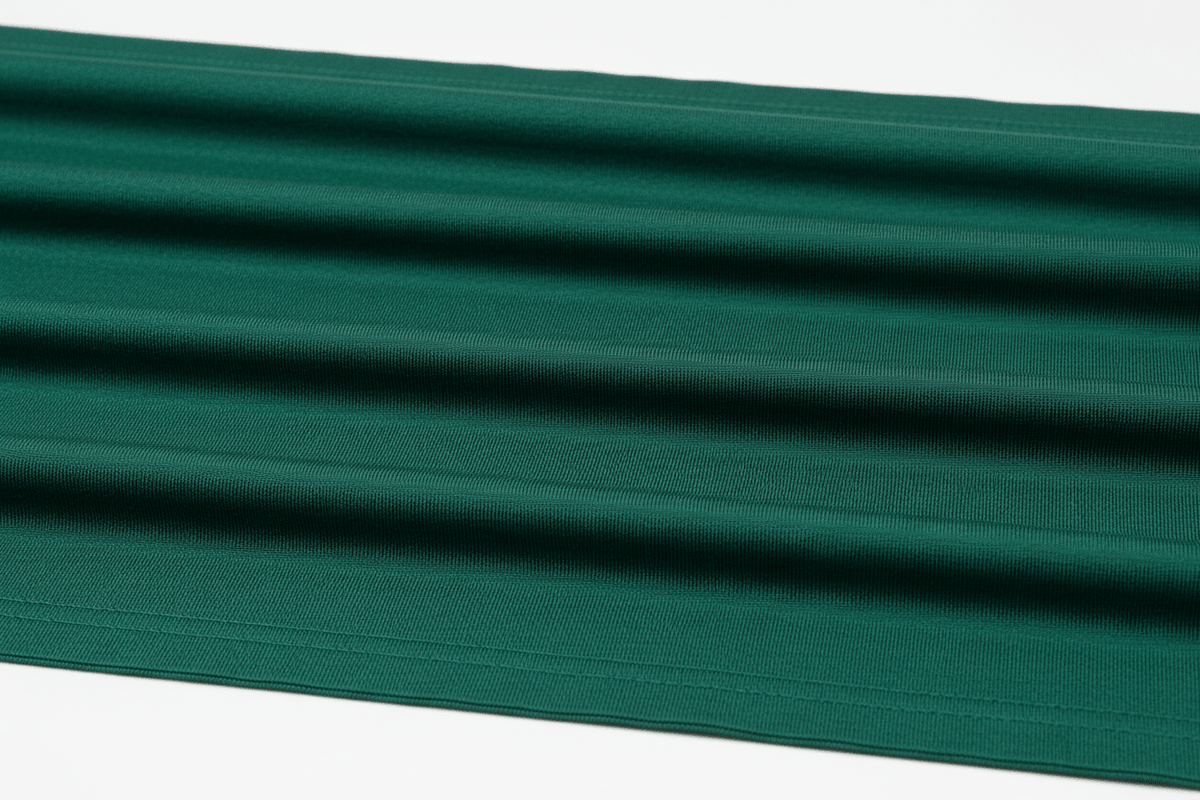
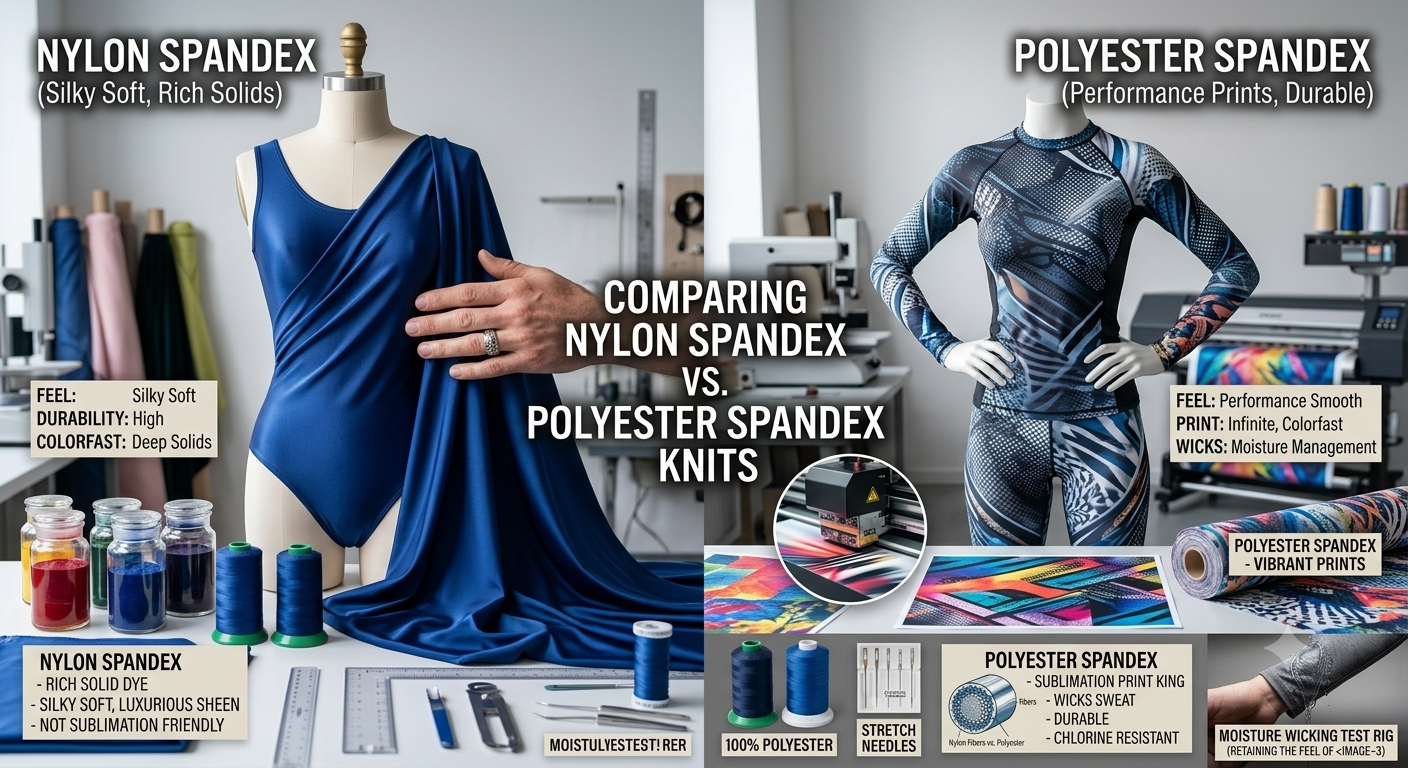
Nylon Spandex is a knit fabric blend combining nylon fibers with elastane (spandex). Nylon is celebrated as one of the smoothest, strongest synthetic fibers available, giving the finished fabric an exceptionally soft, slick, and luxurious hand-feel.
Key Characteristics of Nylon Spandex:
-
Superior Softness: Nylon fibers have a silky, cool-to-the-touch finish that feels exceptionally comfortable against bare skin.
-
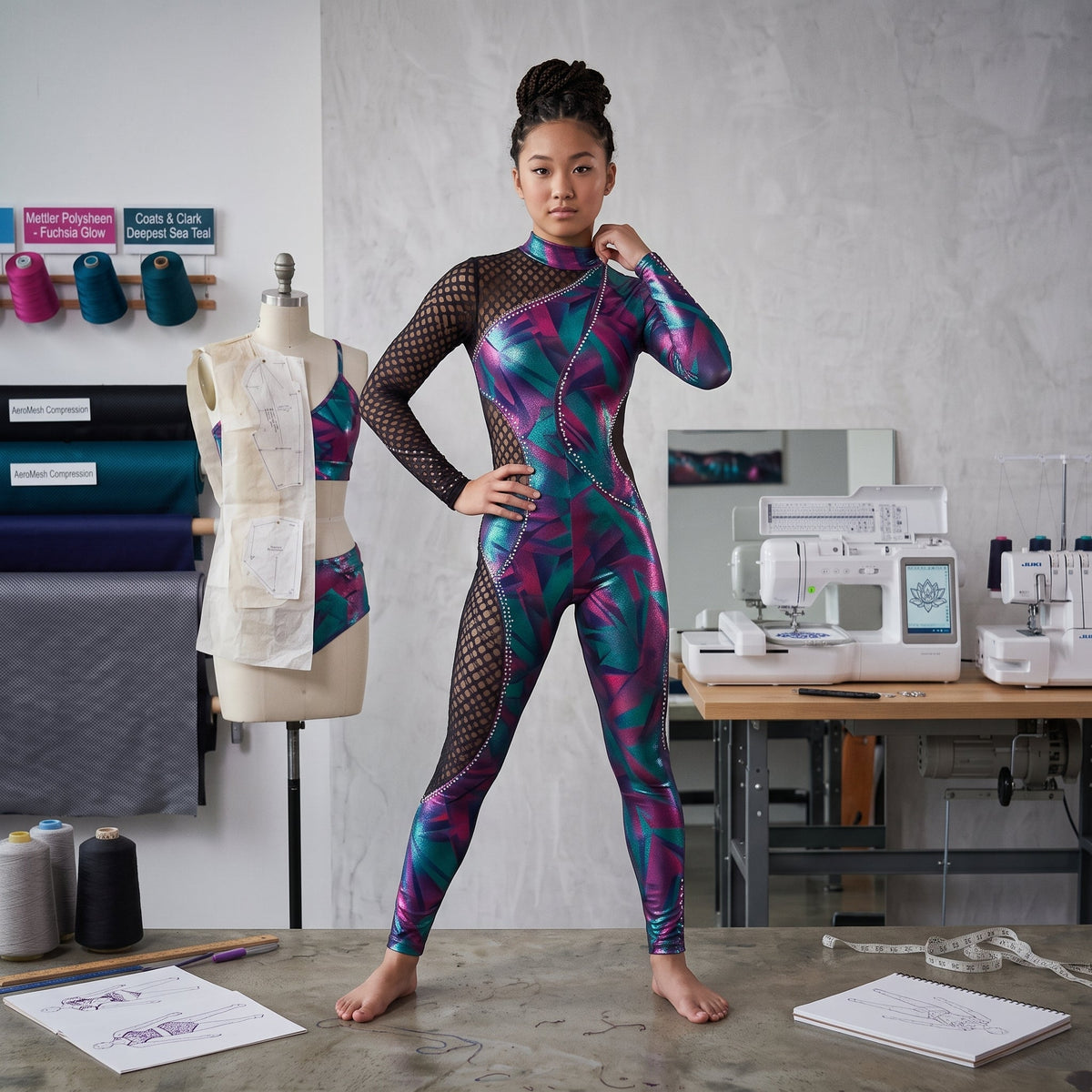
Rich Luster & Drape: It often has a subtle, flattering sheen that makes it a top choice for high-end dancewear, gymnastics leotards, and swimwear.
-
High Elastic Recovery: When blended with spandex, nylon knits conform smoothly to complex body contours without pucker or bagging.
-
Heat & Print Sensitivity: Because nylon melts at lower temperatures than polyester, it is not suitable for dye-sublimation printing. However, it takes solid dyes beautifully, resulting in deep, rich solid colors.
2. What is Polyester Spandex? (The Durable & Color-Fast Workhorse)
Polyester Spandex is a performance blend—frequently composed of a lightweight 90% polyester and 10% spandex mix—engineered for high-impact durability, moisture management, and vibrant printing.
Key Characteristics of Polyester Spandex:
-
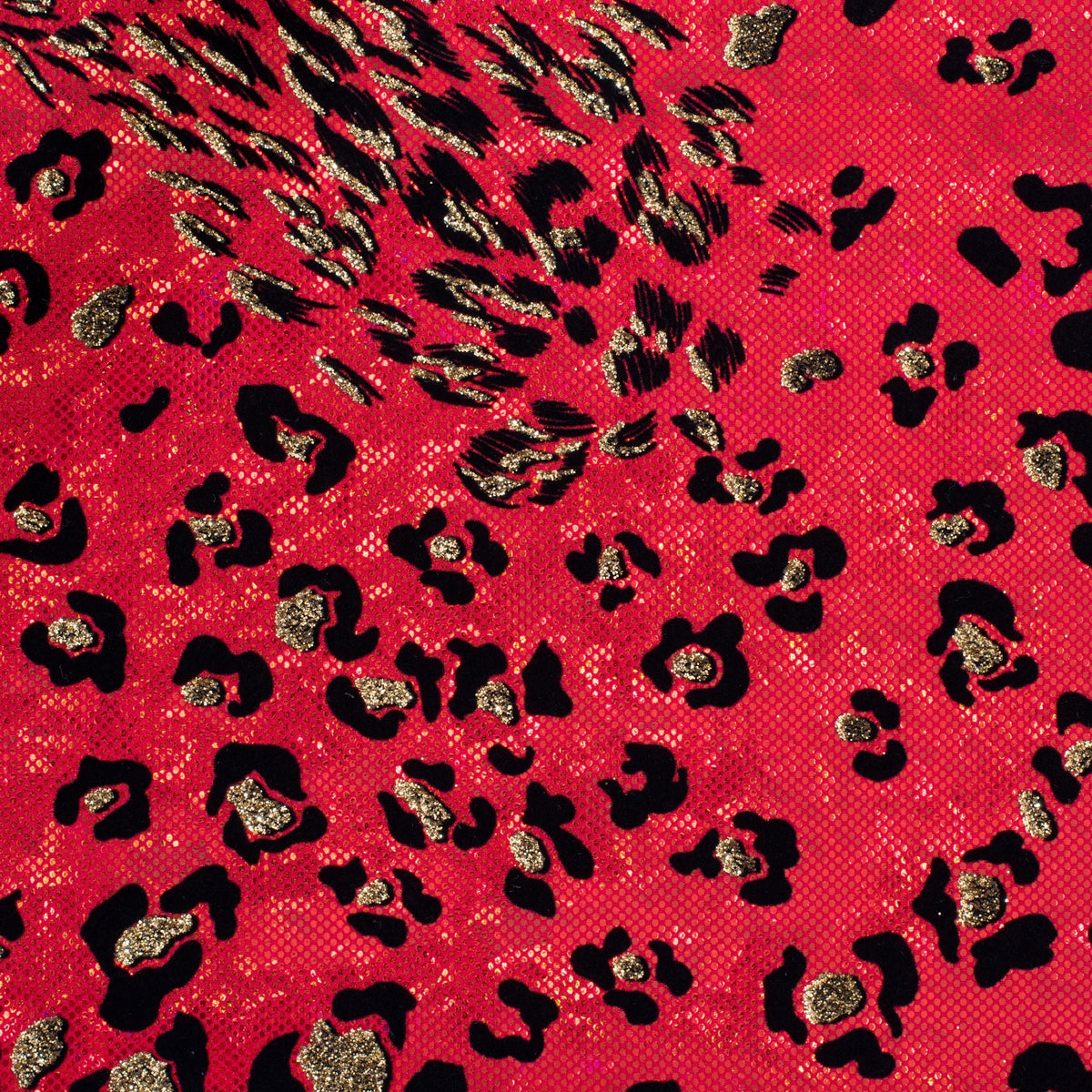
Unmatched Printability: Polyester is the industry standard for dye-sublimation printing. Heat-pressed inks bond directly to the polyester fibers, producing crisp, vivid patterns that never peel, crack, or fade.
-
Chlorine & UV Resistance: Polyester stands up to chlorinated pool water and direct sunlight much better than nylon, making it ideal for competitive swimwear and outdoor gear.
-
Moisture-Wicking: Polyester naturally repels water, pulling sweat away from the body so it can evaporate quickly during intense workouts.
-
High Durability: It resists pilling, abrasion, and shrinking over time, making it a reliable choice for everyday athletic leggings and workout tops.

3. Side-by-Side Comparison: Nylon Spandex vs. Polyester Spandex
| Feature | Nylon Spandex | Polyester Spandex |
| Hand Feel | Extremely soft, silky, cool to the touch | Smooth, slightly crisp, athletic feel |
| Best For Printing? | No (best for rich solid colors) | Yes (the gold standard for dye-sublimation) |
| Chlorine Resistance | Moderate (can degrade over time in pools) | High (excellent for pool swimwear) |
| Moisture Wicking | Good | Excellent (fastest drying) |
| Durability & Pilling | Very strong, but can pill against rough surfaces | Extremely resistant to abrasion and pilling |
| Common Uses | Dancewear, swimwear, lingerie, gymnastics leotards | Printed leggings, rash guards, activewear, sports bras |
4. How to Sew with Nylon and Polyester Spandex (Beginner's Guide)
Many beginners are intimidated by sewing with 4-way stretch knits, but with the right machine setup, both Nylon Spandex and Polyester Spandex are straightforward and rewarding to work with.
Step 1: Choose the Right Needle
-
Never use a standard universal needle. Sharp points will pierce and break the delicate spandex yarns, causing runs and holes along your seams.
-
Use a Stretch Needle or Ballpoint / Jersey Needle (size 75/11 or 80/12). These needles have rounded tips that slide safely between the knit loops.
Step 2: Use Quality Polyester Thread
-
Use a high-quality 100% polyester thread for all topstitching and seam construction. Cotton thread is too rigid and will snap the moment the fabric stretches.
-
If using a serger (overlocker), thread the loopers with wooly nylon thread for extra seam elasticity and skin-soft comfort.
Step 3: Select a Stretch-Friendly Stitch
-
Do not use a standard straight stitch on a sewing machine—the seams will pop under tension.
-
Best Sewing Machine Stitches:
-
Narrow Zigzag Stitch: Set your width to
1.5–2.0 mmand length to2.5 mm. -
Lightning Stitch (Stretch Stitch): Looks like a jagged lightning bolt and stretches cleanly with 4-way knits.
-
Twin Needle: Ideal for hemming cuffs, waistbands, and leg openings to give a professional coverstitch appearance.
-
-
Best Overlocker Setup: A 4-thread overlock stitch is the industry standard for assembling stretch garments.
Step 4: Handle the Fabric Correctly While Sewing
-
Do Not Pull or Push: Let the machine’s feed dogs pull the fabric through naturally. Stretching the fabric from the front or back while sewing will cause wavy, puckered seams.
-
Use a Walking Foot: If your sewing machine has a walking foot attachment, install it! It feeds the top and bottom layers of fabric evenly, preventing shifting and stretching.
-
Stabilize Seams When Needed: For shoulder seams or necklines that shouldn't stretch out, sew clear elastic or lightweight knit stay-tape into the seam allowance.