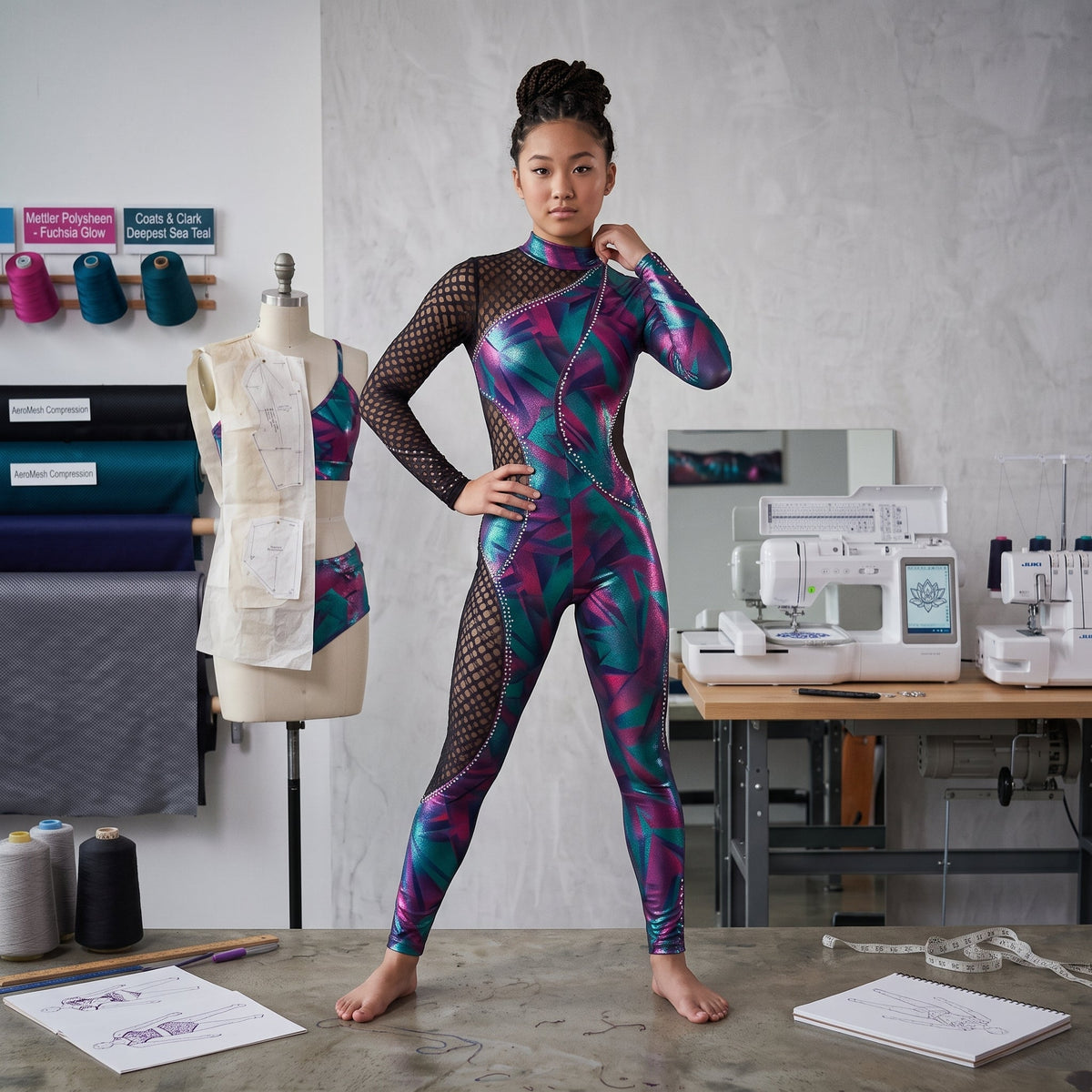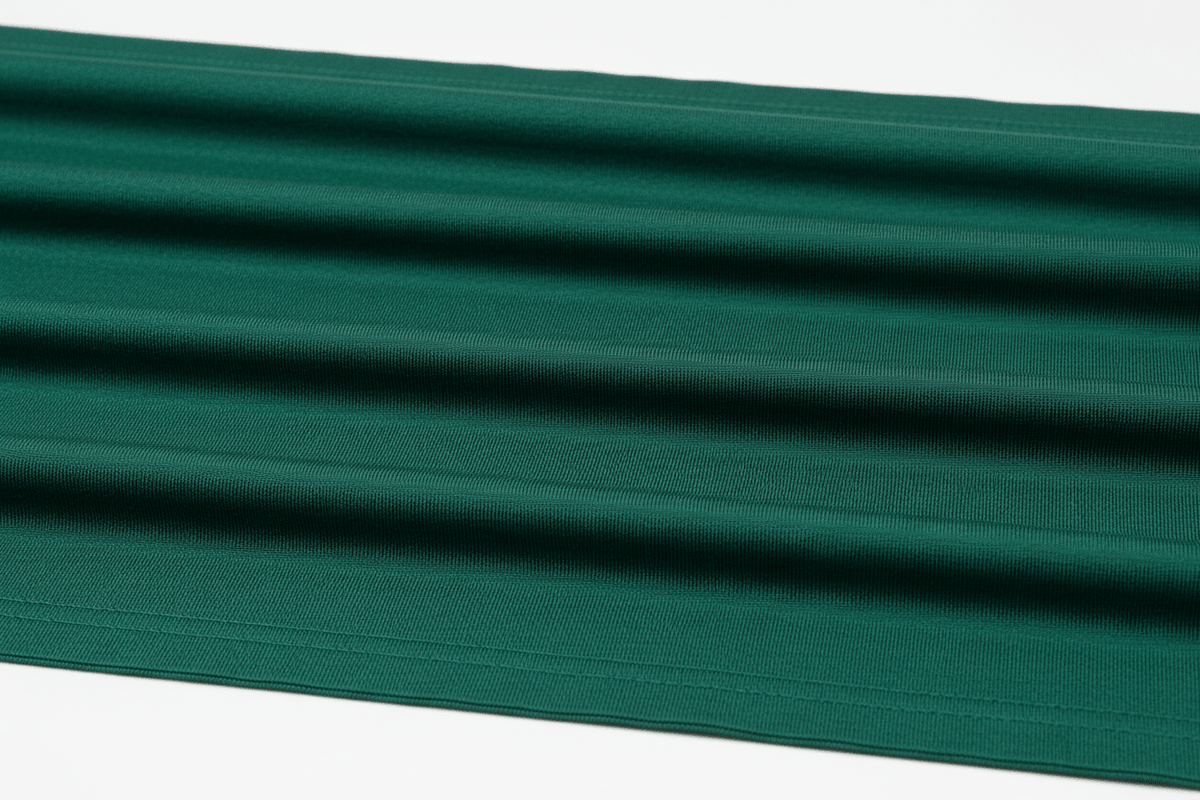

Whether you are designing high-performance activewear, stitching together a durable swimsuit, or constructing a show-stopping cosplay, you have undoubtedly worked with spandex. It is the secret ingredient behind the modern wardrobe’s comfort and fit.
But what exactly is this stretchy marvel, and how do you get the most out of it? Here is a complete breakdown of spandex fabric, its technical properties, and its pros and cons.
 What Exactly is Spandex?
Spandex is a highly elastic synthetic fiber. Interestingly, "spandex" is actually an anagram of the word "expands." In Europe and other parts of the world, it is most commonly referred to as elastane (Lycra is simply a well-known brand name for elastane).
From a technical standpoint, it is a polyether-polyurea copolymer. Because of its unique molecular structure, it is almost never used on its own. Instead, it is knitted or woven in small percentages (usually 2% to 20%) alongside other fibers like polyester, nylon, or cotton to give the resulting fabric exceptional stretch and recovery.
Spandex Fast Facts: At a Glance
To understand how this fabric performs, here are the essential specifications:
-
Fabric Name: Spandex, Elastane
-
Fabric Composition: Polyether-polyurea copolymer
-
Breathability & Moisture-Wicking: There is a common misconception that spandex itself is breathable. Because it is essentially a synthetic polymer, raw spandex does not breathe or wick water. However, because it is intricately blended with high-performance synthetic fibers (like micro-polyester or nylon), the resulting activewear fabrics are highly engineered for high breathability and high moisture-wicking abilities.
-
Heat Retention: Low. Spandex blends are typically designed to keep the wearer cool and release body heat during movement.
- Top Producing Countries: China, India, and South Korea are currently the top three largest global producers of spandex fiber, accounting for the vast majority of the world's supply
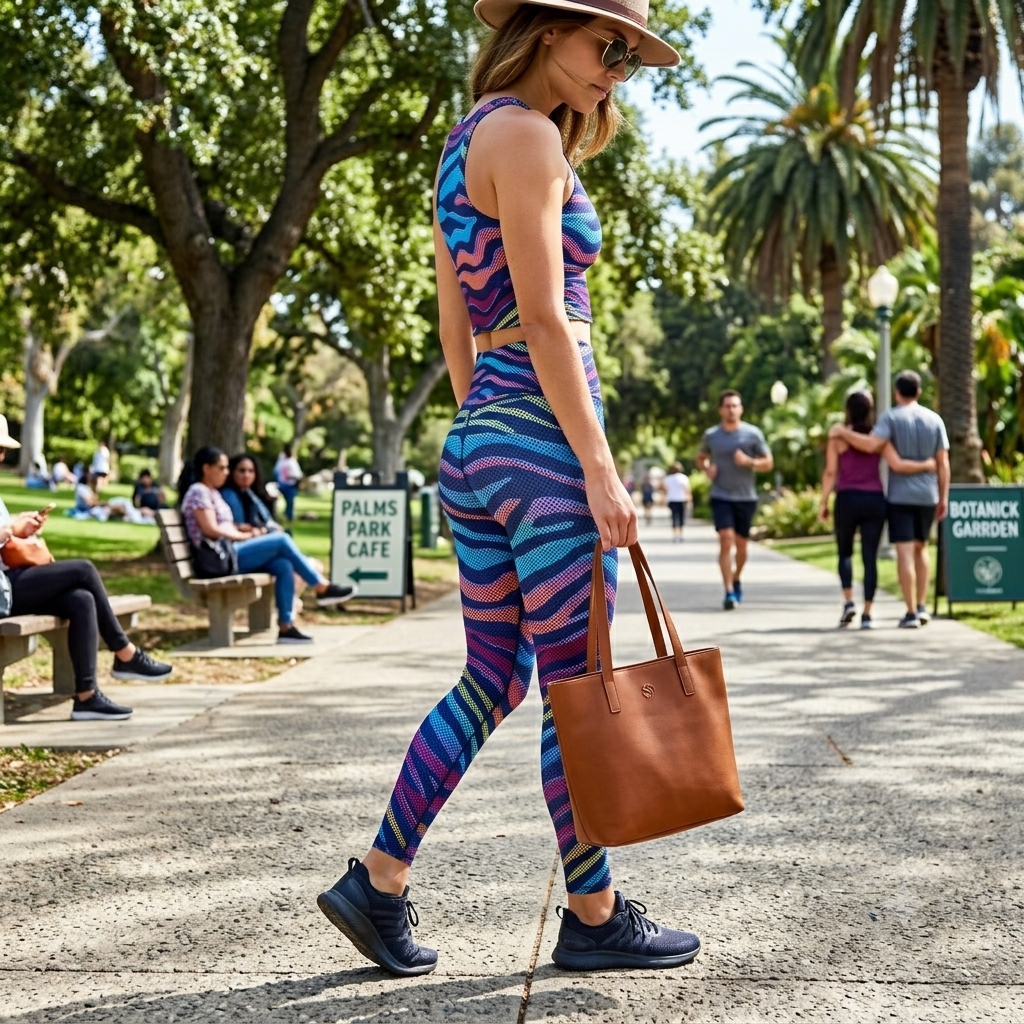
- Commonly Used In: Underwear, socks, bras, sports bras, bike shorts, yoga pants, hiking apparel, swimwear, cosplay, leotards, and leggings.
The Advantages of Spandex
Why is elastane the go-to choice for performance and specialty apparel?
1. Unmatched Elasticity and Recovery Spandex can stretch up to 500% of its original length without breaking. More importantly, it has incredible "snap-back" recovery, meaning it returns to its exact original shape. This prevents the bagging and sagging that happens with older, natural elastic materials.
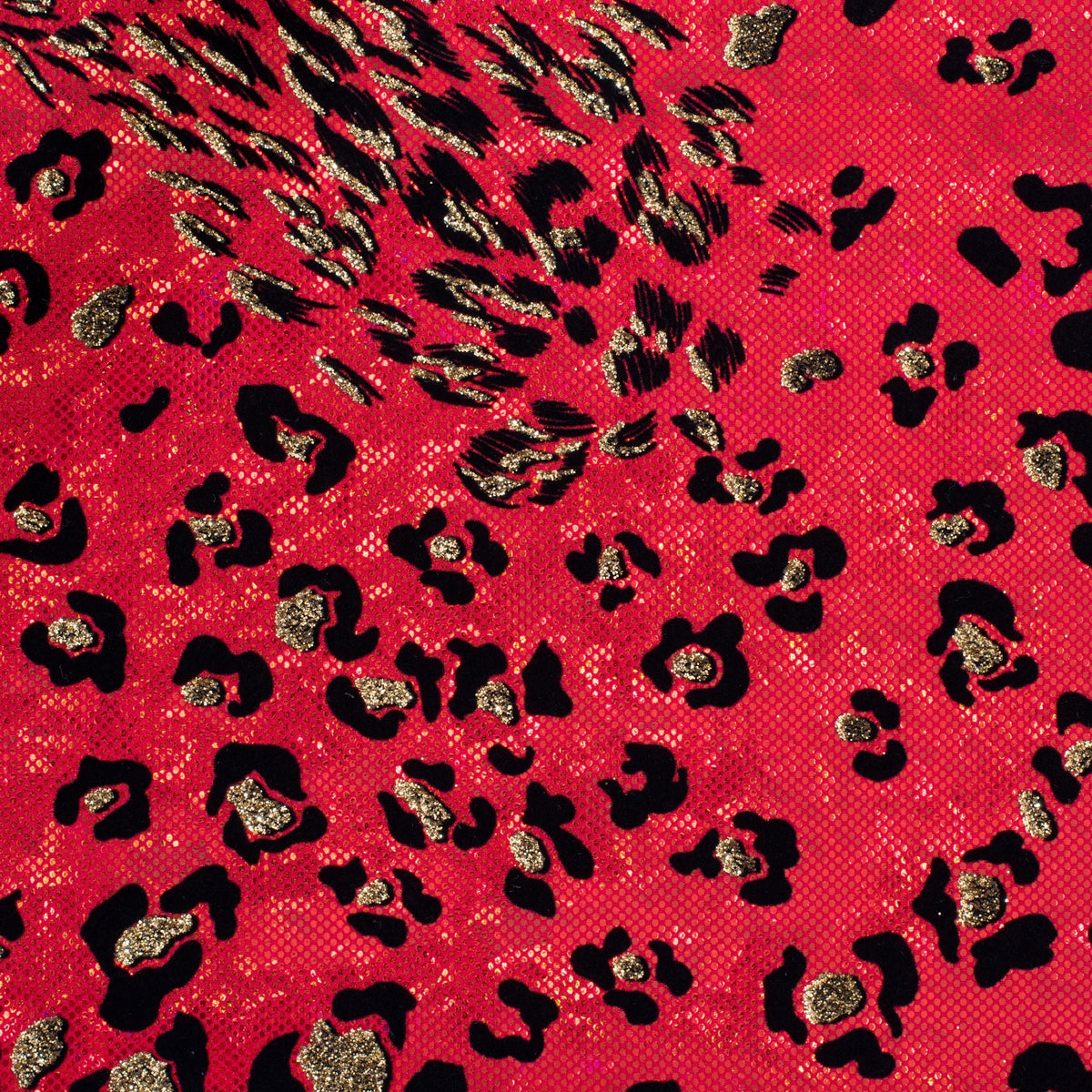
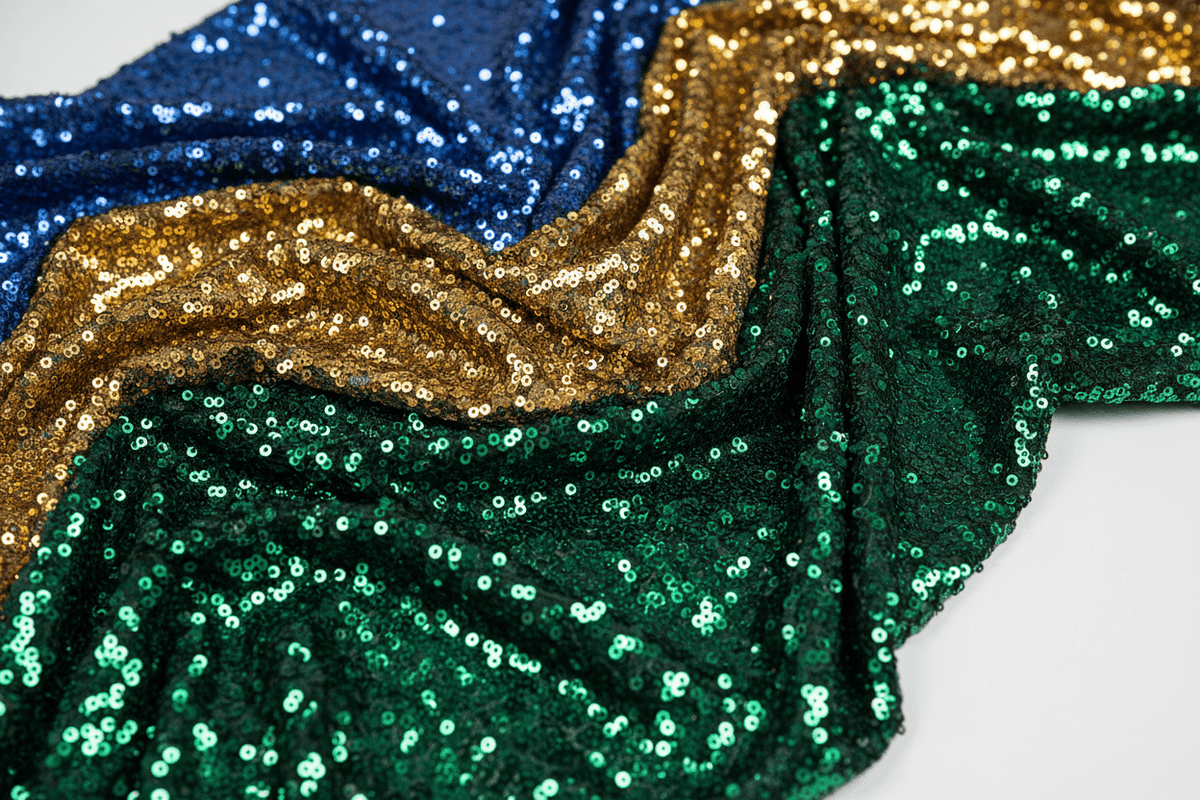
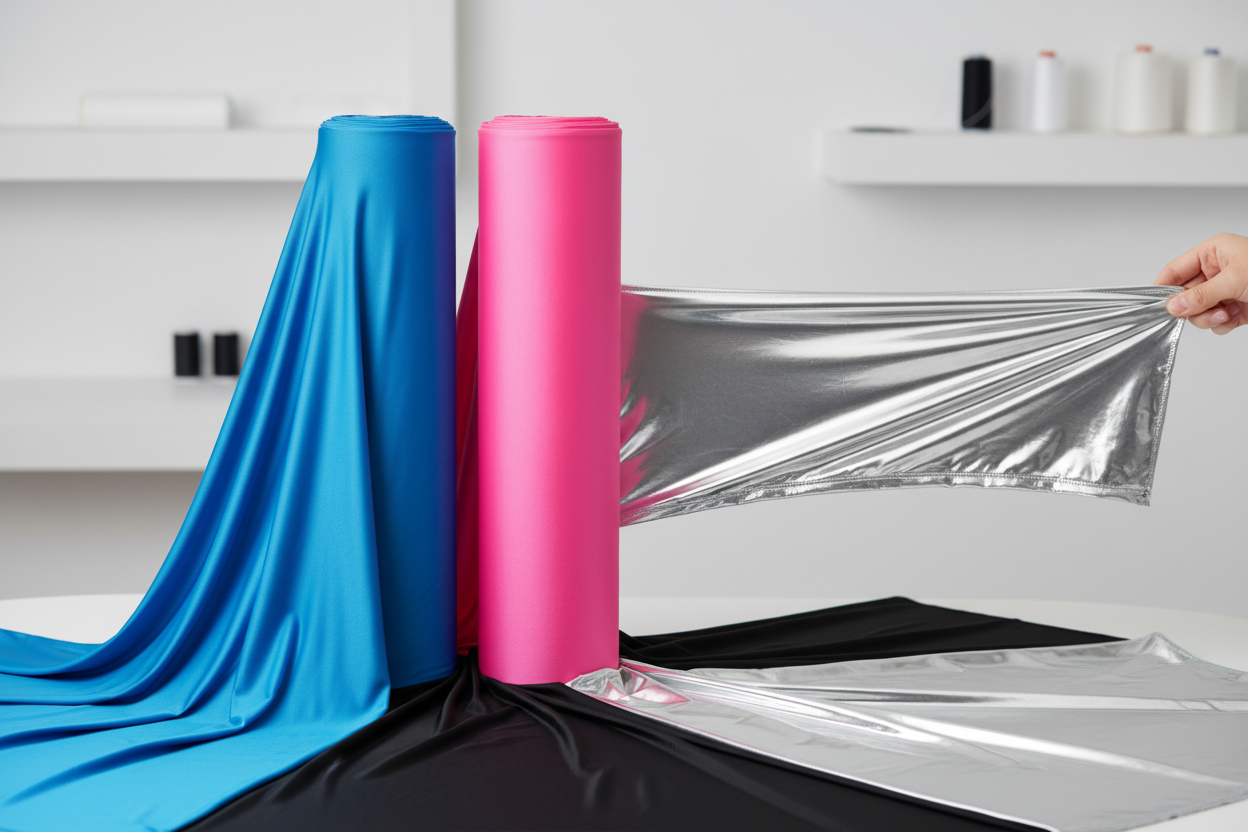
2. Vibrant Aesthetics When blended with nylon or polyester, spandex takes chemical dyes exceptionally well. This makes it the perfect base for brilliant, highly pigmented colors, as well as specialty technical finishes like radiant prism effects, hologram foils, and brilliant sequins.
3. Lightweight Durability Despite being incredibly lightweight, it is highly resistant to abrasion, body oils, and perspiration. It acts as a "second skin" that moves perfectly with the body, making it essential for dancers and athletes.
The Disadvantages (and How to Work Around Them)
While versatile, spandex requires specific handling to maintain its integrity.
1. Extreme Heat Sensitivity High temperatures are the ultimate enemy of elastane. Exposing the fabric to heat above 150°F (65°C)—such as a hot tumble dryer, an iron, or a hot water wash—will physically melt the elastic core. This causes the fabric to become brittle and permanently lose its stretch.
2. Odor Retention Synthetic blends can trap body oils and bacteria more than natural fibers. If washed improperly, activewear can hold onto a lingering smell.
3. Tricky to Sew Because of its high stretch, standard sewing machine needles can pierce and break the elastic threads, leading to skipped stitches or popped seams. You must use specialized tools, like a ballpoint needle and zigzag stitches, to ensure the seams stretch with the garment.
Spandex Care Instructions: How to Make It Last
To protect the polyether-polyurea copolymer structure and ensure your garments maintain their fit for years, follow these strict care guidelines:
-
Recommended Washing Temperatures: Always wash in warm or cold water. Never use hot water.
-
Detergent: Use a mild, sports-specific detergent.
-
The Golden Rule: Never use chlorine bleach or liquid fabric softeners. Bleach will disintegrate the fibers, and fabric softeners leave a waxy coating that traps odors and degrades the fabric's elasticity.
-
Drying: Always air dry flat or hang to dry. Never put spandex garments in a hot dryer.