Whether you are designing everyday apparel, sourcing materials for a high-performance activewear line, or simply trying to understand what is in your wardrobe, choosing the right textile starts with fiber composition. The foundational divide in textile manufacturing is between natural fabrics and synthetic fabrics.
While natural fabrics are celebrated for their comfort and breathability, synthetic fabrics are engineered for extreme durability, moisture management, and high-stretch performance. Understanding how these materials differ in structure, functionality, and application is essential for making the right choice for your project.
What Are Natural Fabrics?
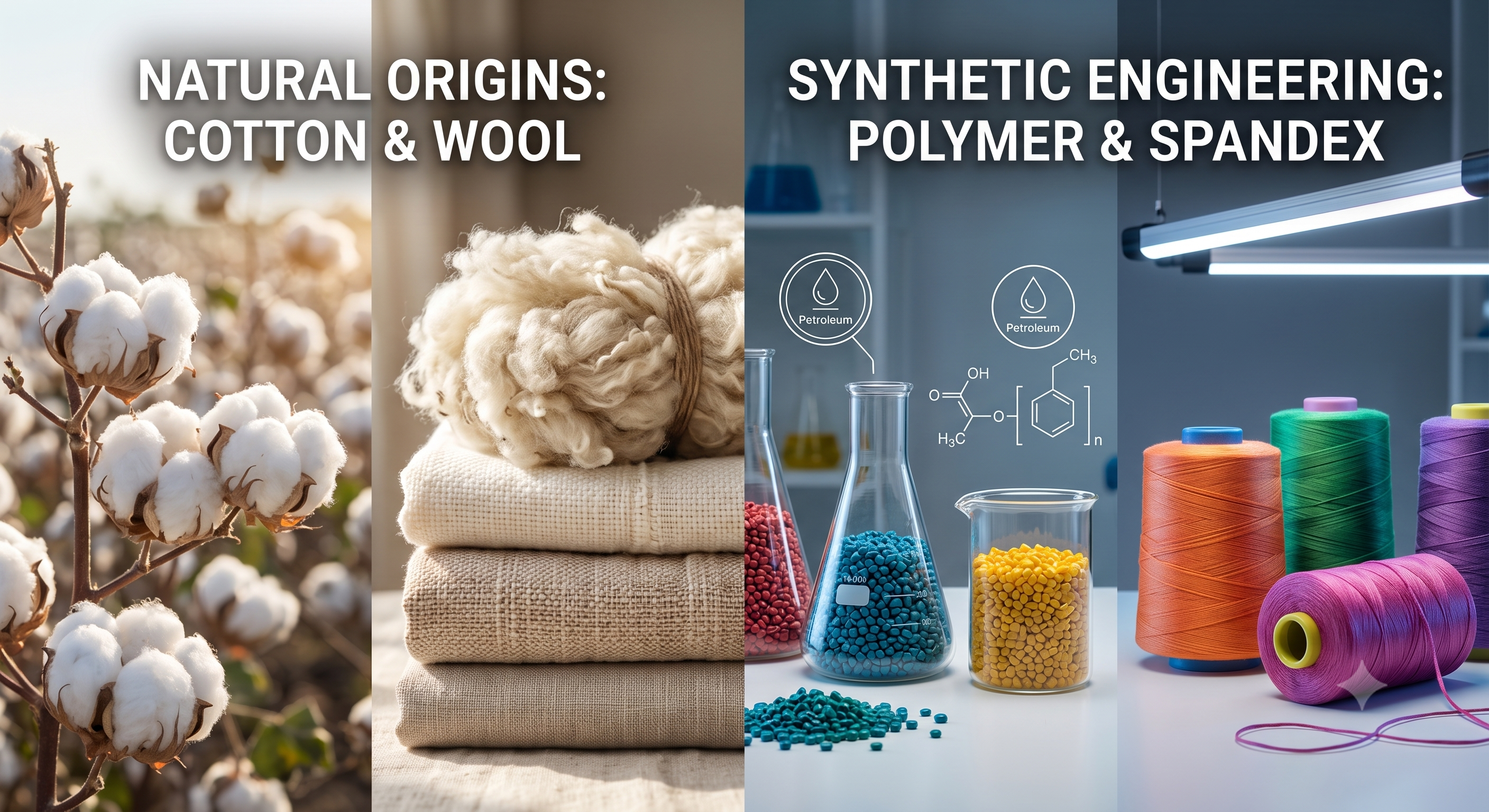
Natural fabrics are textiles woven or knitted from fibers found in nature, sourced either from plants (cellulose fibers) or animals (protein fibers). Because they come from natural origins, these fibers generally have porous structures that allow air and moisture to pass through easily.
Common Examples of Natural Fabrics:
Key Characteristics of Natural Fabrics:
-
High Breathability: Natural fibers allow air to circulate freely around the body, making them exceptionally comfortable in warm weather.
-
Soft Hand-Feel: Fabrics like cotton and silk offer a smooth, gentle touch against the skin.
-
Moisture Absorption: They absorb sweat easily, though they can become heavy and slow to dry when fully saturated.
-
Limited Elasticity: Without mechanical alterations or blended additives, most pure natural fibers have very little stretch or snap-back recovery.
What Are Synthetic Fabrics?
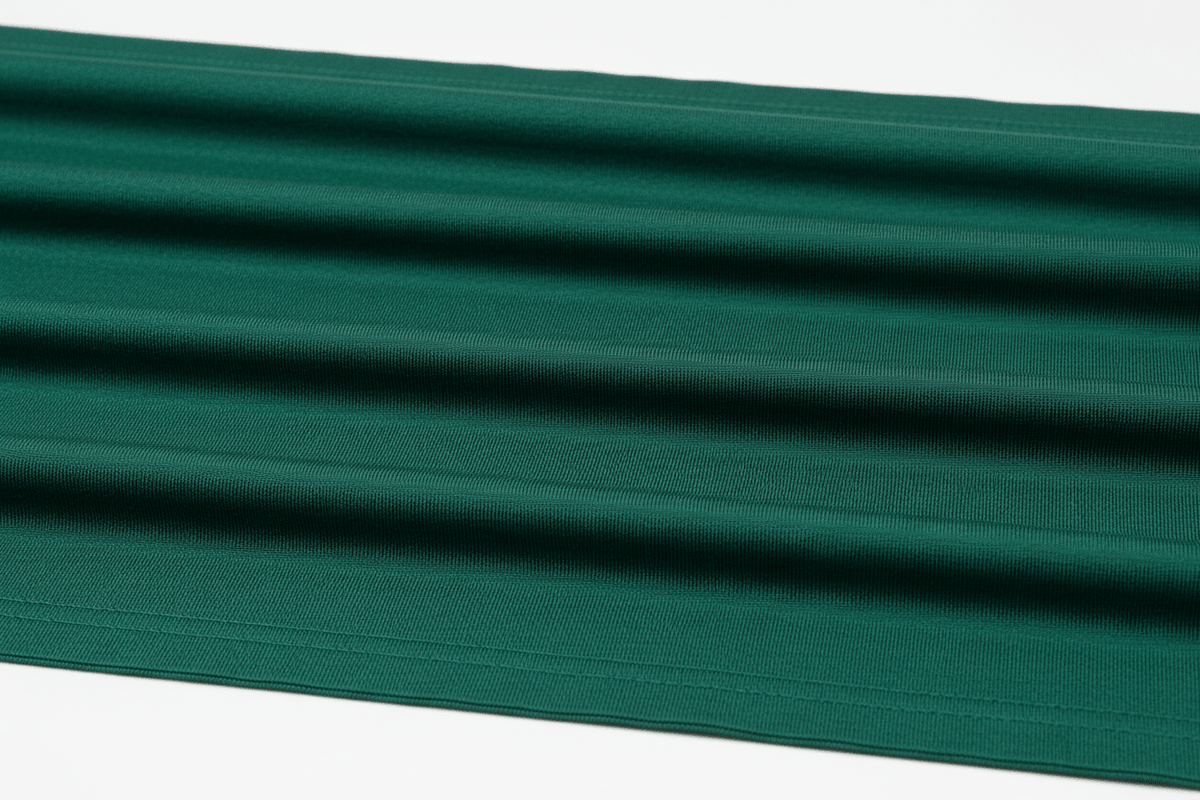
Synthetic fabrics are man-made textiles created through chemical processes, typically derived from petroleum-based polymers. These fibers are extruded as filaments and woven or knitted into performance fabrics engineered to overcome the limitations of natural materials.
Common Examples of Synthetic Fabrics:
-
Polyester: Known for durability, color retention, and compatibility with sublimation printing.
-
Nylon: Highly resilient, soft, and exceptionally strong with built-in moisture-wicking properties.
-
Spandex / Elastane (Lycra): Engineered specifically for high elasticity and structural recovery.
-
Acrylic: A lightweight, insulating synthetic often used as an alternative to wool.
Key Characteristics of Synthetic Fabrics:
-
4-Way Stretch & Recovery: When blended with Spandex, synthetic knits can stretch horizontally and vertically while instantly snapping back to their original shape.
-
Moisture-Wicking & Quick-Drying: Rather than absorbing moisture into the fiber itself, synthetics pull sweat to the surface of the fabric where it evaporates quickly.
-
High Durability: Synthetic yarns resist tearing, abrasion, pilling, and shrinkage far better than delicate natural fibers.
-
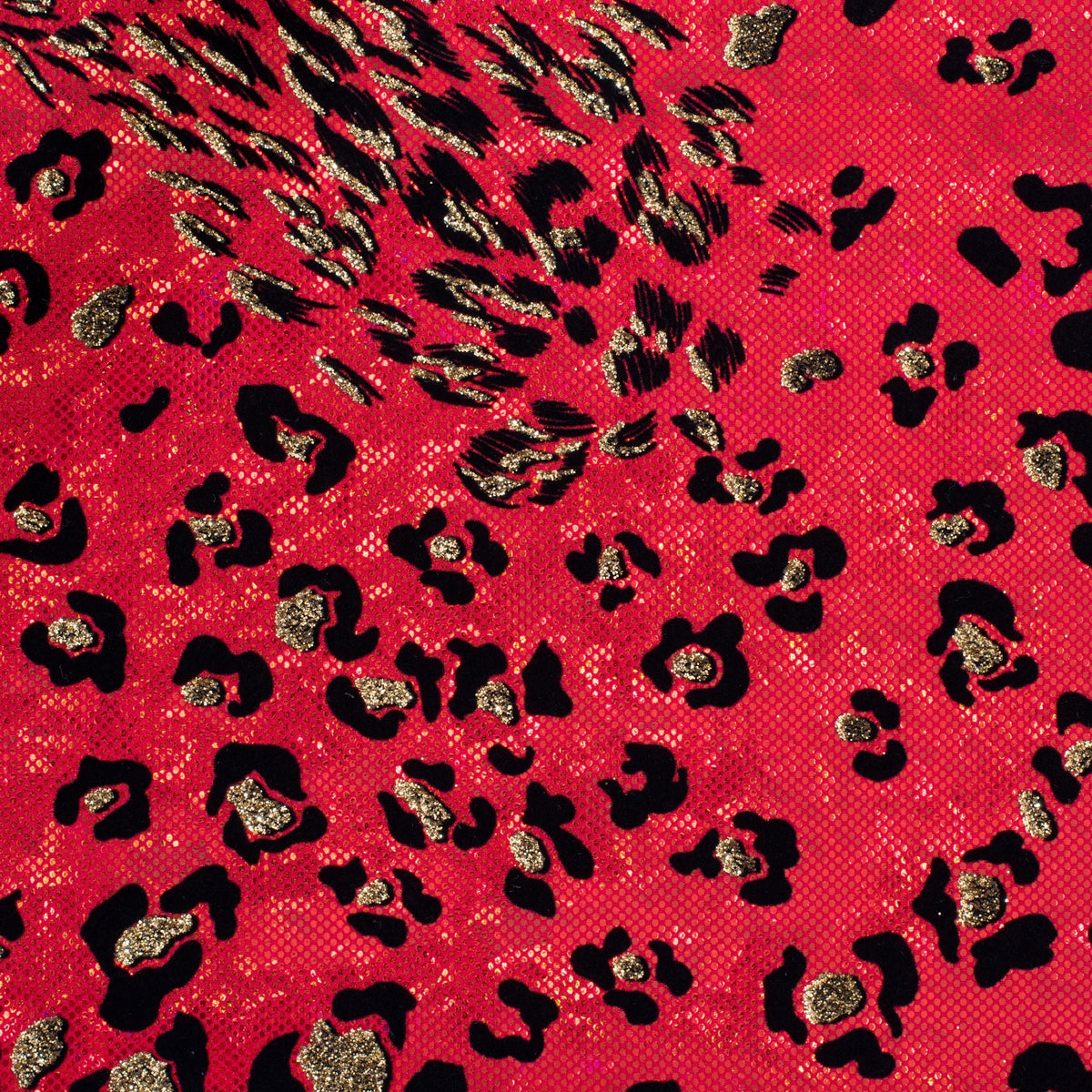
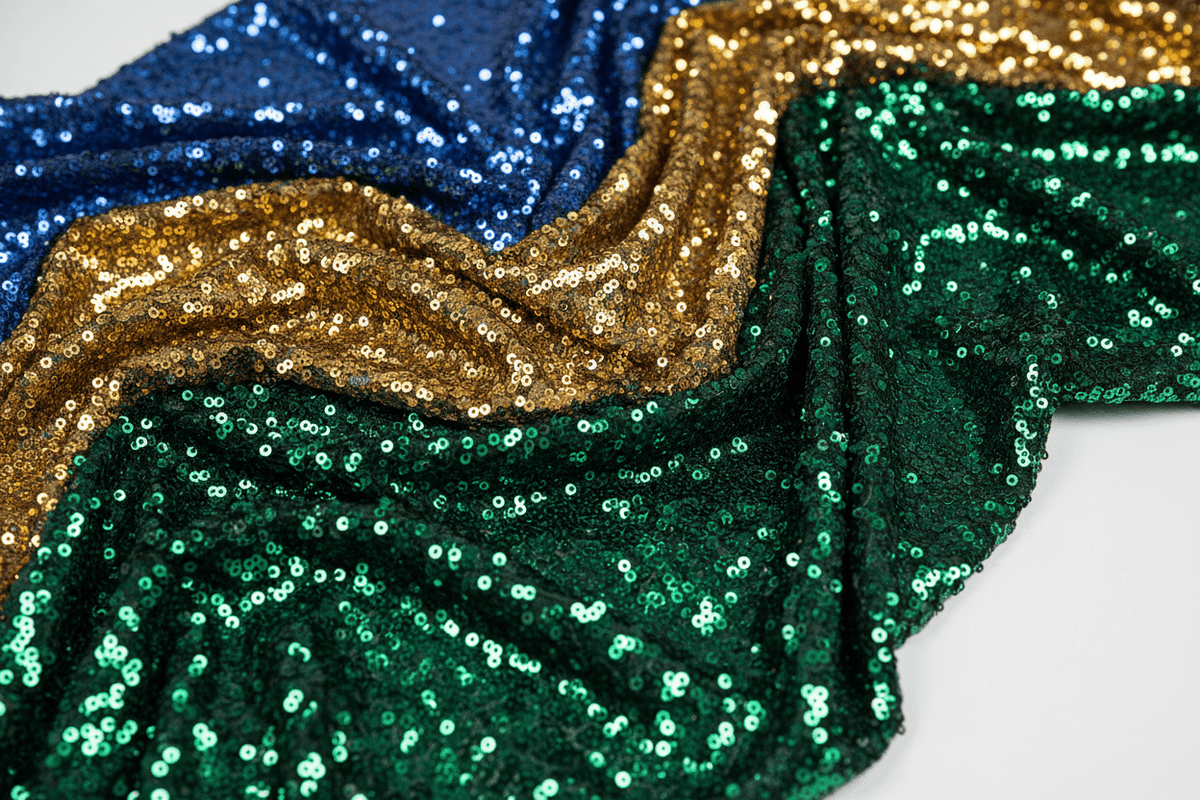
Vibrant Color & Print Retention: Synthetics hold dye under extreme conditions and are the industry standard for custom digital printing.
Quick Comparison: Natural vs. Synthetic Fabrics
Use this reference table to compare how natural and synthetic textiles perform across key garment manufacturing metrics:
| Feature | Natural Fabrics (e.g., Cotton, Silk) | Synthetic Fabrics (e.g., Nylon, Polyester Spandex) |
| Origin | Plants and animals | Man-made polymers |
| Breathability | High; allows air circulation | Varies; engineered knits can offer high ventilation |
| Moisture Handling | Absorbs moisture; slower to dry | Wicks moisture; quick-drying |
| Stretch & Recovery | Low to moderate (unless blended) | High (especially 4-way stretch Spandex blends) |
| Durability | Moderate; can shrink or wear over time | High; resistant to abrasion, tearing, and shrinking |
| Best Used For | Casual wear, loungewear, summer basics | Swimwear, activewear, dancewear, cosplay, costumes |
Which Fabric Should You Choose?
The debate between natural and synthetic fabrics is not about which category is universally "better"—it is about matching the textile's engineering to the purpose of your garment.
When to Choose Natural Fabrics
Opt for 100% natural fibers when designing everyday casual apparel, summer dresses, or loungewear. If your primary goal is lightweight, breathable comfort for low-impact daily use, plant and animal fibers are an excellent choice.
When to Choose Synthetic Fabrics
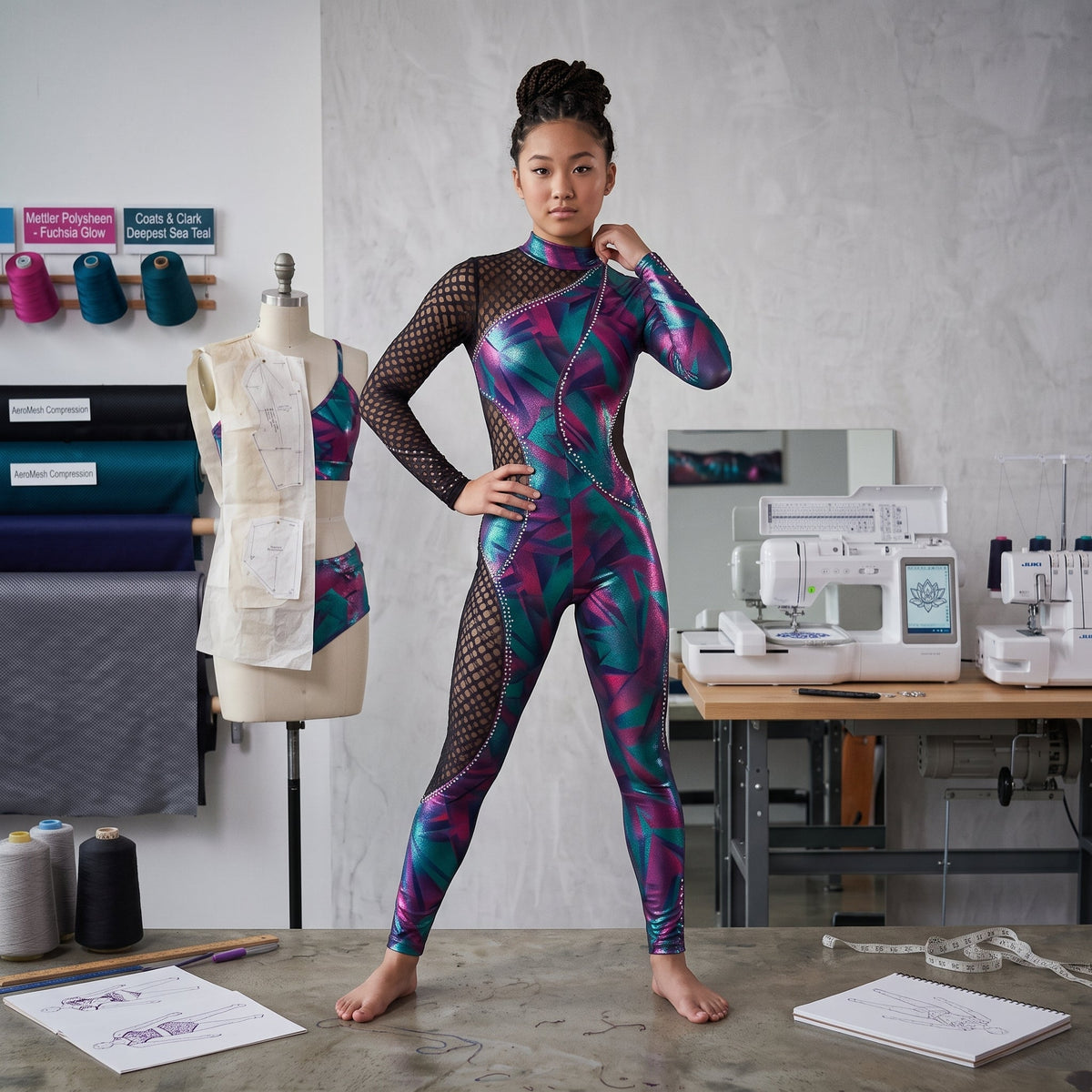
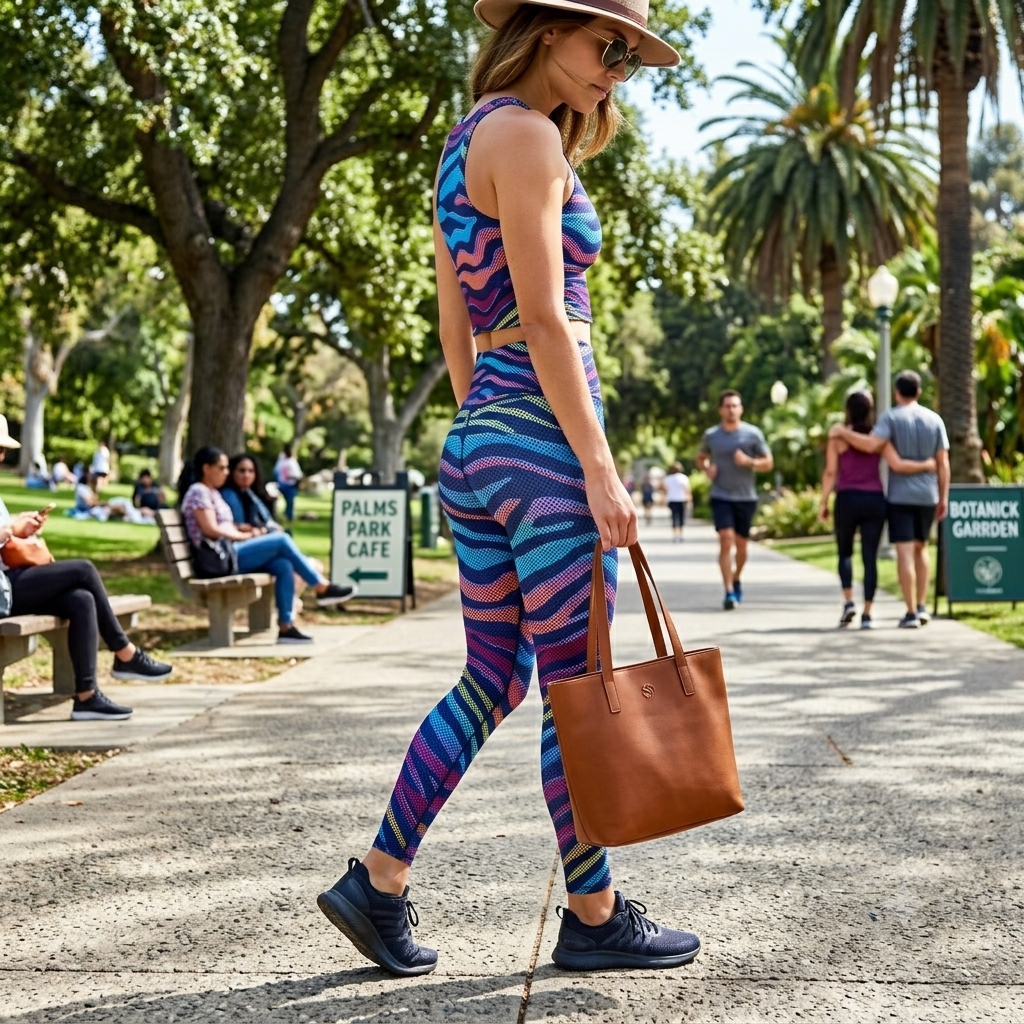
Choose synthetic blends when your project demands movement, compression, opacity, and durability. For garments like swimwear, leggings, dance costumes, athletic gear, and structured cosplay builds, natural fibers simply cannot compete. High-performance synthetic blends (such as 80% Nylon / 20% Spandex) provide the high-GSM opacity, squat-proof resilience, and 4-way stretch recovery required for professional apparel.
Explore our complete collection of premium stretch fabrics today at Spandex Palace.